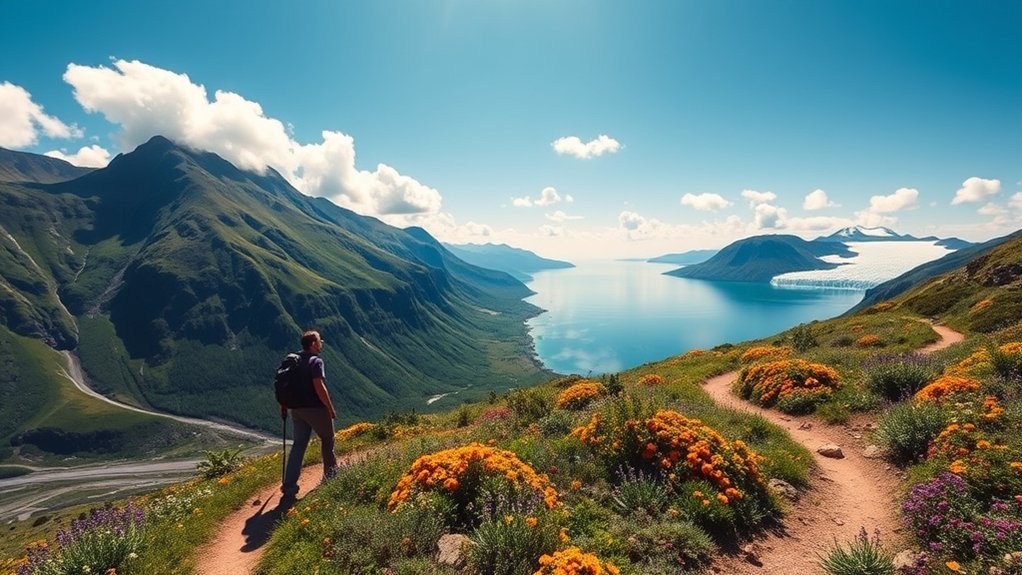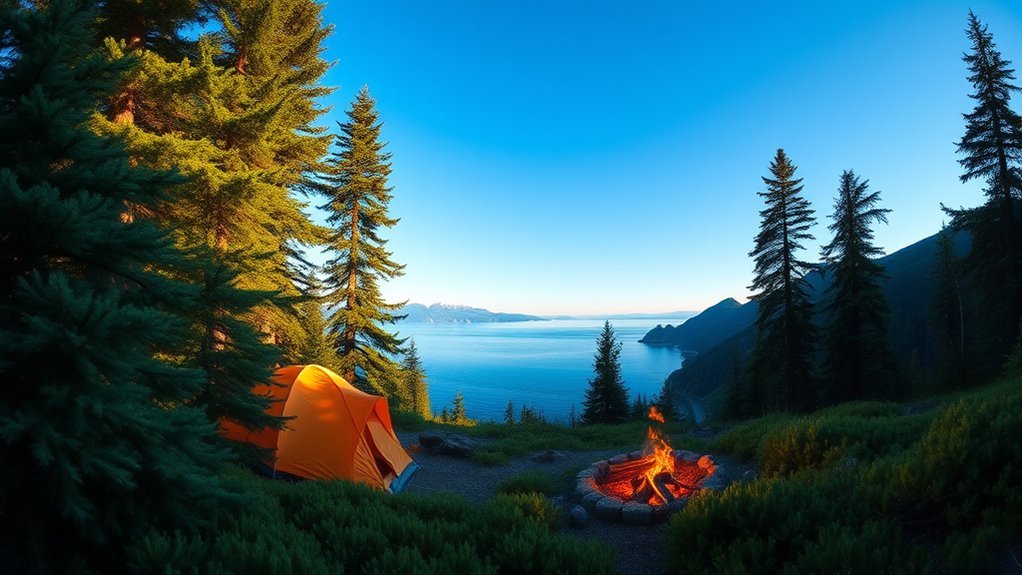
Camping in Kachemak Bay State Park puts you among coastal forests, mountains, glaciers, beaches, lakes, and wildlife, but this is not a typical drive-in camping trip. The park has no road access, so most visitors arrive from the Homer area by water taxi, private boat, or aircraft. Good planning for weather, tides, bears, drinking water, and transportation is essential before you spend a night in this remote part of Alaska.
Quick Answer
You can camp at designated sites and in much of the backcountry of Kachemak Bay State Park. Alaska State Parks lists 21 campsites for the park/wilderness unit, generally first-come, first-served. Bring rain-ready gear, bear-safe food storage, water treatment, navigation tools, and a solid transportation plan because there is no road access.
Key Takeaways
- Kachemak Bay State Park has no road access; most campers reach it by water taxi, private boat, or aircraft from the Homer area.
- Alaska State Parks lists 21 campsites for Kachemak Bay State Park/State Wilderness Park, and they are listed as non-reservable, first-come sites.
- Ordinary backcountry camping does not generally require a camping permit, although cabins, large groups, commercial operations, and special activities have separate requirements.
- Campfires are not universally prohibited, but where and how you may have one is regulated, and temporary fire restrictions can override normal rules.
- Plan for bears, cold water, large tides, changing weather, limited services, and route-specific water availability.
Overview of Kachemak Bay State Park
Kachemak Bay State Park lies across the bay from Homer on Alaska’s Kenai Peninsula. Together with the adjoining Kachemak Bay State Wilderness Park, the area protects an extensive landscape of coastal mountains, glaciers, forests, lagoons, beaches, lakes, rivers, and marine waters.
Visitors come for hiking, camping, kayaking, boating, fishing, wildlife viewing, and backcountry travel. Popular destinations include Grewingk Glacier Lake, Halibut Cove Lagoon, China Poot Lake, Poot Peak, Grace Ridge, and the park’s long stretches of remote shoreline.
Wildlife can include sea otters, seals, porpoises, whales, bald eagles, puffins, moose, black bears, mountain goats, coyotes, and wolves. Sightings are never guaranteed, and wildlife should always be viewed from a respectful distance.
Kachemak Bay State Park is a remote coastal park where transportation, tides, weather, wildlife, and backcountry preparation are part of the camping experience—not details to figure out after you arrive.
How to Get to Kachemak Bay State Park
There are no roads into Kachemak Bay State Park. Most campers begin in Homer and arrange a commercial water taxi, travel in a suitable private boat, or use an authorized air service where aircraft access is permitted.
If you use a water taxi, confirm your exact drop-off and pickup location, how much gear the operator accepts, and what happens if weather or sea conditions delay your return. A pickup time should never be treated as a guarantee in exposed coastal conditions.
Private boaters need to plan around weather, tides, currents, landing areas, and their own experience. Kachemak Bay can become rough, and narrow lagoon entrances may develop strong currents. Alaska State Parks specifically advises caution around Halibut Cove Lagoon, where access can be hazardous at lower stages of the tide.
Warning: If your trip involves a boat or water taxi, check the marine forecast and tides before departure. Wear a properly fitted life jacket while boating, carry extra warm layers and food, and be prepared for a delayed pickup. Kachemak Bay’s water is cold enough that an unexpected immersion can quickly become an emergency.
Designated Campsites and Camping Areas
Rather than five conventional drive-in campgrounds, Kachemak Bay has a network of remote campsites and camping areas. The Alaska State Parks campground table lists 21 campsites for Kachemak Bay State Park/State Wilderness Park.
These campsites are listed as first-come, first-served and non-reservable. Facilities vary by location. The official park brochure notes that several camping sites provide amenities such as fire rings, picnic tables, tent platforms, toilets, and bear-resistant food caches.
Do not assume every site has every amenity. Some areas are much more primitive than others, so check the official park map and current trail information before choosing your destination.
Public-use cabins are a separate option. Kachemak Bay State Park has cabins in areas such as Halibut Cove Lagoon, China Poot Lake, Moose Valley, and Tutka Bay. Cabins require reservations and have their own occupancy, access, fee, and stay rules. For related tips and details, explore our Matanuska Glacier Guide.
Pro Tip: Tent campsites may be first-come, but transportation is not. During busy summer periods, arrange your water taxi or other transportation early and keep a backup plan in case weather changes your pickup or drop-off.
Backcountry Camping: What You Need to Know
Camping is allowed in much of Kachemak Bay State Park, but backcountry camping requires more self-sufficiency than using a developed site. Alaska State Parks’ general backcountry guidance allows camping in designated backcountry areas or, where applicable, at least one-half mile from developed facilities.
A general overnight backcountry camping permit is not normally required for an individual or ordinary small group. However, permits or authorizations can be required for activities such as large assemblies, commercial operations, certain aircraft uses, research, or other special activities. Public-use cabins also require their own reservation authorization.
Essential Gear Checklist
Start with shelter and sleep equipment that can handle a cool, wet, and windy coastal environment. A light summer setup that works in a dry inland campground may be inadequate here.
- Weather-resistant tent: Bring a tent with dependable stakes, guylines, and a rainfly suited to wind and sustained rain.
- Warm sleeping system: Use a sleeping bag and insulated sleeping pad suitable for the temperatures expected on your trip.
- Waterproof layers: Carry a waterproof shell and pants plus moisture-wicking and insulating layers.
- Stove and fuel: A backpacking stove provides a reliable cooking option when fires are inappropriate, prohibited, or impractical.
- Water treatment: Carry enough capacity plus a dependable method to treat natural water.
- Food storage: Use park-provided bear-resistant caches where available or a suitable bear-resistant storage system.
- Navigation: Carry an appropriate map and compass even if you also use a phone or GPS device.
- Emergency equipment: Pack a first-aid kit, headlamp, repair supplies, fire-starting backup, emergency insulation, and a communication device appropriate for remote travel.
- Bear deterrent: If you carry bear spray, keep it immediately accessible and learn how to use it before the trip.
- Footwear: Waterproof hiking footwear and spare dry socks are valuable on muddy trails, wet vegetation, beaches, and stream crossings.
Navigation and Safety Tips
Do not rely solely on mobile service. Download maps and trip information before leaving Homer, carry a physical navigation backup, and know the trailheads and shoreline locations associated with your route.
- Leave a trip plan: Tell someone where you are going, your planned campsites or route, your transportation provider, and when you expect to return.
- Check current trail conditions: Flooding, brush, stream levels, storm damage, and other conditions can change the difficulty of a trail.
- Know your water sources: A source marked on a map may be seasonal. Some ridges and higher routes can have long dry stretches.
- Plan for delays: Bring enough food and warm clothing to handle an unexpected extra night.
- Respect private land: Some routes and shoreline areas are near private property. Follow posted boundaries and official trail information.
Essential Gear for Camping in Kachemak Bay
Beyond a normal backpacking checklist, Kachemak Bay rewards gear chosen specifically for coastal Alaska. A sturdy shelter, waterproof clothing, warm layers, reliable cooking equipment, and protected food storage should be treated as core equipment rather than optional extras.
A quality backpack should keep critical equipment protected from rain. Pack important clothing, your sleeping bag, electronics, and emergency equipment in waterproof stuff sacks or liners even if the backpack itself is advertised as water-resistant.
If you travel by kayak or other small craft, boating equipment becomes part of your camping kit. Wear a life jacket, secure your gear against immersion, and carry equipment appropriate to cold-water travel and your skill level.
Bring a headlamp even during Alaska’s long summer daylight. Dense forest, poor weather, emergencies, late-season travel, and dark cabins can still make reliable lighting useful.
Note: Keep essential safety items on your body or immediately accessible. Bear spray buried inside a backpack and rain gear packed under everything else may be useless when you suddenly need them.
Water, Food Storage, and Camp Hygiene
Streams and lakes provide water in many parts of Kachemak Bay, but availability depends on your route and the season. For example, official trail information for Grace Ridge identifies seasonal sources and sections of ridge with no water. For related tips and details, explore our Best Hikes in Matanuska Glacier.
Do not assume clear-looking water is safe to drink. The Centers for Disease Control and Prevention recommends treating water of uncertain quality. Boiling is the most reliable method for killing germs; when boiling is not practical, appropriate filtration followed by disinfection provides broader protection than basic filtration alone.
Bear-safe camping is equally important. Keep food, garbage, cooking supplies, pet food, and scented toiletries away from your sleeping area and secured from bears. Use bear-resistant food caches where the park provides them. Otherwise, carry an appropriate bear-resistant storage method for your route.
Cook away from your tent when practical, keep your campsite clean, and pack out garbage. Do not leave food scraps or scented waste behind.
Wildlife Viewing Opportunities
Kachemak Bay supports a wide range of marine and land wildlife. Depending on location and season, you may see sea otters, seals, porpoises, whales, bald eagles, puffins, moose, black bears, mountain goats, and other wildlife.
- Sea otters: Look for them in protected marine waters while boating or kayaking, but give them space and avoid changing their behavior.
- Bald eagles and other birds: Coastal forest, beaches, cliffs, and marine areas provide many opportunities for birdwatching.
- Whales and porpoises: Sightings are possible while crossing or traveling on the bay, but specific species, distance, and surface behavior cannot be guaranteed.
- Black bears: Bears live in the park. A sighting can be memorable, but preventing a close encounter is more important than getting a photograph.
Use binoculars or a zoom lens rather than approaching wildlife. If an animal changes its behavior because of your presence, you are likely too close.
Safety Tips for Backcountry Adventures
Kachemak Bay combines mountain, marine, glacier, forest, and wildlife hazards. Your safest trip starts with conservative planning rather than assuming summer conditions will remain easy.
Prepare for Weather Changes
Even in summer, expect a cool, wet, windy climate and rapid changes. Wear moisture-wicking base layers, add insulating layers as needed, and keep a waterproof shell where you can reach it quickly.
Check both the land weather forecast and, if boating, the marine forecast before departure. Weather can affect trail conditions as well as your water-taxi or small-boat travel.
- Carry real rain protection: A lightweight emergency poncho is not a substitute for dependable waterproof outerwear on a multiday trip.
- Protect dry insulation: Keep your sleeping bag and essential clothing sealed from rain and spray.
- Carry an emergency margin: Extra food, fuel, and warm clothing can make a transportation delay manageable instead of dangerous.
Wildlife Encounter Precautions
Make noise in brushy areas, around blind corners, and near running water so bears have a chance to detect you. Never approach or feed wildlife, and keep food and other attractants secured.
If a bear notices you, Alaska Department of Fish and Game guidance is to stay calm, face the bear, keep it in view, ready your deterrent, group up with companions, and talk in a calm voice. Do not run.
If the bear is stationary and gives you room, you may move away slowly while watching it. If it approaches or follows you, stop retreating and follow behavior-specific bear-safety guidance. A defensive bear, such as one surprised at close range or protecting cubs or food, requires a different response from a persistent non-defensive bear. For related tips and details, explore our Camping in Matanuska Glacier: Campgrounds & Backcountry Tips.
Carry bear spray where you can reach it immediately rather than inside your backpack. Learn how to remove its safety and deploy it before you enter bear country.
Warning: Do not rely on simplistic bear advice such as “always back away” or “avoid eye contact.” Your response depends on the bear’s behavior. Follow current Alaska Department of Fish and Game guidance, keep the bear in view, and never run from it.
Water and Shoreline Safety
Kachemak Bay’s tides and currents can change shoreline access significantly. A beach that looks easy to land on or walk across at one tide may be very different several hours later.
Secure boats above the changing waterline or according to safe local practice, know the tide cycle for your landing area, and avoid putting yourself in a position where an incoming tide cuts off your return route.
If you are traveling by kayak or small craft, wear a properly fitted life jacket and stay within the limits of your training, boat, and conditions.
Trails, Glaciers, and Stream Crossings
Some Kachemak Bay trails include wet ground, seasonal flooding, brush, steep climbing, or glacial-stream crossings. Water levels can change with rain and melt conditions, so a crossing that was manageable earlier may become unsafe later.
Grewingk Glacier is one of the park’s major attractions, but glacier ice, ice caves, unstable slopes, and adjacent terrain require caution. Alaska State Parks warns visitors not to climb on glacier ice or enter ice caves unless properly trained and equipped for glacier travel.
Grewingk Glacier Lake also has a documented tsunami hazard associated with potential landslides. Review Alaska State Parks’ current Grewingk hazard information before visiting shoreline areas around the lake.
Best Times to Visit Kachemak Bay State Park
For most campers, June through August offers the easiest combination of long daylight, active transportation services, hiking access, and relatively mild temperatures. However, “summer” does not mean reliably warm or dry. Rain, wind, cold nights, rough water, and rapid weather changes remain possible.
Late spring and early fall can offer quieter conditions, but shorter daylight, colder weather, reduced services, and more complicated transportation may require additional planning.
- Plan your transportation first: Confirm water taxi, boat, or aircraft arrangements before building the rest of your itinerary.
- Check conditions shortly before departure: Review Alaska State Parks’ current trail and park reports plus the marine forecast when applicable.
- Do not try to reserve ordinary tent campsites: Alaska State Parks lists Kachemak Bay’s campsites as first-come, first-served. Public-use cabins are different and require advance reservations.
Frequently Asked Questions
Are campfires allowed in Kachemak Bay State Park?
Yes, but they are regulated. Kachemak Bay State Park regulations allow open fires on non-vegetated gravel bars below timberline or on saltwater beaches. Fires may also be used in park-provided fire structures where available. Temporary fire restrictions can override normal rules, so check current Alaska State Parks restrictions before your trip and use a camp stove when conditions or location make a fire inappropriate.
What permits are required for camping in the park?
Ordinary individual or small-group backcountry camping does not generally require a camping permit. Different requirements apply to public-use cabins, large assemblies, commercial operations, certain aircraft activity, research, and other special uses. Check Alaska State Parks' current regulations if your trip involves anything beyond ordinary recreational camping.
How do I access water sources while camping?
Streams and lakes are available on many routes, but some sources are seasonal and certain ridge sections have little or no water. Check your route before leaving and carry backup capacity. Treat natural water before drinking or cooking with it. CDC guidance says boiling is the most reliable way to kill germs; where boiling is not practical, appropriate filtration followed by disinfection offers broader protection.
Are pets allowed in campgrounds and backcountry areas?
Yes. Alaska State Parks requires dogs and other pets to be leashed and under control in developed facilities. The leash may not exceed nine feet. In the backcountry, dogs may generally be off leash but must remain under voice control. Clean up after your pet and remember that pet food can attract bears.
What should I do if I encounter a bear?
Stay calm, do not run, keep the bear in view, ready your deterrent, group up if you are with other people, and talk calmly so the bear recognizes you as human. If it gives you space, move away slowly. If it approaches or follows, stop retreating and respond according to whether its behavior appears defensive or non-defensive. Follow current Alaska Department of Fish and Game bear-safety guidance before entering the backcountry.
Can I reserve a tent campsite in Kachemak Bay State Park?
Alaska State Parks currently lists Kachemak Bay State Park/State Wilderness Park campsites as first-come, first-served and not reservable. Public-use cabins are different and require reservations. Always check the official campground and facility pages in case procedures change.
Can I drive into Kachemak Bay State Park?
No. There is no road access into the main park. Visitors typically reach camping areas and trailheads from Homer by commercial water taxi, private boat, or aircraft where permitted. Arrange both your arrival and return transportation before leaving town.
Quick Overview
| Topic | Summary |
|---|---|
| Subject | Camping in Kachemak Bay State Park |
| Focus | Camping In Kachemak Bay State Park |
| Best For | Readers looking for clear, practical details and quick answers. |
Related Guides
- Alaska Travel Guide: Top Attractions, Itineraries & Tips
- Best Places To Visit In Alaska
- 15 Best Things to Do in Alaska, Alaska
Conclusion
Camping in Kachemak Bay State Park can range from staying at a designated campsite with basic facilities to traveling deep into a remote backcountry route. Either way, preparation matters. Arrange your transportation, check current conditions, understand the campfire and camping rules, secure food from bears, treat natural water, and carry gear for cold, wet, changing weather. With those basics covered, you can spend more time enjoying the mountains, glaciers, forests, beaches, and wildlife that make Kachemak Bay such a distinctive Alaska camping destination.
Sources
- Alaska State Parks — Kachemak Bay State Park — official park overview, activities, facilities, and wildlife information.
- Alaska State Parks — Kachemak Bay State Park & State Wilderness Park Brochure — camping facilities, trail information, boating safety, and park map.
- Alaska State Parks — Campground Information — campsite count and first-come, first-served reservation status.
- Alaska State Parks — Frequently Asked Questions — backcountry camping, permits, campfires, and general park rules.
- Alaska Department of Fish and Game — Traveling in Bear Country — bear avoidance, encounters, attractant storage, and deterrent guidance.
- Centers for Disease Control and Prevention — Backcountry Water Treatment — safe treatment of water from streams, lakes, and other uncertain sources.