From Sedona, you can trade red-rock trails for mining history, high-country pines, ancient pueblos, Arizona wine country, or one of the biggest canyon views on Earth. Some escapes take less than an hour to reach, while Page and the Grand Canyon demand a full day. The best choice depends on how much driving you want and whether you prefer history, hiking, astronomy, wine, or iconic scenery.
Quick Answer
The best day trips from Sedona include Jerome for mining history and art, Montezuma Castle for an easy cultural stop, Flagstaff for mountains and astronomy, Oak Creek Canyon for nearby scenery, Tuzigoot and the Verde Valley for history and wine, and the Grand Canyon for a full-day adventure. Page is spectacular but requires the most driving.
Key Takeaways
- Jerome, Montezuma Castle, Oak Creek Canyon, and Tuzigoot are the easiest choices when you want more sightseeing and less driving.
- Flagstaff works well for forest hikes, Route 66 history, museums, and an evening at Lowell Observatory.
- Antelope Canyon requires an authorized guided tour, so reserve before driving to Page.
- Page is a long day trip, with roughly 3 to 3.5 hours of driving each way under normal conditions.
- As of August 16, 2026, Slide Rock’s swimming area is closed through September 2026 because of post-Pocket Fire water-quality and flash-flood concerns. Always check current Oak Creek conditions before leaving Sedona.
Compare the Best Day Trips From Sedona
| Destination | Approx. One-Way Drive | Best For | Planning Note |
|---|---|---|---|
| Jerome | 40–50 minutes | History, art, views | Steep streets and limited weekend parking |
| Montezuma Castle | 40–45 minutes | Archaeology, easy walking | Allow another 20 minutes to reach Montezuma Well |
| Flagstaff | 45–60 minutes | Mountains, Route 66, astronomy | Allow extra time for winter weather or SR 89A traffic |
| Page | About 3–3.5 hours | Antelope Canyon, Horseshoe Bend | Reserve Antelope Canyon and expect a very long day |
| Oak Creek Canyon | 10–30 minutes | Scenic driving, picnics, creek scenery | Check wildfire, flood, recreation-site, and swimming closures |
| Tuzigoot / Verde Valley | 45–55 minutes | Pueblo history, wine | Use a designated driver if tasting wine |
| Grand Canyon South Rim | About 2–2.5 hours | Iconic viewpoints | Start early and learn the shuttle system before arrival |
Drive times are approximate and can change with your starting point in Sedona, traffic, weather, construction, wildfire restrictions, and seasonal road conditions.
How to Choose the Right Sedona Day Trip
- For the shortest history-focused outing: choose Montezuma Castle or Tuzigoot.
- For art, mining history, and a walkable town: choose Jerome.
- For forests, mountain air, and astronomy: choose Flagstaff.
- For a nearby scenic drive: choose Oak Creek Canyon.
- For archaeology plus wine tasting: combine Tuzigoot with Cottonwood or another Verde Valley Wine Trail stop.
- For the biggest single landscape: spend the day at the Grand Canyon South Rim.
- For Antelope Canyon and Horseshoe Bend: choose Page only if you are comfortable with a long driving day or plan to stay overnight.
Pro Tip: For national parks, national monuments, tribal parks, and forest recreation sites, check the official conditions page the night before your trip and again before leaving Sedona. Fire, flooding, snow, roadwork, and seasonal access rules can change quickly.
Jerome: Historic Mining Town and Art Galleries
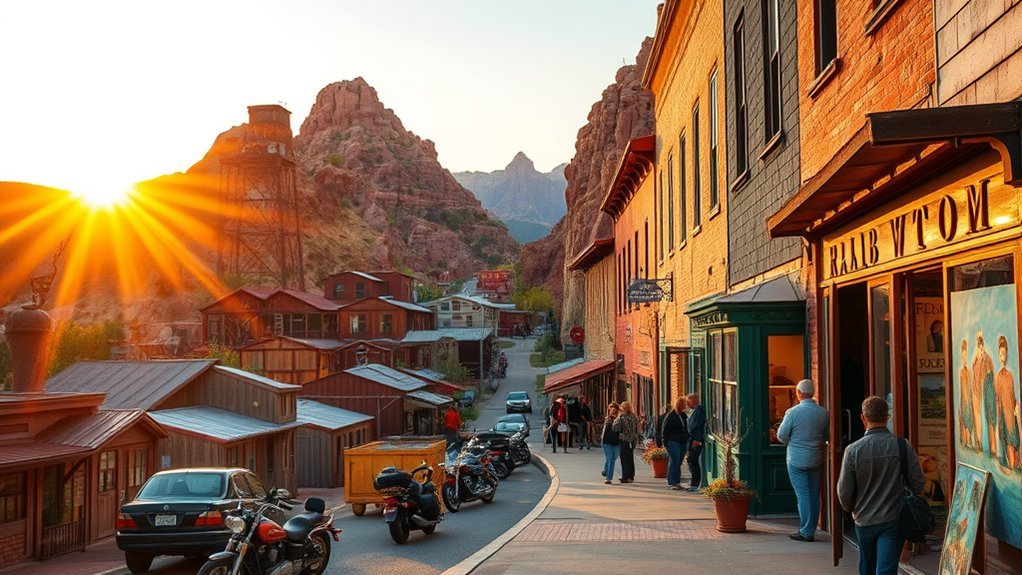
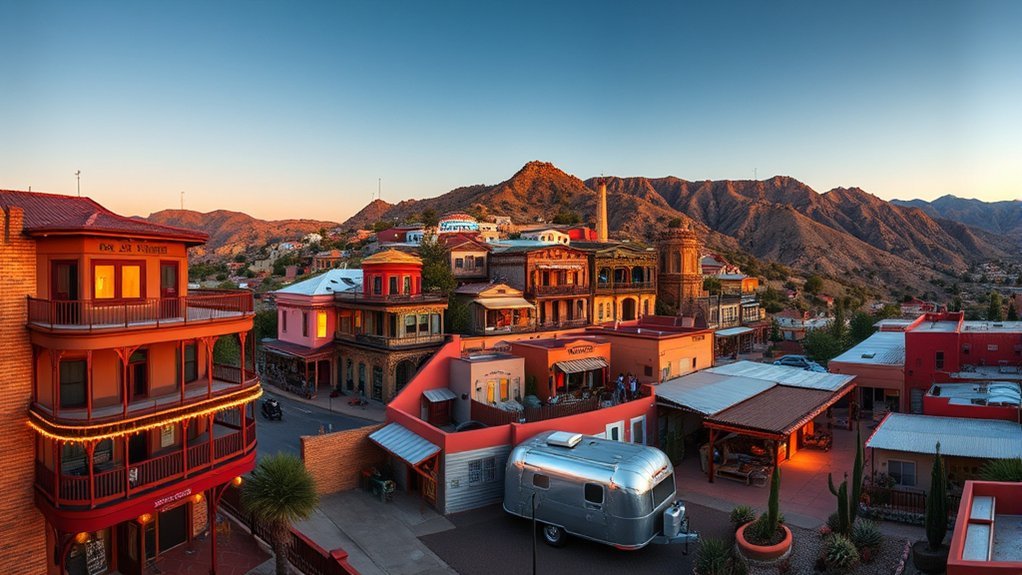
Perched on Cleopatra Hill above the Verde Valley, Jerome combines copper-mining history with galleries, independent shops, restaurants, and steep streets that make the town feel unlike anywhere else near Sedona. The drive is short enough for a relaxed half-day, although weekend traffic and parking can slow you down.
Start with the historic center, then visit Jerome State Historic Park if you want deeper context. Its Douglas Mansion museum covers the Jerome area, mining history, the Douglas family, historic photographs, artifacts, minerals, and mining equipment.
Back in town, narrow streets lead past former commercial buildings, galleries, studios, boutiques, cafes, and viewpoints over the Verde Valley. The slopes are part of Jerome’s character, but they also make comfortable walking shoes important.
If photography is your priority, late-afternoon light can be beautiful across the valley. If easier parking matters more, arrive early or visit on a weekday.
Note: Jerome’s historic core is steep. Visitors with limited mobility may find individual museums and viewpoints easier than trying to walk the entire town.
Montezuma Castle and Montezuma Well: Ancient Cliff Dwellings
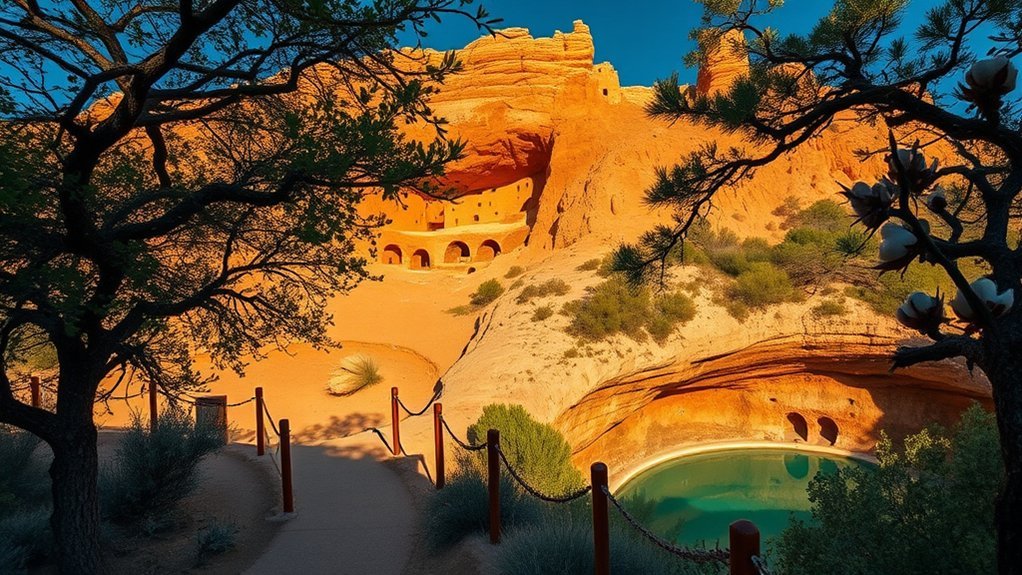
Montezuma Castle and Montezuma Well offer two different views of life in the Verde Valley before European settlement. At Montezuma Castle, you look up at a multi-story masonry dwelling tucked into a limestone cliff. At Montezuma Well, a spring-fed limestone sinkhole connects geology, wildlife, agriculture, and centuries of human use.
The two locations are separate units of Montezuma Castle National Monument, with roughly a 20-minute drive between them. Visiting both makes a fuller half-day trip than seeing the Castle alone.
Montezuma Castle History
The impressive structure traditionally called Montezuma Castle contains about 20 rooms and was occupied by families rather than royalty. Archaeologists use the term Southern Sinagua for much of the prehistoric culture associated with these Verde Valley pueblos and cliff dwellings, although the National Park Service notes that we do not know how the people identified themselves.
Permanent dwellings began appearing in the region around the 11th century. People built with stone, wood, and mud mortar, farmed in the valley, traded with communities across the Southwest, and used ladders to reach elevated rooms. By around 1400 CE, communities were migrating elsewhere rather than simply disappearing. For related tips and details, explore our Sedona With Kids: Family-Friendly Things to Do & Tips.
Modern tribal connections are an important part of the story. Hopi, Yavapai-Apache, Zuni, Western Apache, and other affiliated communities maintain historical, cultural, or ancestral relationships with the Verde Valley.
| Feature | Note |
|---|---|
| Cultural term | Southern Sinagua is an archaeological label |
| Major dwelling period | Roughly 1050–1400 CE |
| Structure | Multi-room, multi-story cliff dwelling |
| Setting | Limestone cliff above Beaver Creek |
| Access | Viewing trail only; visitors do not climb into the dwelling |
Montezuma Well Ecology
Montezuma Well tells a different story. The limestone sinkhole is continuously supplied by groundwater, creating an unusually stable aquatic environment in an otherwise dry landscape. Its water chemistry includes very high dissolved carbon dioxide, conditions that prevent fish from living in the Well but support an unusual collection of invertebrates and other organisms.
The National Park Service documents species found nowhere else, including the Montezuma Well springsnail and other specialized organisms. Pondweed, algae, invertebrates, turtles, birds, cottonwoods, and willows make the area feel unexpectedly lush compared with the surrounding desert.
The human story is just as important. Ancient farmers channeled water flowing from the Well into an irrigation canal system. Cliff dwellings, a pithouse, canal remains, and later ranching history show how dependable water shaped life here for generations.
Visiting Tips and Logistics
Arrive early during hot weather, carry water, use sun protection, and stay on marked trails. Montezuma Castle’s roughly 0.3-mile paved loop is wheelchair- and stroller-accessible with little elevation change. Montezuma Well is more demanding because parts of its trail system include steep grades, stairs, and uneven terrain.
At Montezuma Castle, the National Park Service currently charges an entrance fee for visitors age 16 and older, while Montezuma Well itself has no entrance fee. Check the official NPS page before traveling because fees and operating hours can change.
Pets are allowed on designated trails at the monument when leashed according to NPS rules, but they cannot enter visitor-center buildings unless they are qualified service animals.
Warning: Archaeological walls, artifacts, and natural features are protected. Do not climb structures, touch masonry, remove objects, leave marked routes, or enter closed areas.
Flagstaff: Mountains, Lowell Observatory, and Route 66
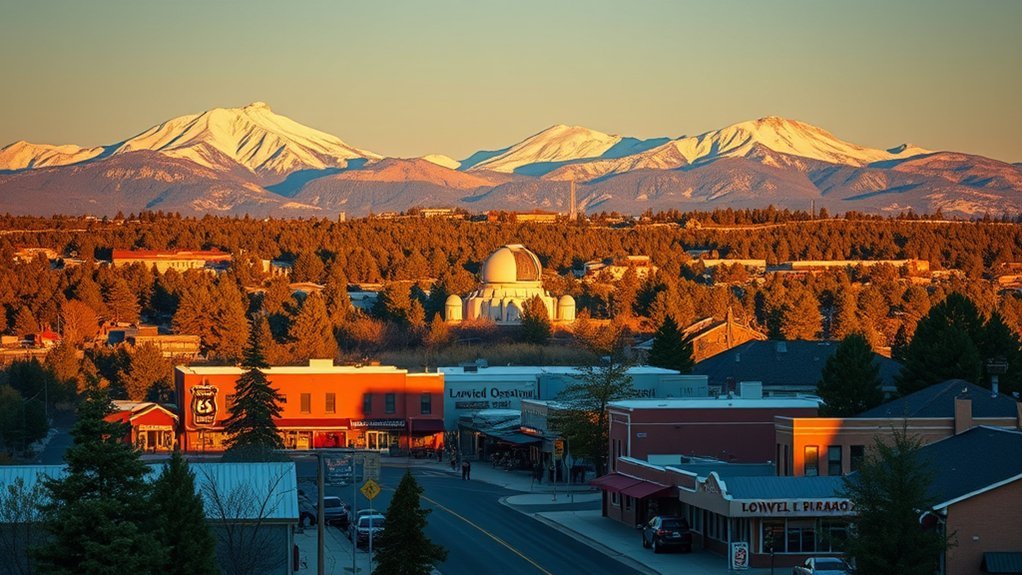
Head north from Sedona through Oak Creek Canyon or use the interstate route when conditions make SR 89A less convenient. Flagstaff replaces red rock with ponderosa pine forests, mountain scenery, Route 66 history, museums, cafes, breweries, and one of Arizona’s best-known astronomy destinations.
If you want a serious hike, Humphreys Peak is the major alpine challenge in the area, but it deserves most of the day by itself. For a more relaxed trip, choose a shorter forest walk, explore downtown, and save your energy for an evening at Lowell Observatory.
Lowell offers astronomy exhibits, historic telescopes, tours, and telescope viewing when conditions permit. Telescope viewing normally begins around sunset, so check the day’s admission hours and program schedule before building your itinerary around stargazing. For related tips and details, explore our 25 Best Things to Do in Sedona, Arizona – Guide #2.
- Choose one forest hike or scenic viewpoint rather than trying to squeeze in a major summit.
- Explore downtown Flagstaff and its Route 66 history.
- Visit Lowell Observatory for exhibits, tours, and evening astronomy.
- Leave extra driving time during winter storms, wildfire activity, or road construction.
Pro Tip: If Lowell Observatory is your priority, plan your Flagstaff day backward from sunset. A shorter daytime hike plus downtown and Lowell is more realistic than combining a full Humphreys Peak climb with an evening astronomy visit.
Page: Antelope Canyon and Horseshoe Bend
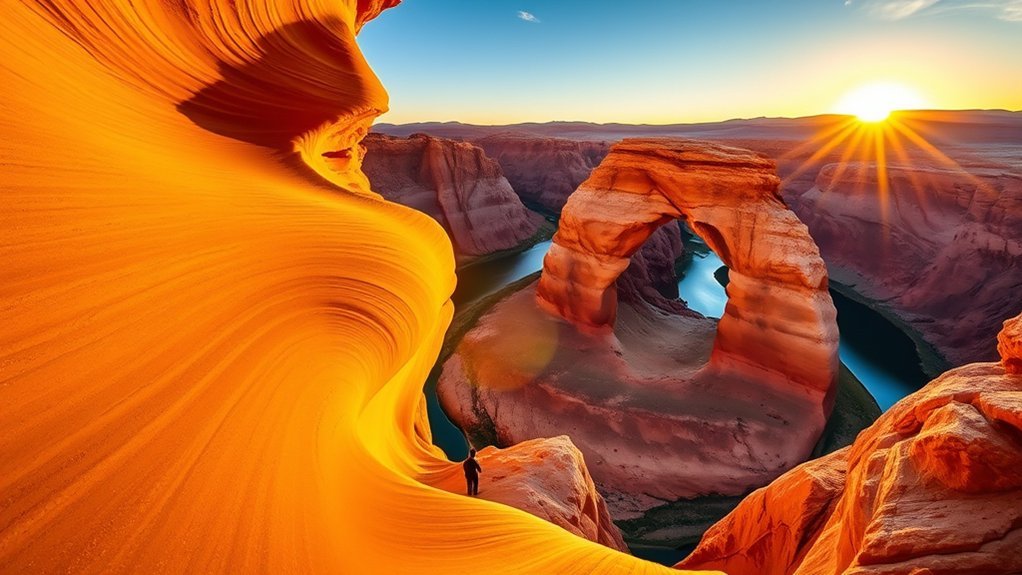
Page lies northeast of Sedona and offers two of northern Arizona’s most recognizable landscapes: Antelope Canyon’s sculpted slot-canyon walls and the Colorado River’s sweeping curve at Horseshoe Bend. The scenery is exceptional, but this is the longest day trip in this guide.
Allow roughly 3 to 3.5 hours each way under normal driving conditions, and more when traffic, weather, construction, or sightseeing stops slow the route. If spending seven or more hours in the car sounds exhausting, staying overnight in Page will give you much more flexibility.
Antelope Canyon cannot be explored independently. Navajo Nation Parks & Recreation requires visitors to enter Antelope Canyon locations with an authorized guide. Review the current operator list and rules on the official Navajo Nation Parks & Recreation website, then reserve your tour before leaving Sedona.
Different canyon sections offer different experiences, and light conditions change by season and time of day. Instead of choosing solely on promises of a specific light beam, book a tour time that fits your driving schedule and follow your operator’s arrival instructions carefully.
At Horseshoe Bend, the National Park Service describes the walk as about 1.5 miles round trip on a hardened trail. Shade is limited. A railing protects the main viewing platform, but much of the surrounding rim remains exposed above a drop of roughly 1,000 feet.
Warning: Carry plenty of water at Horseshoe Bend, avoid the hottest part of the day when possible, watch children closely, and stay well back from unprotected cliff edges. Antelope Canyon access can also change because of dangerous weather or flash-flood conditions.
Pets require extra planning. Leashed pets are permitted on the Horseshoe Bend trail, but Navajo Nation Parks & Recreation prohibits dogs at Navajo Tribal Park locations, including Antelope Canyon.
Oak Creek Canyon: Scenic Drives, Creek Views, and Picnics
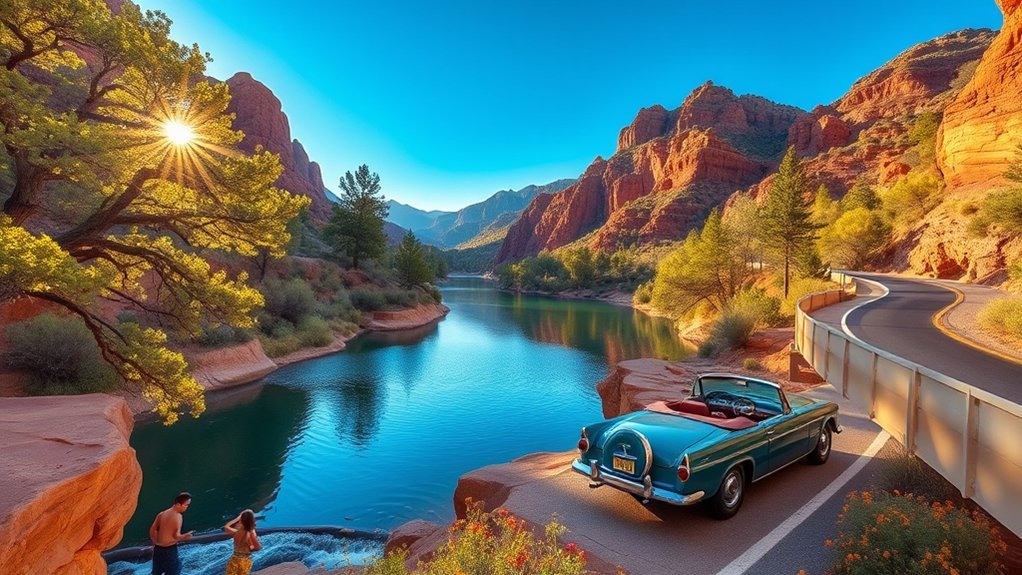
Oak Creek Canyon begins just north of Sedona along SR 89A, making it the easiest escape in this guide. The road winds between red-rock walls, forest, creekside recreation sites, picnic areas, and viewpoints as it climbs toward Flagstaff.
When recreation areas are open, you can stop for photography, short walks, creek views, or a shaded picnic beneath sycamores and pines. Some developed areas provide direct creek access, while others are better for scenery than swimming. For related tips and details, explore our 25 Best Things to Do in Sedona, Arizona – Guide #3.
Oak Creek Canyon packs one of the biggest changes of scenery near Sedona into a short drive, climbing from red-rock country toward cool forest along SR 89A.
Warning: As of August 16, 2026, Slide Rock State Park’s swimming area is closed through the end of September 2026 because ash, sediment, debris, and flash-flood hazards associated with the Pocket Fire affected Oak Creek. Other Forest Service recreation areas are also subject to temporary closures. Check Coconino National Forest alerts and Slide Rock State Park before planning water recreation.
- Use an open, designated turnout or recreation site rather than parking along unsafe shoulders.
- Check current creek, wildfire, flash-flood, and recreation-site closures before leaving Sedona.
- Pack an insulated cooler, water, sun protection, and a compact picnic blanket if you plan to stop for lunch.
- Travel in the morning or later afternoon when practical to reduce heat and peak visitor pressure.
Even when swimming is unavailable, the canyon remains worthwhile for its scenic drive, forest transition, picnic opportunities, and access toward Flagstaff. Treat creek recreation as a bonus that depends on current conditions rather than a guaranteed part of the trip.
Tuzigoot National Monument and Verde Valley Wine Trail
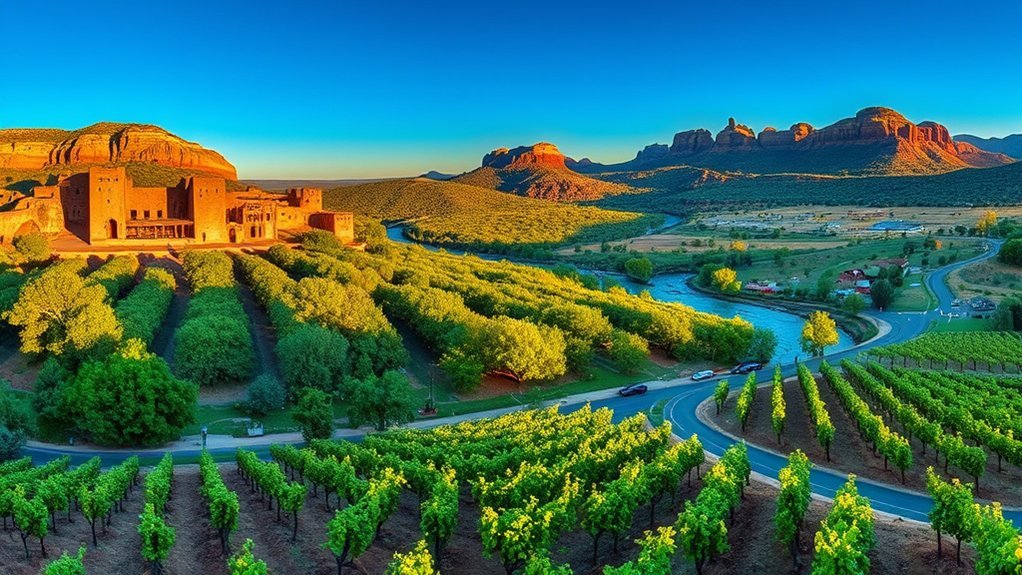
Southwest of Sedona near Clarkdale, Tuzigoot National Monument protects a hilltop pueblo associated with the prehistoric Southern Sinagua culture. Its elevated position gives you wide views across the Verde Valley and makes the site easy to pair with nearby Cottonwood, Clarkdale, or wine-country stops.
The main Pueblo Trail is about 0.3 mile and usually takes roughly 30 to 45 minutes. Rather than simply walking through “reconstructed rooms,” think of Tuzigoot as an archaeological site where preserved and stabilized pueblo remains, museum exhibits, and interpretation help explain community life, trade, farming, and material culture.
If accessibility matters, the National Park Service identifies the Marsh Overlook Trail as fully accessible. Other portions of the pueblo experience include grades and surfaces that may require more effort.
After Tuzigoot, continue into the Verde Valley Wine Trail. Its wineries and tasting rooms are spread through communities including Cottonwood, Clarkdale, Jerome, and Sedona, so you do not need to visit several distant vineyards to enjoy the region.
You may encounter Syrah, Viognier, blends, and other Arizona wines, but individual tasting menus change. Check each winery’s current hours and reservation policy before arriving, particularly on busy weekends.
Pro Tip: If wine tasting is part of your day, choose a designated driver or reserve a guided wine tour. The official Verde Valley Wine Trail also recommends responsible transportation when visiting multiple tasting rooms.
Grand Canyon South Rim: Iconic Views Within Reach
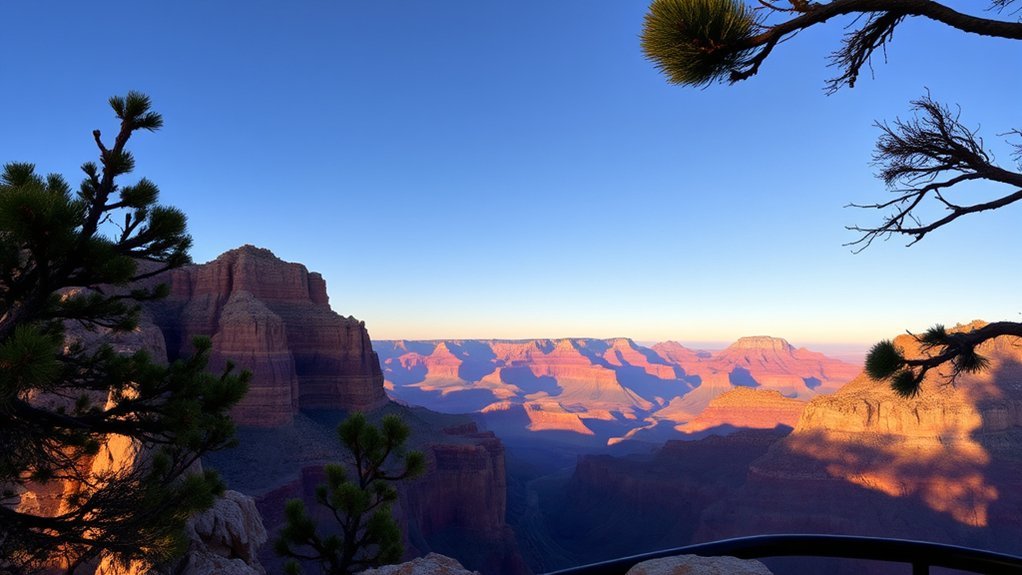
The Grand Canyon South Rim is roughly a two- to two-and-a-half-hour drive from Sedona under normal conditions, making it a long but very manageable day trip when you start early. The South Rim stays open year-round, although snow, ice, road conditions, and seasonal facility schedules can affect a winter visit.
You do not need to hike into the canyon to experience its scale. Mather Point, the Rim Trail, Yavapai-area viewpoints, and the historic village provide dramatic views with relatively little walking.
- Park near the Grand Canyon Visitor Center rather than trying to drive directly to Mather Point. There is no visitor parking at the viewpoint itself, and Mather Point is a short walk from the Visitor Center area.
- Walk a section of the Rim Trail for changing views without committing to a steep inner-canyon hike.
- Stop at the Visitor Center or another staffed information point to check the day’s ranger programs, shuttle routes, weather, and trail conditions.
- For sunset, consider Yavapai Point or use the appropriate shuttle for Hermit Road viewpoints such as Hopi Point.
From March 1 through November 30, normal private vehicles cannot drive Hermit Road. During that period, visitors reach its overlooks using the free shuttle, commercial tours, bicycles, or walking routes. Build shuttle time into your plan if Hopi Point is important to you.
Bring water, food or snacks, sun protection, and an extra layer. The South Rim is substantially higher and often cooler than Sedona. In winter, conditions can change quickly.
Warning: Do not underestimate below-rim hikes. Trails descending into the Grand Canyon are much more strenuous than walking along the rim because every descent must be followed by a major climb back out. For a Sedona day trip, rim viewpoints and short rim walks are the safer, more time-efficient choice for most visitors.
Sources
- National Park Service — Montezuma Castle National Monument — cultural history, Montezuma Well, accessibility, fees, pets, and visitor logistics.
- National Park Service — Tuzigoot National Monument — pueblo trails, accessibility, hours, safety, and visitor information.
- Navajo Nation Parks & Recreation — Antelope Canyon Tour Operators — mandatory guide requirements, approved operators, and tribal park access rules.
- U.S. Forest Service — Coconino National Forest Alerts — current Oak Creek, wildfire, trail, and recreation-area closures.
- Arizona State Parks — Slide Rock State Park — current swimming-area status and park access.
- National Park Service — Grand Canyon Plan Your Visit — South Rim parking, shuttles, seasonal access, trails, and visitor information.
Frequently Asked Questions
Are pets allowed on these day-trip trails and sites?
Rules vary by destination. Montezuma Castle and Grand Canyon South Rim allow leashed pets in certain outdoor areas, with restrictions on buildings, below-rim trails, and shuttle buses. Horseshoe Bend allows leashed pets on its trail. Navajo Nation Parks & Recreation prohibits dogs at Navajo Tribal Park locations such as Antelope Canyon. Always check the specific site's current pet rules before leaving Sedona.
What are recommended lunch options for dietary restrictions?
Sedona has several places worth checking before or after your drive, including The Hudson, ChocolaTree, and Sedona Memories Café. ChocolaTree is especially focused on vegetarian and gluten-free food. Menus and allergen procedures can change, so contact a restaurant directly if cross-contact or a serious food allergy is a concern. For remote destinations, carrying your own suitable lunch and snacks is often the easiest option.
Is cell service reliable along these routes?
Do not depend on continuous service. Coverage is generally better near Sedona, Flagstaff, Cottonwood, Page, and major highways, but canyon terrain, forest roads, remote overlooks, and national-park areas can create dead zones. Download offline maps, save reservation details and directions before leaving, and tell someone your route if you are heading onto a remote trail.
Which trips are wheelchair- or stroller-accessible?
Montezuma Castle is one of the easiest choices because its visitor center and main 0.3-mile paved loop are wheelchair- and stroller-accessible. Montezuma Well has steeper grades, stairs, and rougher sections. Horseshoe Bend has a hardened accessible trail and a protected viewing area, while Grand Canyon South Rim has accessible viewpoints and wheelchair-accessible shuttle buses. Tuzigoot's Marsh Overlook Trail is accessible. Jerome's steep streets can be more difficult.
Are guided tours or rentals available at every destination?
No. Antelope Canyon is the major exception where an authorized guide is mandatory. Montezuma Castle and Tuzigoot are primarily self-guided archaeological sites with interpretive information and occasional ranger programs. Grand Canyon offers shuttle transportation plus commercial tour and seasonal recreation services. Flagstaff, Jerome, Sedona, and the Verde Valley have private tour companies, but services vary and should be booked directly with the provider.
Which Sedona day trip requires the least driving?
Oak Creek Canyon requires the least driving because it begins immediately north of Sedona along SR 89A. Jerome, Montezuma Castle, Tuzigoot, and Flagstaff are also practical choices when you want to keep one-way driving near an hour or less.
Is Page really practical as a day trip from Sedona?
Yes, but it is a long day. Expect roughly 3 to 3.5 hours of driving each way in normal conditions, plus your Antelope Canyon tour, Horseshoe Bend walk, meals, fuel stops, and possible delays. An overnight stay in Page is the better choice if you want a slower pace or do not enjoy long drives.
Do I need reservations for these Sedona day trips?
Antelope Canyon is the trip where advance booking matters most because entry requires an authorized guided tour. Lowell Observatory tickets, wine tastings, commercial tours, and some seasonal activities can also sell out. National monuments and most scenic overlooks generally do not require the same type of timed tour reservation, but always check current official requirements before traveling.
Related Guides
- Arizona Travel Guide: Top Attractions, Itineraries & Tips
- Best Places to Visit in Arizona
- 25 Best Things to Do in Arizona, Arizona
Conclusion
Sedona gives you an unusually wide range of day trips without changing hotels. Jerome offers mining history and art, Montezuma Castle and Tuzigoot connect you with centuries of Verde Valley history, Flagstaff adds forests and astronomy, and Oak Creek Canyon provides an easy scenic escape close to town. For a bigger commitment, the Grand Canyon rewards an early start, while Page combines Antelope Canyon and Horseshoe Bend into a spectacular but very long day.
The smartest plan is not to chase the greatest number of stops. Choose the destination that matches your available time, reserve anything that requires advance entry, check current road and recreation conditions, and leave enough room in the schedule to actually enjoy the place you drove to see.