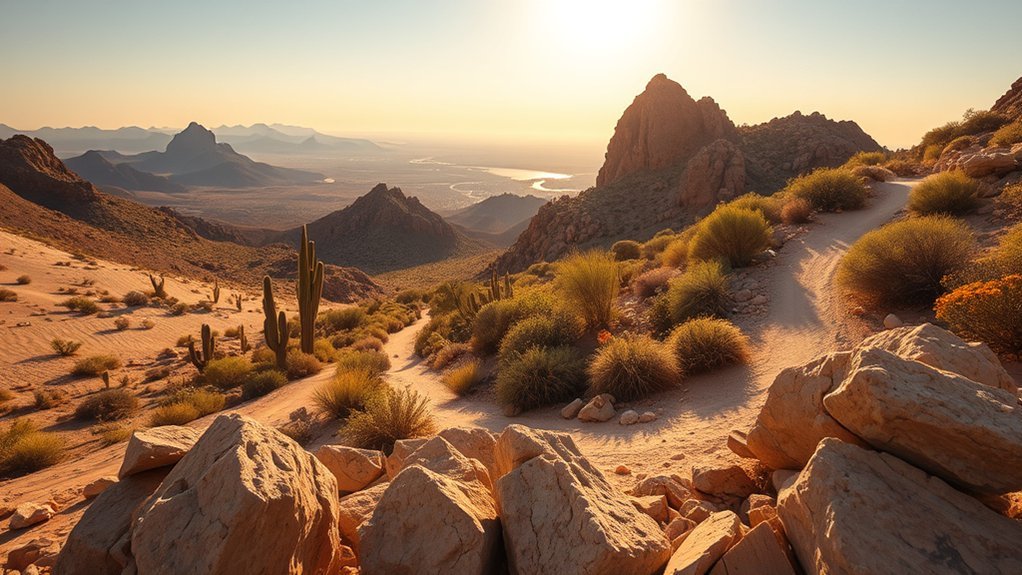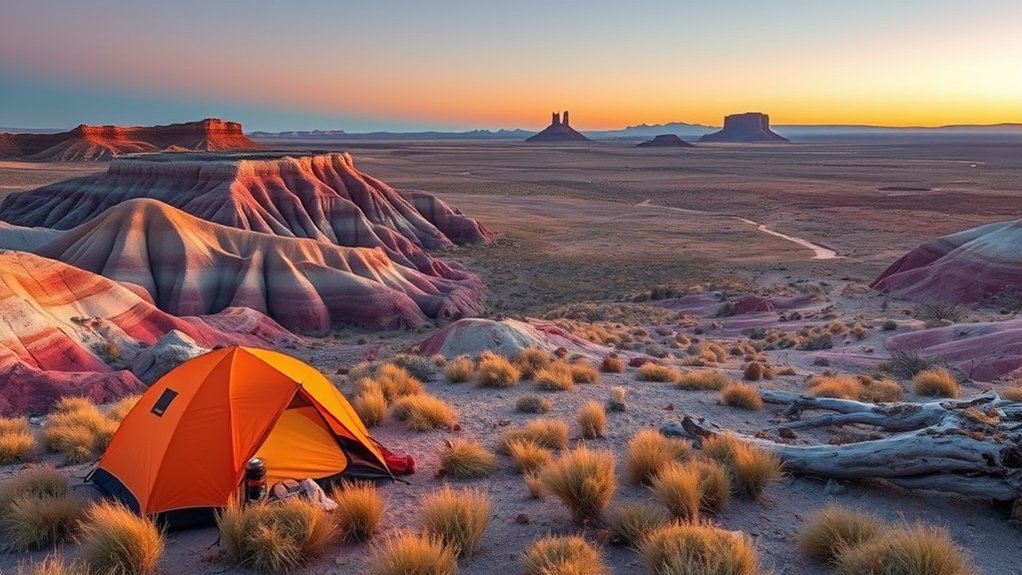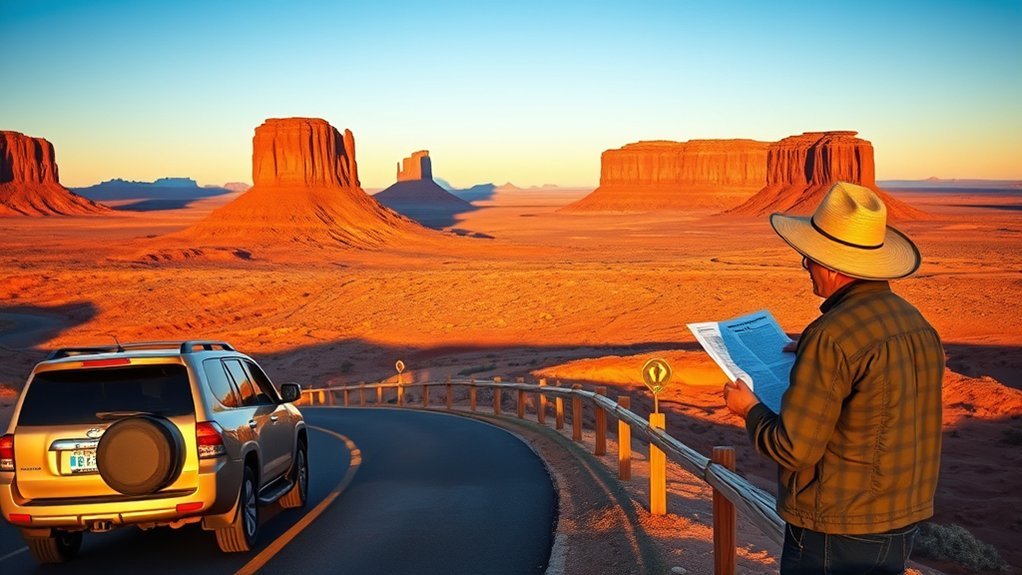
Monument Valley Navajo Tribal Park is one of the Southwest’s most recognizable landscapes, but visiting it well takes more planning than simply following US-163 to the entrance. You need to account for Navajo Nation fees and rules, the rough 17-mile Valley Drive, seasonal operating hours, trail restrictions, weather, and the difference between areas you can explore independently and places that require a Navajo guide.
Quick Answer
Monument Valley Navajo Tribal Park is easiest to reach by car via US-163. Allow at least half a day, and preferably a full day or overnight, for the main overlooks, Valley Drive, Wildcat Trail, and a Navajo-guided tour. Check current fees, hours, vehicle restrictions, weather, and permit rules before entering.
Key Takeaways
- Monument Valley is a Navajo Nation tribal park, not a National Park Service site, and Navajo Nation rules control access.
- The current official park page lists a $10 per-person entry fee plus a $15 vehicle fee for the Scenic Drive, subject to change.
- The 17-mile Valley Drive is unpaved and rough, and current park guidance restricts several vehicle types.
- Wildcat Trail is the designated public hiking option, but published mileage currently differs between official and state tourism sources, so follow the Visitor Center’s current map and signage.
- Guided Navajo tours provide cultural interpretation and access to locations that independent visitors cannot enter.
- Navajo Nation observes daylight saving time, unlike most of Arizona, so confirm local time before a tour or early departure.
At a Glance
| Time Required | About 4-8 hours for the main sights; one full day or an overnight stay is better for tours, hiking, sunrise, and sunset. |
| Difficulty | Easy sightseeing to moderate hiking, with rough-road and desert-weather considerations. |
| Tools Needed | Water, sun protection, sturdy shoes, layered clothing, navigation, and a vehicle permitted and suitable for the activities you plan. |
| Cost | Current posted fee: $10 per person, plus $15 per vehicle for the Scenic Drive. Guided tours, permits, food, and lodging cost extra. Fees are subject to change. |
What Is Monument Valley Navajo Tribal Park?
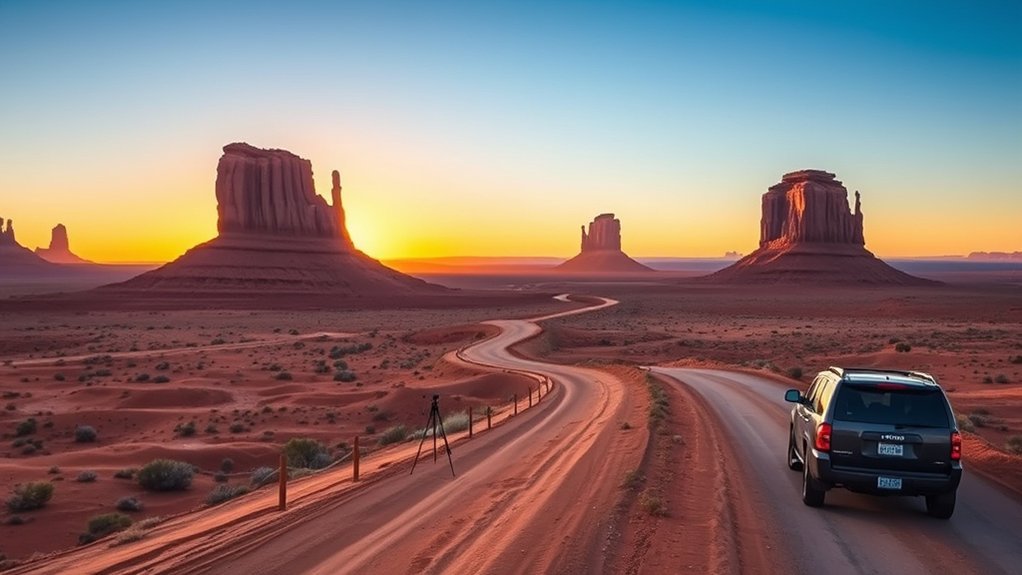
Monument Valley Navajo Tribal Park sits along the Arizona-Utah border and protects a vast landscape of red sandstone buttes, mesas, desert flats, and culturally significant Navajo lands. East and West Mitten Buttes and Merrick Butte form the famous panorama visible from the Visitor Center.
The park is managed by Navajo Nation Parks & Recreation, not the National Park Service. The official park page lists an elevation of 5,564 feet and an area of 91,696 acres spanning Arizona and Utah.
The main visitor experience includes overlooks near the Visitor Center, the unpaved 17-mile Valley Drive, the designated Wildcat hiking area, Navajo arts and crafts vendors, and guided tours that reach locations unavailable to independent visitors.
As currently posted by Navajo Nation Parks, Monument Valley costs $10 per person, per day, per location, plus a $15 vehicle fee for the Scenic Drive. Both fees are subject to change.
How to Get There and Travel Times
US-163 is the main highway serving Monument Valley. Travelers approaching from Flagstaff generally use US-89 toward Tuba City, US-160 through Kayenta, and then US-163 north toward Monument Valley. Approaches from Utah also connect with US-163.
Services become limited as you approach the park, so fill your fuel tank before the final stretch, carry water and snacks, and download any navigation information you may need before entering areas with inconsistent mobile coverage.
Driving Distances From Cities
Driving time depends on your exact starting point, construction, weather, stops, and route. The figures below are practical planning estimates rather than guaranteed times. Visit Utah currently estimates roughly five hours from Phoenix airport and about seven hours from both Las Vegas and Salt Lake City airports.
| Starting Area | Approx. Road Distance | Typical Planning Time |
|---|---|---|
| Flagstaff | About 175 miles | About 3 hours |
| Phoenix | About 320 miles | About 5 hours |
| Albuquerque | About 325 miles | About 5-5.5 hours |
| Las Vegas | About 400 miles | About 7 hours |
| Salt Lake City | About 380 miles | About 7 hours |
Confirm the route in your navigation system shortly before departure because road work, weather, and your exact origin can change both mileage and travel time. For related tips and details, explore our Camping in Monument Valley Navajo Tribal Park.
Nearest Airports and Routes
Flagstaff Pulliam Airport is geographically closer than the major metropolitan airports, but it is a smaller airport with fewer flight options. Phoenix Sky Harbor is a common choice for travelers approaching from Arizona, while Albuquerque, Las Vegas, and Salt Lake City can also work depending on airfare and the rest of your road-trip route.
Visit Utah currently estimates the Monument Valley Visitor Center at about five hours by car from Phoenix airport and about seven hours from Las Vegas or Salt Lake City airports. Build additional time into any airport-to-park drive for fuel, meals, viewpoints, weather, and daylight.
Note: Navajo Nation observes daylight saving time, even though most of Arizona does not. The Navajo Nation confirmed the 2026 daylight-saving change in March. Check local Monument Valley time before a tour, hotel check-in, or timed activity, especially if you are arriving from elsewhere in Arizona.
Top Things to Do and Must-See Sites
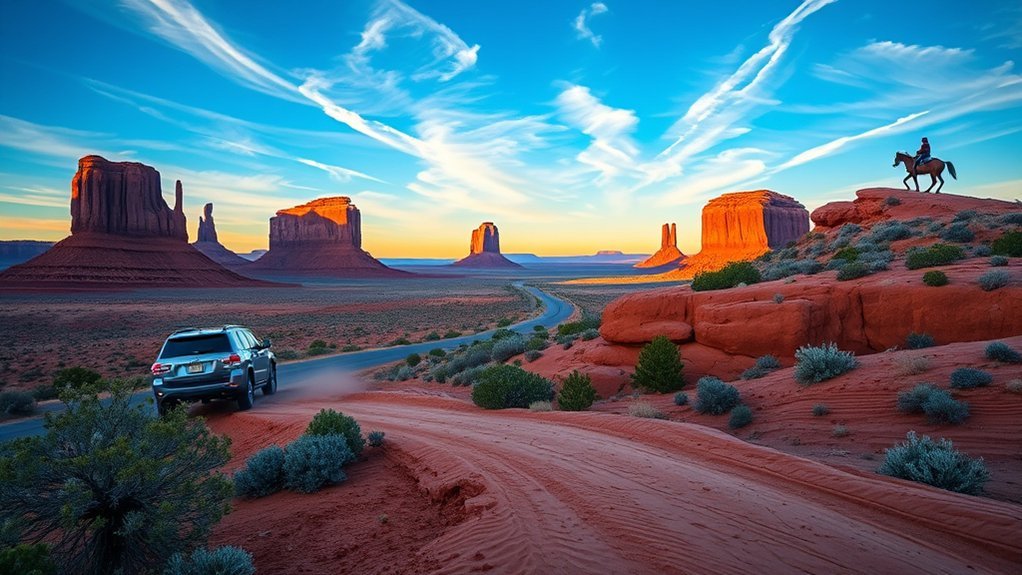
Most first-time visits combine the Valley Drive, Visitor Center overlooks, a short hike, and a Navajo-guided tour. These experiences overlap less than they may appear: the public road shows the famous formations, while guided tours can provide cultural interpretation and reach restricted areas.
- Explore Valley Drive: The roughly 17-mile unpaved loop begins near the Visitor Center and passes famous viewpoints and sandstone formations.
- Hike the Wildcat Trail area: This is the designated public hiking option around the Mitten Buttes. Sign in and out as required by the park.
- Take a Navajo-guided tour: Licensed operators can provide cultural context and reach locations such as Ear of the Wind that independent visitors cannot access.
- Visit Navajo vendors: Purchase directly from local artisans when shopping for jewelry, art, crafts, and souvenirs.
- See Forrest Gump Point: The well-known US-163 viewpoint is north of Monument Valley. Park only where it is legal and safe, and never stand in an active traffic lane for a photograph.
Warning: Do not assume every vehicle can use Valley Drive. Current Navajo Nation Parks guidance describes rough terrain and deep sand and lists RVs, camper vans, motorcycles, large SUVs, and off-road vehicles as prohibited on the loop. If your vehicle is unsuitable or conditions are poor, use a licensed Navajo-guided tour instead.
Published Wildcat Trail mileage currently differs. Navajo Nation Parks lists the trail at 1.5 miles, while Visit Utah describes a 3.2-mile loop and roughly four miles total when access to and from the trailhead is included. Rather than relying on an old mileage figure, use the current Visitor Center trail map and signs when you arrive.
Pro Tip: If cultural interpretation is important to you, schedule a Navajo-guided tour instead of treating it only as an alternative to self-driving. Guides can explain the landscape and cultural context while taking you into areas closed to independent travel.
When to Visit and How Much Time to Plan
Spring and autumn generally offer the most comfortable balance of temperature and daylight for scenic drives, photography, and hiking. Summer brings stronger heat and the possibility of thunderstorms, while winter can produce freezing temperatures, wind, and occasional snow. For related tips and details, explore our Antelope Canyon Guide: A Visitor Guide.
Current Park Hours and Closures
Do not plan around closing time alone because Valley Drive has an earlier last-entry cutoff. Navajo Nation Parks’ main Monument Valley page currently lists a 4:30 p.m. last entry during summer operations and a 2:30 p.m. last entry during winter operations.
Another current Navajo Nation Parks page publishes somewhat different seasonal opening details, so the safest planning method is to check the official Monument Valley page for your actual visit date. Do not assume that arriving shortly before the Visitor Center closes will leave enough time to enter Valley Drive.
Current park information lists closures around major Navajo Nation holidays, including Thanksgiving, Navajo Nation Family Day after Thanksgiving, Christmas Day, and New Year’s Day. Holiday schedules can change, so confirm before a long drive.
Best Seasons to Go
- Spring: Comfortable temperatures make scenic driving, viewpoints, and hiking easier.
- Summer: Longer daylight is useful, but heat can be intense. Navajo Nation Parks also warns about flash-flood danger, especially during the July-September monsoon period.
- Autumn: Usually a strong choice for moderate weather, lower-angle light, and outdoor sightseeing.
- Winter: Expect colder temperatures, strong winds, short daylight hours, and possible snow or icy conditions.
Weather can change quickly in this high-desert environment. Check the forecast before starting a hike or entering the scenic loop, and reconsider unpaved-road travel after heavy rain.
Recommended Visit Duration
A short stop of two to four hours can cover the Visitor Center views and selected nearby sights, but a full day gives you time for Valley Drive, hiking, Navajo-guided interpretation, vendors, and photography without rushing. Staying overnight gives you the best chance to experience both sunset and sunrise.
| Visit Length | Best For |
|---|---|
| 2-4 hours | Visitor Center overlooks and a limited selection of nearby sights |
| Full day | Valley Drive, hiking, viewpoints, vendors, and/or a guided tour |
| Overnight | A more relaxed visit with sunrise, sunset, stargazing, and additional tour time |
Where to Stay and Eat Nearby
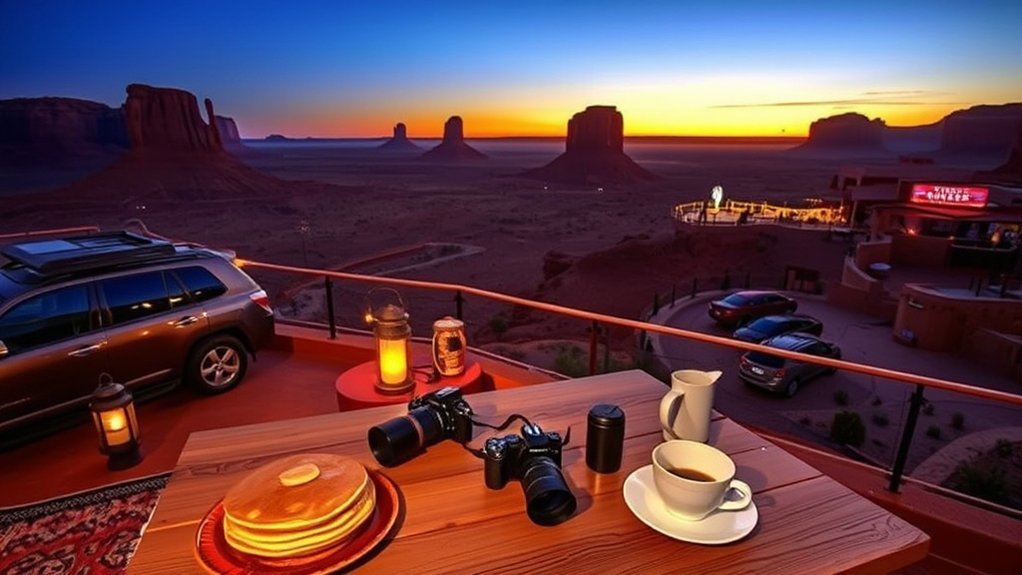
The View Hotel is the most convenient choice if staying inside Monument Valley Tribal Park is your priority. Navajo Nation Parks identifies The View Hotel and Cabins as lodging inside the park, with hotel rooms, cabins, campground options, a trading post, and dining available nearby.
Goulding’s Resort is another established lodging base close to Monument Valley and offers a range of accommodations, RV and camping facilities, dining, tours, and traveler services. It can be useful if you want several amenities in one location while remaining close to the tribal park. For related tips and details, explore our How to Visit Antelope Canyon: Getting There, When to Go &.
For additional motel choices, look in Kayenta to the south or Mexican Hat to the north. Kayenta is particularly useful for fuel, groceries, and other road-trip services.
- Choose proximity: Stay at The View if immediate access to park overlooks and sunrise or sunset scenery matters most.
- Choose broader amenities: Consider Goulding’s if you want lodging, dining, tours, and traveler services in one nearby complex.
- Choose more off-site options: Compare Kayenta and Mexican Hat when availability or price matters more than staying next to the park entrance.
Dining choices are limited compared with a city, and restaurant hours can vary seasonally. Carry snacks and water rather than relying on a late meal being available after a long day of sightseeing.
Rules, Permits, and Safety Tips
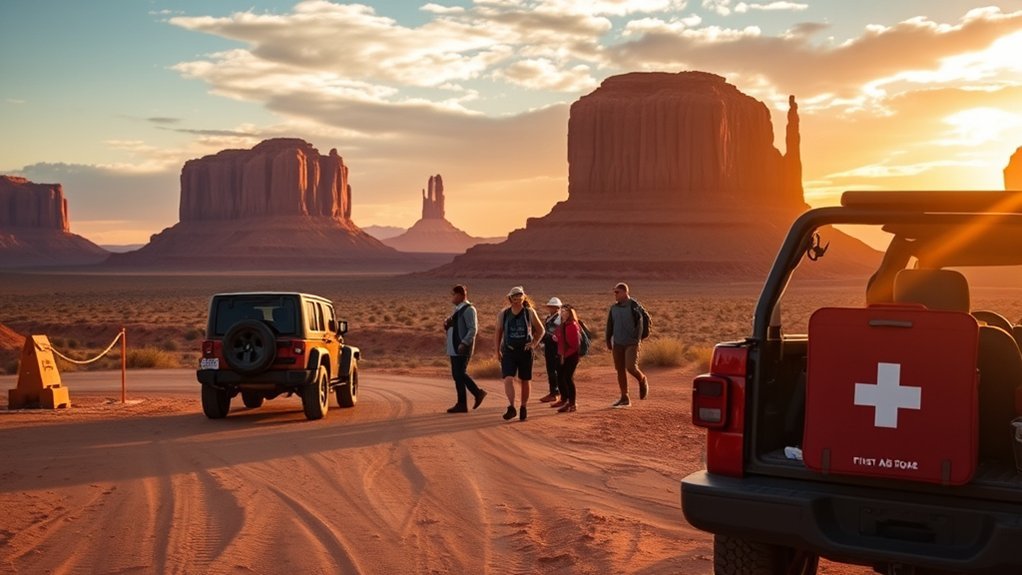
Monument Valley is Navajo land and a culturally significant landscape, so park rules are more than ordinary sightseeing suggestions. Stay on designated public routes and follow the instructions of Navajo Nation Parks staff, signs, and licensed guides.
- Backcountry: Hiking or camping in backcountry areas requires the appropriate permit. Review the current Navajo Nation Parks permit requirements before planning anything beyond normal public visitor areas.
- Restricted areas: Some formations and backcountry locations are available only with licensed Navajo guides.
- Commercial photography and filming: Commercial photography, filming, and certain special uses require permits. Do not assume a normal admission ticket covers commercial production.
- Drones: Navajo Nation Parks states that drones are prohibited at Navajo Tribal Park locations.
- Pets: Current Monument Valley visitor guidance states that dogs are prohibited at Navajo Tribal Park locations. Plan pet care before arriving.
- Climbing: Climbing and base jumping on monuments, buttes, and sacred sites are prohibited.
- Firearms and alcohol: Navajo Nation Parks rules prohibit firearms on tribal lands and prohibit possession or consumption of alcoholic beverages and illegal drugs.
- Leave the landscape intact: Do not remove rocks, plants, artifacts, or other natural or cultural material.
- Respect residents: Do not enter residential areas or disturb private property. Ask permission before photographing Navajo people.
- Waste: Pack out everything you bring in and do not leave, bury, or burn trash.
These requirements are summarized from the current Navajo Nation Parks Rules & Regulations. Official posted rules and instructions at the park take precedence if anything changes.
Warning: The park sits at about 5,564 feet in a dry, exposed desert environment. Carry plenty of water, protect yourself from the sun, wear suitable footwear, and bring layers for temperature changes. Navajo Nation Parks warns that roads can become difficult after wet weather and that flash floods can occur, with the greatest seasonal concern generally during the summer monsoon period.
Tell someone where you are going before entering a hiking or backcountry area, sign in and out where required, and turn around if weather, heat, road conditions, or your physical condition deteriorates. Emergency assistance can take longer to reach remote locations.
Frequently Asked Questions
Can You Visit Monument Valley on Your Own?
Yes. Independent visitors can use the public Visitor Center area and, when conditions and vehicle rules allow, drive Valley Drive. Wildcat is the designated public hiking area. Other locations are restricted and may require a licensed Navajo guide or a permit.
Do I Need a Reservation to Visit Monument Valley?
Navajo Nation Parks currently allows visitors to purchase park entry upon arrival and lists guides who may be available at the park. However, booking a specific guided tour or lodging in advance is wise, especially when your dates or preferred departure time are not flexible. Special-use and backcountry activities have separate permit requirements.
What Is the Best Way to See Monument Valley?
Combine the Visitor Center overlooks with Valley Drive if your vehicle and road conditions allow, then add a Navajo-guided tour for cultural interpretation and access to restricted locations. If you have time, include the designated Wildcat hiking area and stay for sunrise or sunset.
How Much Does It Cost to Go to Monument Valley Tribal Park?
The current Navajo Nation Parks Monument Valley page lists per person, per day, per location, plus a vehicle fee for the Scenic Drive. Guided tours, permits, lodging, food, and other activities cost extra. Fees are subject to change, so check the official park page before traveling.
Can Any Vehicle Drive the 17-Mile Valley Drive?
No. The road is unpaved, rough, and sandy, and current Navajo Nation Parks guidance prohibits several vehicle categories, including RVs, camper vans, motorcycles, large SUVs, and off-road vehicles. Conditions can also change after rain. Check the current rule for your vehicle before entering.
How Long Is the Wildcat Trail?
Published figures currently differ. Navajo Nation Parks lists Wildcat Trail at 1.5 miles, while Visit Utah describes a 3.2-mile loop and about four miles total including access to and from the parking area. Use the current Visitor Center map and onsite trail signs, and sign in and out as required.
Are Drones or Pets Allowed at Monument Valley?
Navajo Nation Parks states that drones are prohibited at Navajo Tribal Park locations. Current Monument Valley visitor guidance also states that dogs are prohibited. Check the latest official rules before arrival if this affects your plans.
What Time Zone Does Monument Valley Use?
Monument Valley is on the Navajo Nation, which observes daylight saving time. That can make the local clock different from most of Arizona during part of the year. Confirm Monument Valley local time before tours, hotel check-ins, or early departures.
Related Guides
- 25 Best Things to Do in Prescott, Arizona
- Prescott Travel Guide: Top Attractions, Itineraries & Tips
- Best Restaurants in Prescott: Courthouse Plaza Dining Guide
Conclusion
Monument Valley rewards careful planning. Allow enough time for the overlooks, the 17-mile Valley Drive if your vehicle qualifies, the designated Wildcat hiking area, and a Navajo-guided tour that adds cultural context and access beyond the public route. Spring and autumn are comfortable choices for many visitors, but every season requires attention to weather, water, road conditions, and operating hours.
Before leaving for the park, confirm the current Navajo Nation entry fees, Valley Drive last-entry time, vehicle restrictions, and any permit requirements. Bring water, fuel up before the remote stretches of highway, respect Navajo land and residents, and consider staying overnight if you want both sunset and sunrise without rushing.
Sources
- Navajo Nation Parks & Recreation – Monument Valley Navajo Tribal Park – current fees, elevation, Valley Drive information, Wildcat Trail listing, permits, hours, and park overview.
- Navajo Nation Parks & Recreation – Monument Valley Tour Operators – guide listings, 2026 fee-change notice, Valley Drive restrictions, hours, hiking guidance, pet restrictions, and holiday closures.
- Navajo Nation Parks & Recreation – Permits – backcountry, photography, filming, special-use, and drone rules.
- Navajo Nation Parks & Recreation – Rules & Regulations – hiking, cultural-respect, climbing, firearm, alcohol, waste, wildlife, weather, and safety rules.
- Utah Office of Tourism – Monument Valley Navajo Tribal Park – regional driving times, Wildcat Trail information, Forrest Gump Point, guided-tour context, and trip-planning guidance.
- Office of the President of the Navajo Nation – 2026 Daylight Saving Time Notice – confirms that the Navajo Nation observes daylight saving time.