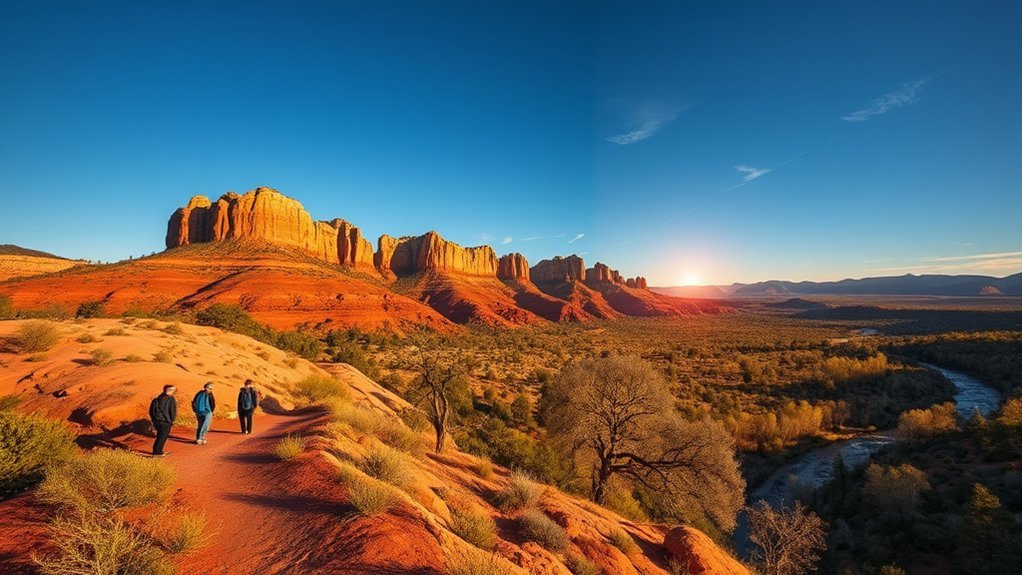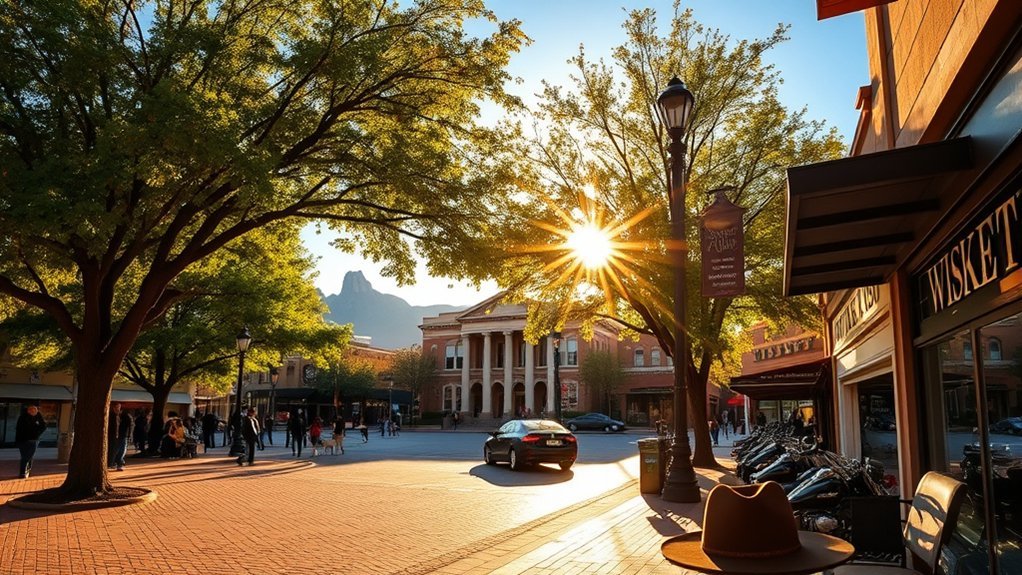
Prescott packs Old West history, granite-lined lakes, pine forests, museums, trails, and a lively downtown into a relatively compact part of central Arizona. You can spend the morning around Courthouse Plaza and Whiskey Row, hike or paddle in the afternoon, then return downtown for dinner, live entertainment, or a guided history tour. The best trip balances Prescott’s historic core with at least one of its outdoor areas.
Quick Answer
The best things to do in Prescott, Arizona, include walking Courthouse Plaza and Whiskey Row, hiking Thumb Butte, exploring Watson Lake and the Granite Dells, visiting Sharlot Hall Museum and the Museum of Indigenous People, biking the Peavine Trail, and experiencing Prescott’s Western art, rodeo traditions, and seasonal events.
Key Takeaways
- Stay around Courthouse Plaza if you want Prescott’s most walkable mix of history, restaurants, shops, and nightlife.
- Watson Lake, the Granite Dells, Peavine Trail, Thumb Butte, and Lynx Lake are strong choices when outdoor scenery matters most.
- Check current trail, weather, fire, parking, museum, and event information before leaving, especially during monsoon and wildfire season.
- The former Smoki Museum is now the Museum of Indigenous People, and Sharlot Hall Museum’s Governor’s Mansion is temporarily closed for rehabilitation with reopening expected in early 2027.
- Prescott is easy to explore over a weekend, but a car is useful for lakes, trailheads, the Phippen Museum, and trips toward Mingus Mountain.
Plan Your Prescott Visit
For a half-day visit, concentrate on Courthouse Plaza, Whiskey Row, and one museum. With a full day, add Watson Lake, the Granite Dells, or Thumb Butte. A weekend gives you time for longer trails, the Phippen Museum, Lynx Lake, a performance, and a scenic drive toward Mingus Mountain or Jerome.
Weather and Seasonal Safety
Prescott’s elevation makes it cooler than Arizona’s lower deserts, but summer afternoons can still be hot. The National Weather Service defines the Southwest monsoon season as June 15 through September 30, although northern Arizona often sees its more persistent monsoon moisture beginning around early July. Afternoon and evening thunderstorms can bring lightning, gusty wind, heavy rain, and rapid temperature changes.
Warning: Do not stay on exposed summits, open granite, or lake water when thunder is nearby. Check the weather before hiking or paddling, and review current U.S. Forest Service fire restrictions and trail closures before entering Prescott National Forest.
Getting Around and Parking
Downtown Prescott is walkable, but most lake and trail attractions are easier with a car. City recreation areas such as Watson Lake, Willow Lake, the Peavine Trailhead, and the Constellation Trailhead may charge day-use parking fees. Check the City of Prescott parking page for current prices and fee-free days.
Public options include Yavapai Regional Transit and the YAV Connect on-demand service, but schedules and coverage are more limited than in a large metropolitan system.
Pro Tip: Group downtown attractions together, then drive to Watson Lake, Peavine Trail, or the northern museums. This cuts down on unnecessary back-and-forth driving.
Wander Courthouse Plaza and Whiskey Row
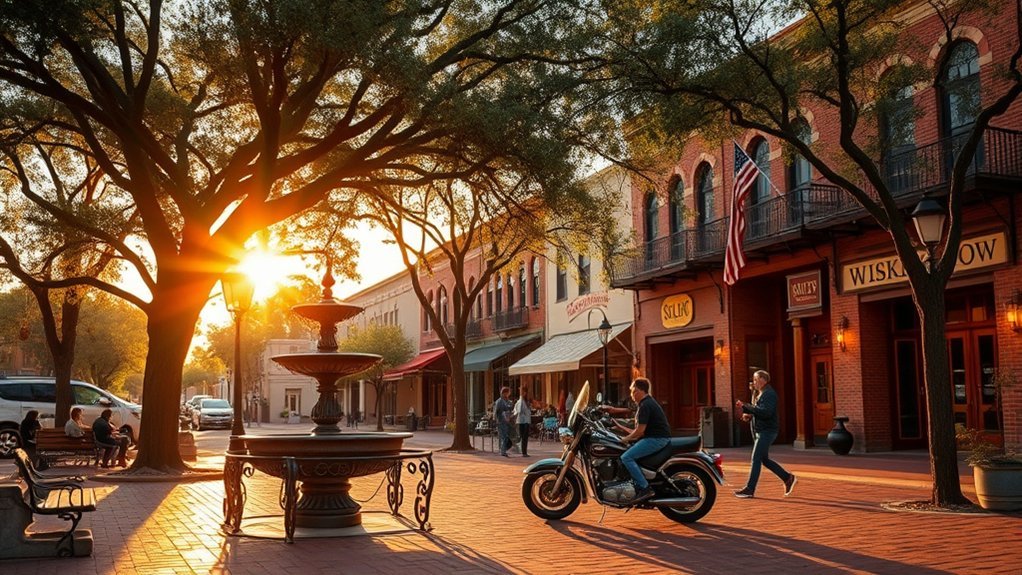
Start in Prescott’s historic heart at Courthouse Plaza, where mature trees, lawns, benches, public art, and the Yavapai County Courthouse anchor downtown. The present courthouse dates to the early 20th century, while the surrounding commercial district preserves layers of Prescott’s territorial and Western history.
Walk west toward Whiskey Row along South Montezuma Street. The area became known for its saloons and gambling halls, and much of downtown was rebuilt after a devastating fire in 1900. Today, historic buildings contain restaurants, bars, shops, galleries, and lodging.
The square is particularly useful as a starting point because many downtown sights are within an easy walk. Check the official Prescott tourism calendar if you are interested in concerts, art events, festivals, or seasonal activities around the plaza.
Hike Thumb Butte Trail
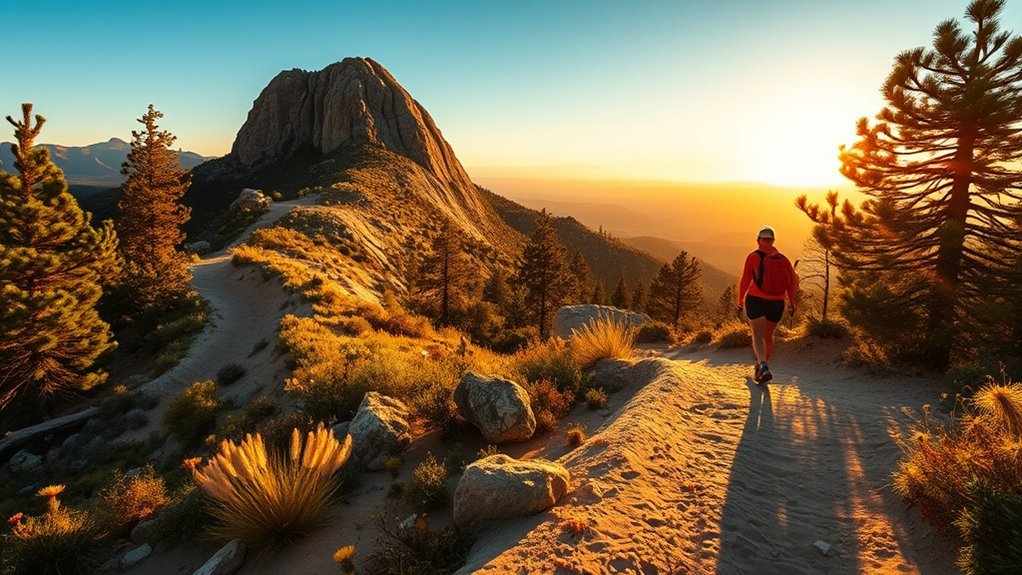
Thumb Butte, roughly four miles west of Prescott, is one of the area’s best-known landmarks and hiking destinations. The Prescott National Forest manages the recreation area and its trail network.
Trail #33 climbs through ponderosa pine and exposed granite terrain, gaining substantial elevation over a relatively short distance. It is a better fit for hikers comfortable with a sustained climb than for someone looking for a flat nature walk. Wear shoes with dependable traction, carry water, and start early during warmer months.
Seasonal wildlife protection can affect access around Thumb Butte. In 2026, peregrine falcon protection closures were lifted in July, but dates and boundaries can change from year to year. Check current Forest Service alerts rather than relying on an older trip report.
Note: A trail being open does not mean every nearby climbing area or spur is open. Wildlife closures may apply to specific cliff faces or routes.
Explore the Sharlot Hall Museum
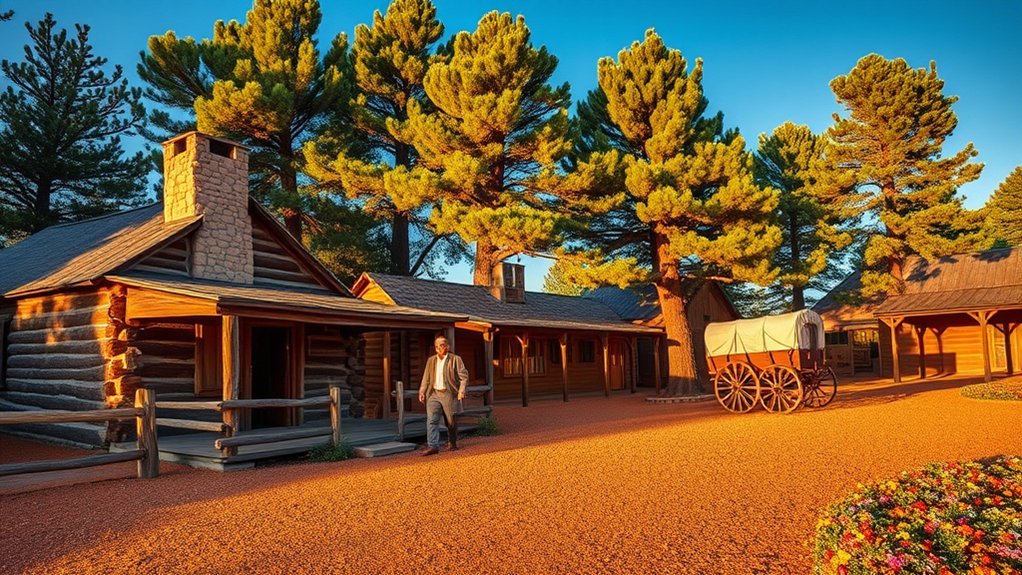
Sharlot Hall Museum is one of the best places to understand Prescott’s territorial-era history. Its four-acre campus contains historic buildings, collections, exhibits, and programs connected to Arizona’s early territorial government and everyday life in the region.
Current Status: The historic Governor’s Mansion is closed for rehabilitation and is expected to reopen in early 2027. The museum campus includes other historic buildings and exhibits, so check the museum’s current visitor information before your trip.
Historic Governor’s Mansion
The Governor’s Mansion was constructed in 1864 from ponderosa pine logs and housed Territorial Governor John Goodwin and Territorial Secretary Richard McCormick. Rather than being a Victorian mansion in the modern sense, it is an early territorial log building whose importance comes from its role in Arizona’s first territorial government.
Because the building is undergoing rehabilitation, do not plan a visit around entering its rooms until the museum confirms reopening. You can still use the surrounding campus to put Prescott’s territorial history into context.
Territorial-era Exhibits
Elsewhere on the Sharlot Hall campus, collections and exhibits explore transportation, domestic life, commerce, government, settlement, Indigenous history, and the social changes that shaped territorial Arizona. Give yourself time to read the labels rather than treating the museum as a quick photo stop.
| Object Type | What It Helps Explain |
|---|---|
| Store and household objects | Commerce and daily needs |
| Uniforms and military material | Regional military history |
| Tools | Trades, labor, and industry |
| Personal keepsakes | Individual lives and community memory |
Living History Programs
Sharlot Hall Museum also schedules living-history and educational programs at selected times. Depending on the event, these may include demonstrations, interpreters, traditional skills, or activities tied to territorial life.
- Check the museum calendar before assuming a demonstration is scheduled.
- Ask interpreters how specific objects were used rather than relying only on display labels.
- Allow extra time when a special program is running.
- Follow photography and artifact-handling rules posted by the museum.
Explore the Granite Dells on Foot or from the Lakes
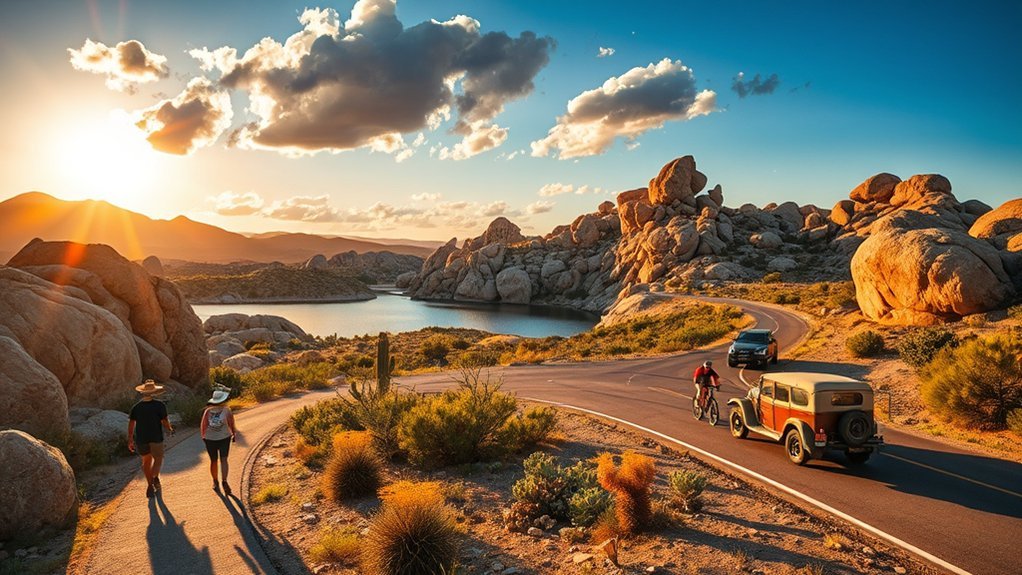
The Granite Dells are the distinctive rounded granite formations surrounding Watson and Willow Lakes. Instead of looking for a single official “Granite Dells scenic loop drive,” use the City’s marked trail system and lake access points to explore them.
Watson Lake and Willow Lake both provide access to Dells scenery, while the City of Prescott maintains an extensive network of trails in the area. Routes vary from relatively easy lakeside walking to rocky sections that require careful footing.
Morning and late-afternoon light can make the rounded formations especially photogenic. Stay on established routes where required, protect fragile vegetation, and do not assume dry granite will remain safe after rain.
Paddle or Fish at Watson Lake
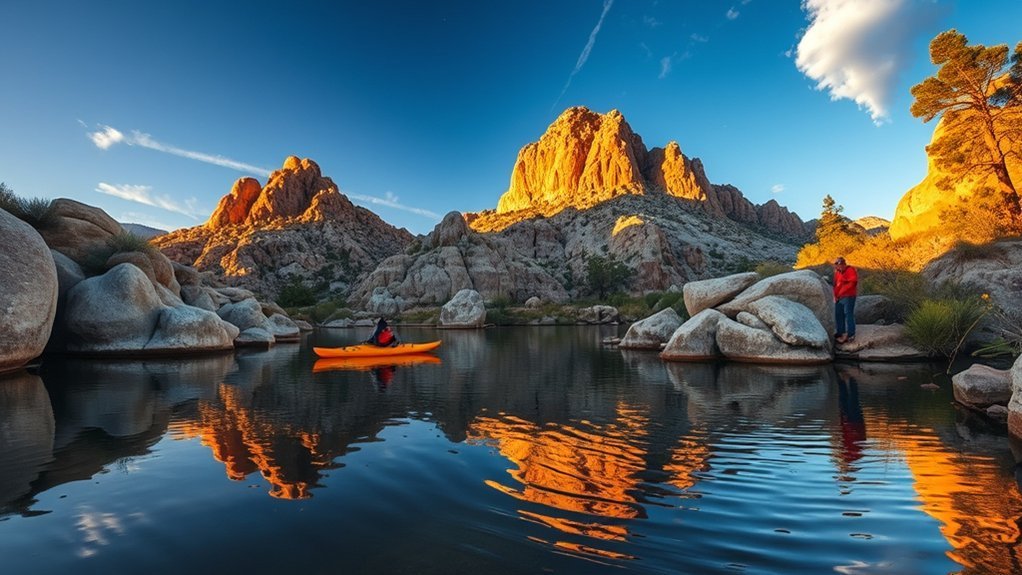
Watson Lake, about four miles from downtown, combines boating, kayaking, fishing, hiking, picnicking, camping during the designated season, and access to the Granite Dells. The City lists two boat launches and canoe/kayak rental options.
Warning: Swimming is not allowed at Watson Lake. If you are paddling, wear an appropriate personal flotation device and get off open water before thunderstorms arrive.
Kayak and Canoe Rentals
Kayaking is one of the easiest ways to see Watson Lake’s granite formations from a different angle. Rental availability can vary by season and operator, so confirm current hours before arriving rather than assuming equipment will always be available.
- Start early for calmer conditions and cooler temperatures.
- Keep a safe distance from rocks if wind begins pushing your boat sideways.
- Carry sun protection even on cooler high-country days.
- Give anglers, wildlife, and other paddlers room.
Fishing at Watson Lake
The City lists carp, catfish, crappie, and largemouth bass among Watson Lake’s fish, while the Arizona Game and Fish Department also documents Gila trout angling opportunities at Watson Lake. Conditions, stocking, limits, and regulations can change.
Check the Arizona Game and Fish Department’s current fishing regulations before casting. In general, anglers age 10 or older need an Arizona fishing license unless an exemption applies.
Explore Prescott’s Rodeo History
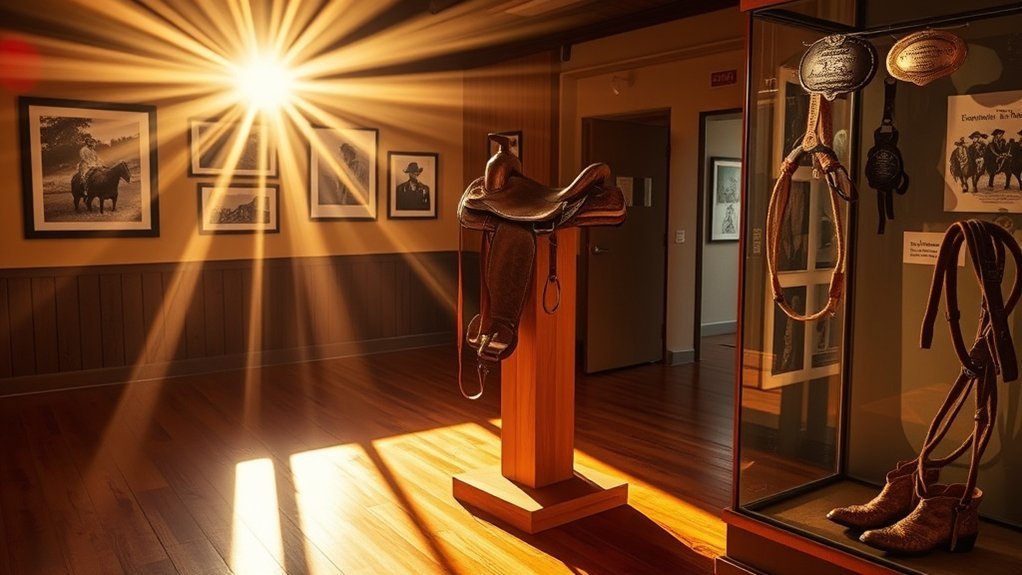
Prescott’s rodeo history is real and important, but visitors should not plan around a separate attraction called the “Prescott Frontier Days Museum.” For museum-based Western and rodeo history, use established institutions such as Sharlot Hall Museum and the Phippen Museum of Western Art & Heritage, then connect those exhibits with the annual Prescott Frontier Days rodeo.
The official Prescott Frontier Days history traces the rodeo tradition back to 1888. Historic photographs, art, saddles, cowboy culture, and community stories are better understood when you combine the museums with the working rodeo tradition that continues today.
- Use Sharlot Hall Museum for broad Prescott and territorial history.
- Use the Phippen Museum for Western art and ranching heritage.
- Check the official rodeo site for current Frontier Days dates.
- Do not rely on old references to a separate Frontier Days museum without confirming them first.
Bike the Peavine Trail
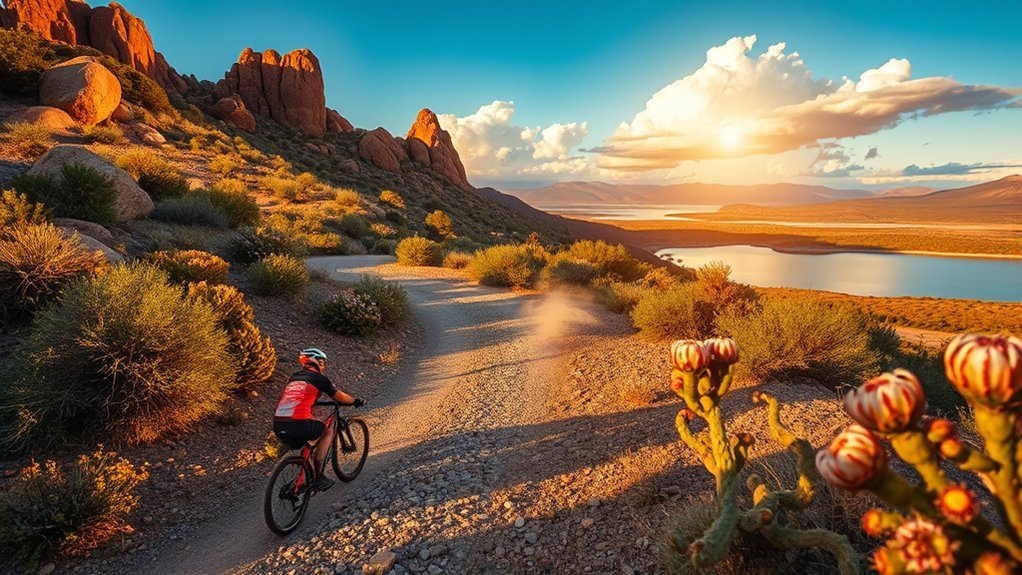
The Peavine Trail follows part of a former railroad corridor and is one of Prescott’s more approachable routes for biking, walking, and running. Its best-known scenery is around Watson Lake and the Granite Dells, not Whiskey Row or the immediate downtown core.
The trail has a broad, generally gentle corridor compared with many steeper mountain-bike routes in the region. It also connects with the Iron King Trail, making it possible to extend your outing.
Use the designated Peavine trailhead or another official access point shown on the City of Prescott trail map. Bring water, yield appropriately to other users, and slow down around blind bends or busy sections.
Visit the Elks Theatre and Performing Arts Center

Back downtown, the Elks Theatre and Performing Arts Center is a restored historic venue at 117 East Gurley Street. The opera house was completed in 1905 and is listed on the National Register of Historic Places.
The most dependable way to experience the building is to check its current calendar and attend a performance, event, or scheduled program. Do not assume a guided backstage tour is available every day.
- See a performance: the building still operates as an active arts venue.
- Notice the architecture: the restored theatre preserves its early-20th-century character.
- Check schedules: access beyond public event spaces can depend on programming.
- Pair it with downtown: the theatre is an easy walk from Courthouse Plaza.
Visit Heritage Park Zoological Sanctuary
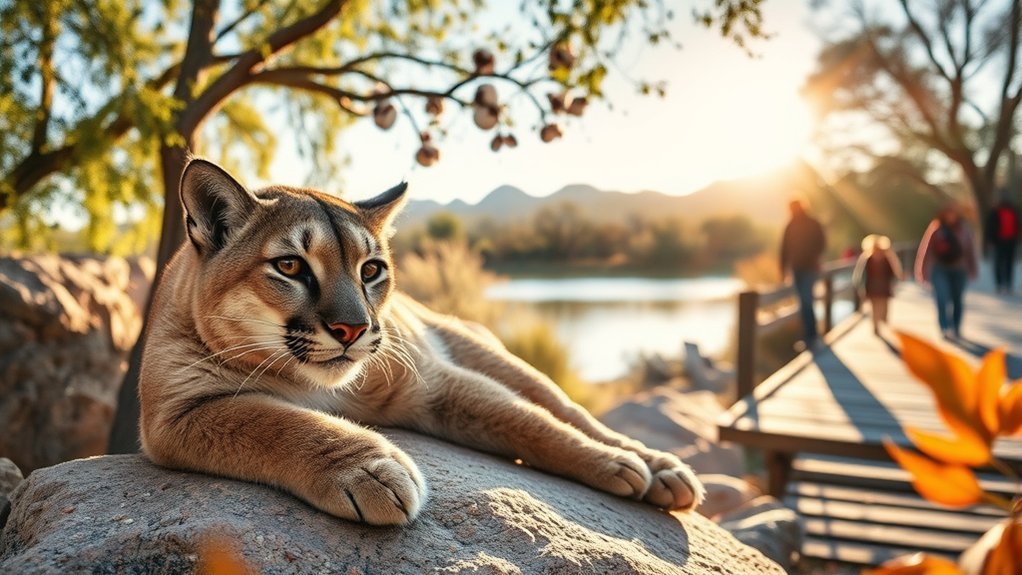
Heritage Park Zoological Sanctuary occupies about 10 acres near Willow Lake. The nonprofit provides permanent homes for native and exotic animals in need while emphasizing education and conservation.
Walking paths connect animal habitats with views of the surrounding high-country landscape. The property also includes family-oriented amenities such as a picnic pavilion and children’s areas. Because individual animals, programs, hours, and encounters can change, check the sanctuary’s current information before visiting.
Move quietly around habitats, follow staff instructions, and use binoculars or a zoom lens rather than trying to get closer than barriers allow. Families can combine the sanctuary with nearby Willow Lake for a broader half-day outing.
Hike the Constellation Trails for Granite Views
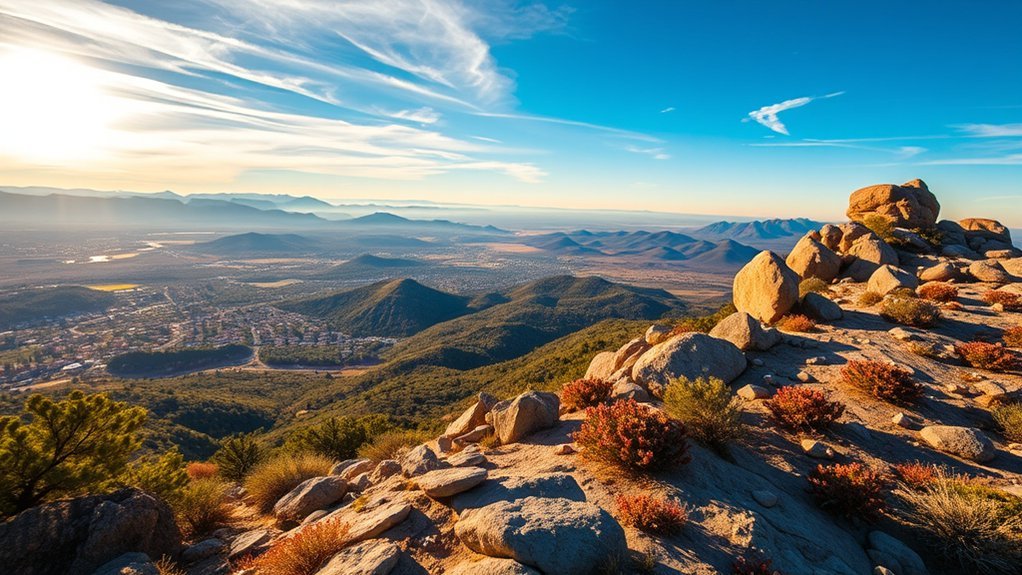
For a verified granite hiking experience north of downtown, use the Constellation Trails rather than planning around an uncertain “Castle Rock” route. The City maintains a network of interconnected trails across granite terrain near the Phippen Museum.
Trail Options & Difficulty
Constellation includes multiple interconnected choices, so difficulty depends on the route you assemble. Some sections are smooth and relatively gentle, while others cross uneven granite or involve moderate climbing.
- Choose by ability: use the current city trail map to build an appropriate loop.
- Expect variable footing: granite, gravel, and rocky transitions can be slick when wet.
- Carry water: exposed rock offers less shade than Prescott’s forested trails.
- Watch the sky: avoid exposed granite during thunderstorms.
Best Views
The appeal here is not one official summit. Instead, short rises and granite openings provide views across the surrounding Dells, forest, and urban edge. Move slowly enough to follow trail markers, especially where multiple paths intersect.
If you want photographs, early and late light creates more texture on the granite than harsh midday sun. For sunset, remember that the return route will be darker than the outbound walk, so carry a light and leave enough time to return safely.
Attend the World’s Oldest Rodeo at the Prescott Rodeo Grounds
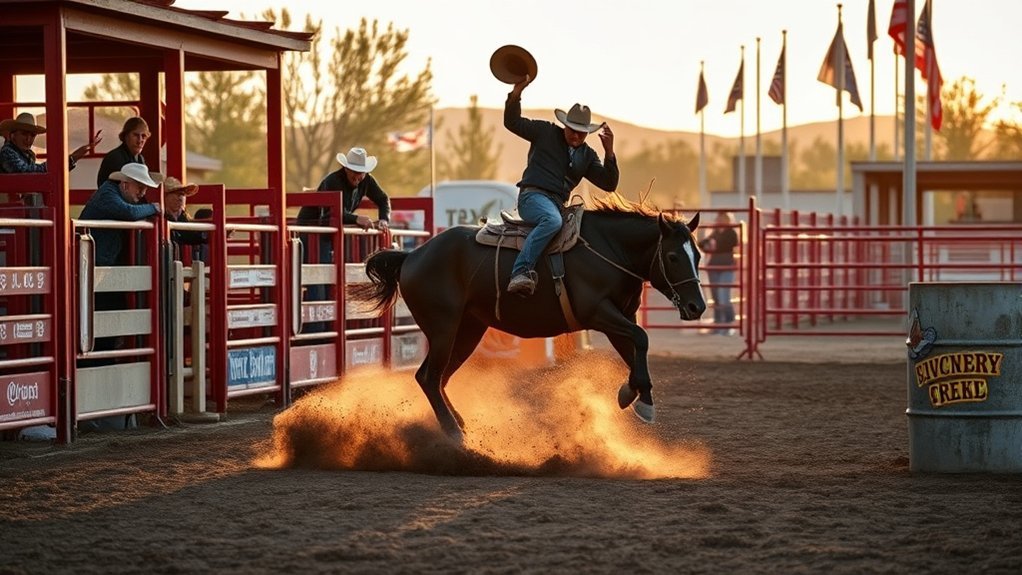
Prescott Frontier Days has staged its rodeo tradition since 1888 and remains one of Prescott’s signature annual events. Performances typically cluster around Independence Day, with events such as bull riding, barrel racing, roping, bronc riding, and other professional rodeo competitions.
Prescott’s rodeo tradition dates to 1888, making Frontier Days one of the city’s most enduring links between its Western history and present-day community life.
- Buy tickets through the official Prescott Frontier Days website.
- Confirm the year’s dates rather than assuming the same schedule every summer.
- Bring sun protection for daytime events and hearing protection for sensitive visitors.
- Expect traffic and heavier demand for lodging during Frontier Days.
Build Your Own Prescott Brewery Crawl

Rather than expecting one formal, permanent “Prescott Beer Trail,” build your own walk between downtown breweries, brewpubs, and taprooms that are operating during your visit. Businesses change more quickly than historic attractions, so use the current Prescott tourism directory or map app to check opening hours.
A tasting flight is an easy way to compare several styles without committing to a full serving at every stop. Eat along the way, drink water, and use a designated driver, rideshare, or another safe transportation option if you leave the walkable downtown area.
Prescott’s food-and-drink scene works best as a flexible evening activity after museums or outdoor sightseeing rather than as a rigid checklist of specific beers that may no longer be on tap.
Understand the Former Smoki Museum Name
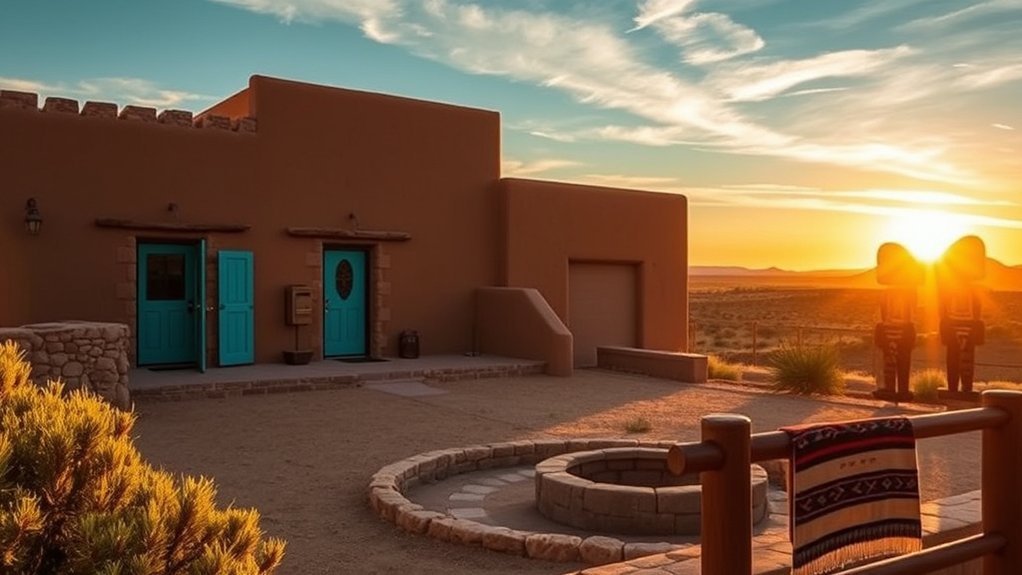
If an older guidebook sends you to the Smoki Museum, it is referring to the institution now called the Museum of Indigenous People. The museum was constructed in the 1930s and retained the Smoki name for decades before being renamed in February 2020 to better reflect its collections, mission, and relationship with Native communities.
The former name came from a non-Native Prescott organization and should be treated as part of the museum’s institutional history, not as the present attraction name.
The current institution is the Museum of Indigenous People. “Smoki Museum” is a former name that belongs in historical context rather than current visitor directions.
- Use the current name: Museum of Indigenous People.
- Read the museum’s own history: it explains why the name and mission evolved.
- Center Native voices: approach collections as living cultural history, not simply frontier decoration.
- Follow photography rules: some cultural objects may have restrictions.
Take a Scenic Drive to Mingus Mountain
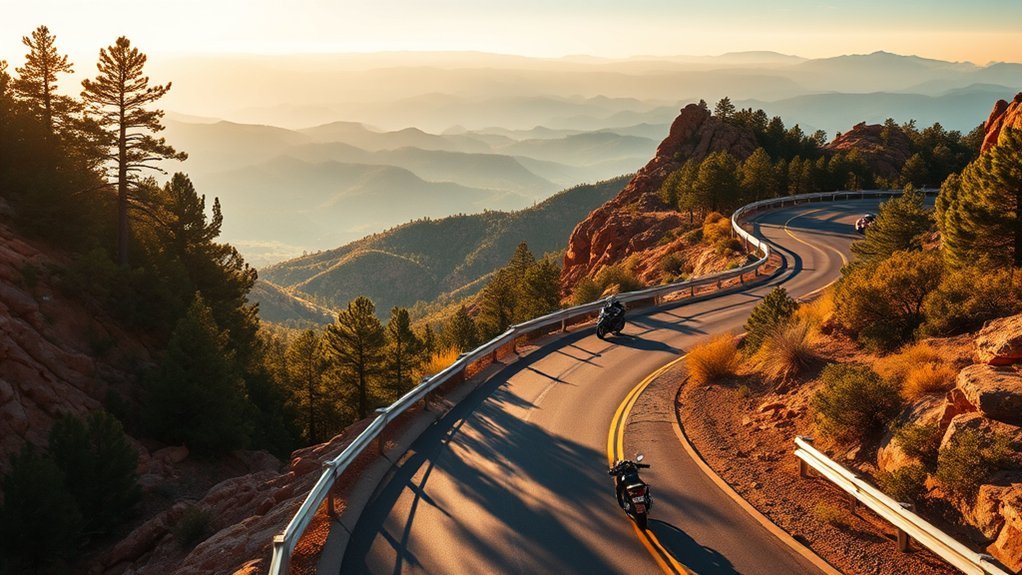
For a longer scenic outing, travel generally east and northeast from Prescott toward Prescott Valley and AZ-89A, then climb toward Mingus Mountain and Jerome. The route transitions from high-desert vegetation into cooler forest and broad views over the Verde Valley.
Mingus Mountain offers viewpoints, trails, picnic areas, and camping within Prescott National Forest. The highway includes curves and elevation changes, so drive conservatively and give slower or larger vehicles room.
Weather can differ significantly from Prescott, especially in winter or during thunderstorms. Check road and forest conditions before committing to a mountain loop. If you continue to Jerome, the drive becomes a natural day trip rather than a short in-town attraction.
Enjoy a Picnic at Lynx Lake Recreation Area
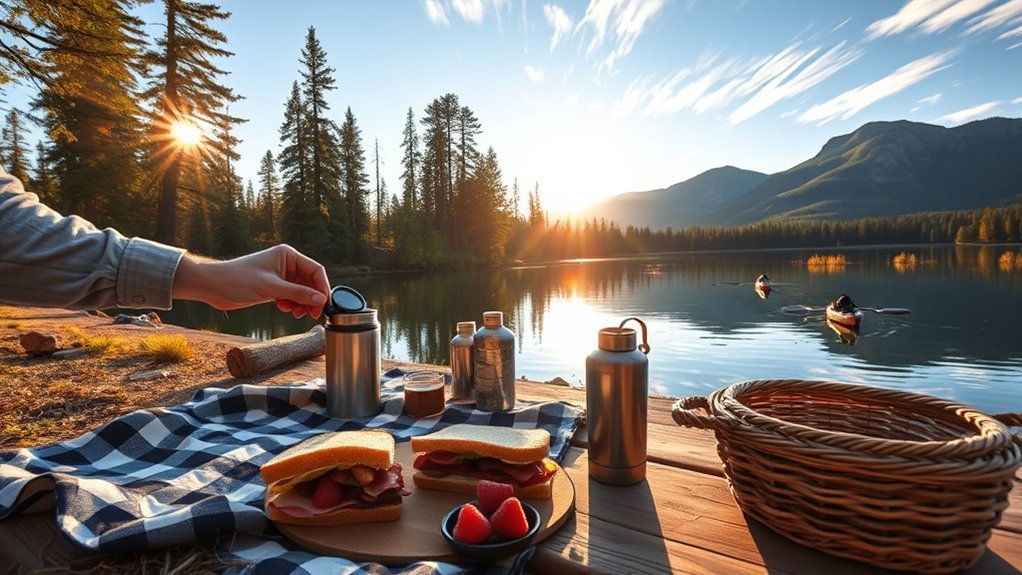
Lynx Lake is a 55-acre reservoir in Prescott National Forest with fishing, picnic sites, trails, and boating access. The North Shore day-use area provides picnic tables and grills, making it a practical choice for a slower afternoon away from downtown.
Scenic Lakeside Picnic Spots
The combination of pine forest and water makes Lynx Lake feel noticeably different from the exposed granite around Watson Lake. Pick a designated picnic site where possible, secure food from wildlife, and keep the shoreline clean.
- Choose shade during warm afternoons.
- Bring binoculars if birdwatching interests you.
- Pack reusable containers and carry out your waste.
- Keep wildlife wild by never feeding animals.
Picnic Table and Grill Options
The U.S. Forest Service lists picnic tables and grills at the North Shore day-use area. Do not assume grills can always be used: temporary fire restrictions can prohibit charcoal or open flame during dry periods.
Bring your own food, utensils, drinking water, and anything else you need for cleanup. Before lighting charcoal or another flame, check the current Prescott National Forest fire restrictions.
Hiking Access and Trails
Trails around the recreation area let you extend a picnic into a walk through pine forest and shoreline terrain. Choose a route that matches your available daylight and ability, and use an official map rather than following unmarked shortcuts.
- Choose a shorter walk for a relaxed afternoon.
- Carry water even when temperatures feel mild.
- Watch for ice or muddy footing in colder months.
- Leave shoreline vegetation and wildlife undisturbed.
Shop the Prescott Farmers Market
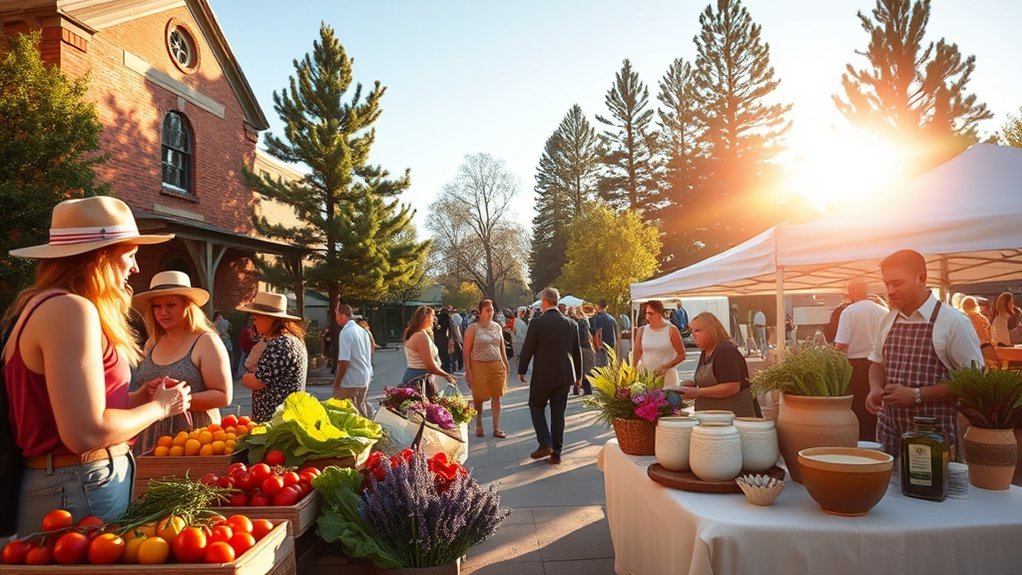
The Prescott Farmers Market is a worthwhile stop for local produce, baked goods, prepared food, and regional vendors, but it is not currently held on Courthouse Plaza.
As of August 2026, the Saturday market is listed at 900 Iron Springs Road, with the summer market running Saturday mornings. Because market seasons, locations, and hours can change, check the official site immediately before visiting.
Bring a reusable bag and arrive earlier if you want the widest produce selection. The market is better treated as its own stop rather than something you will automatically encounter while walking Whiskey Row.
Explore Historic Whiskey Row Saloon Interiors

Whiskey Row’s buildings tell a more complicated story than simply being untouched 19th-century saloons. A major fire destroyed much of downtown Prescott in July 1900, and reconstruction followed rapidly. That means many of today’s historic facades, interiors, and architectural details reflect rebuilding and later restoration as well as the frontier era.
- Look at the architecture: masonry buildings replaced many earlier wood structures after the 1900 fire.
- Read historic displays: established saloons and hotels often preserve photographs and stories.
- Ask specific questions: distinguish original material from restoration or reconstruction.
- Be considerate: many historic interiors remain active restaurants and bars rather than museums.
If you drink alcohol, plan transportation before starting a multi-stop evening.
Visit the Phippen Museum of Western Art & Heritage
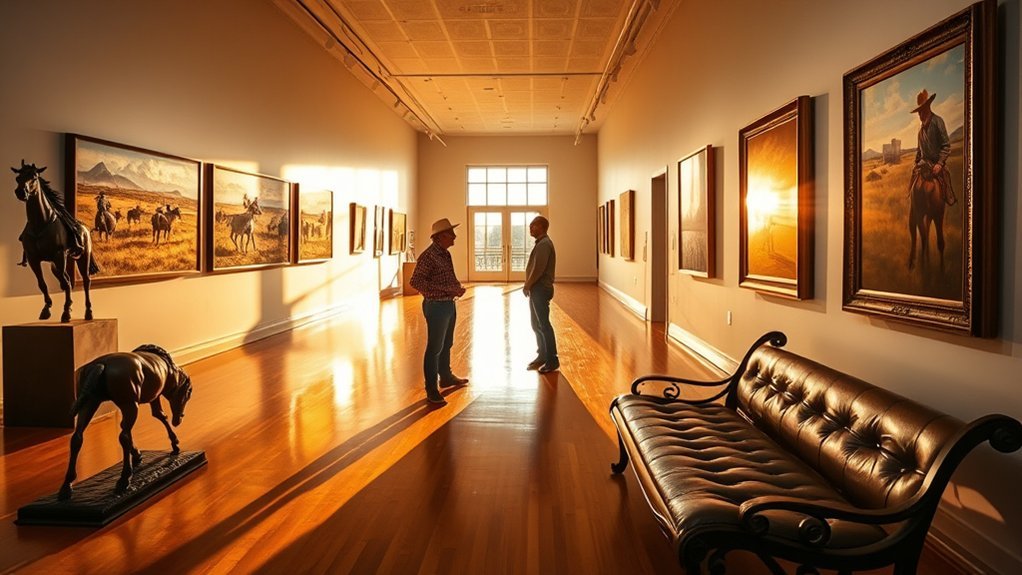
The Phippen Museum of Western Art & Heritage is at 4701 Highway 89 North, not a few downtown blocks from Whiskey Row. Its galleries focus on Western art, ranching culture, artists, and regional heritage.
The museum’s smaller scale makes it easy to pair with the nearby Constellation Trails or Heritage Park area. Check current exhibitions before you go because temporary shows rotate alongside permanent collections.
| Look For | Details | Why It Matters |
|---|---|---|
| Bronze sculpture | Form and surface texture | Shows how Western subjects are interpreted in three dimensions |
| Paintings | Landscape, ranching, portraits | Connects art to regional history |
| Heritage exhibits | Cowboy and ranching material | Adds context beyond purely decorative art |
Hike Prescott Circle Trail Segments
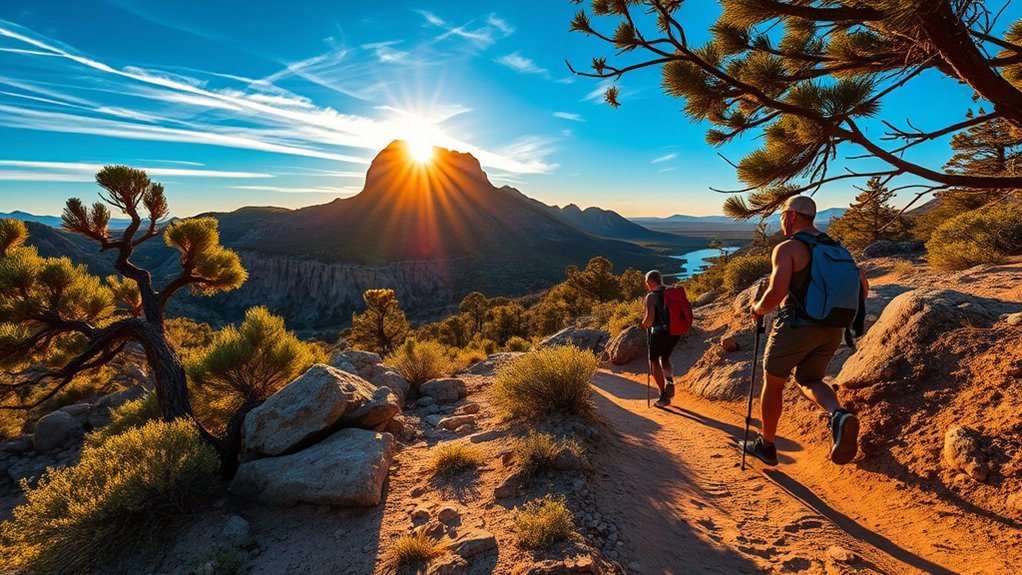
The Prescott Circle Trail forms a roughly 56-mile non-motorized loop around Prescott and combines City of Prescott and Prescott National Forest trails. You do not need to hike the entire loop: 15 trailheads provide access to individual segments.
That flexibility is the trail’s greatest strength. Choose a short section for a morning hike or connect multiple segments for a longer outing. Terrain varies considerably, so consult the city map for distance and elevation before starting.
- Match the segment to your fitness, daylight, and weather.
- Carry more water than you expect to need.
- Do not assume every segment has identical signage or shade.
- Pack out all trash and yield according to posted trail etiquette.
Go Wildlife Viewing in Prescott National Forest
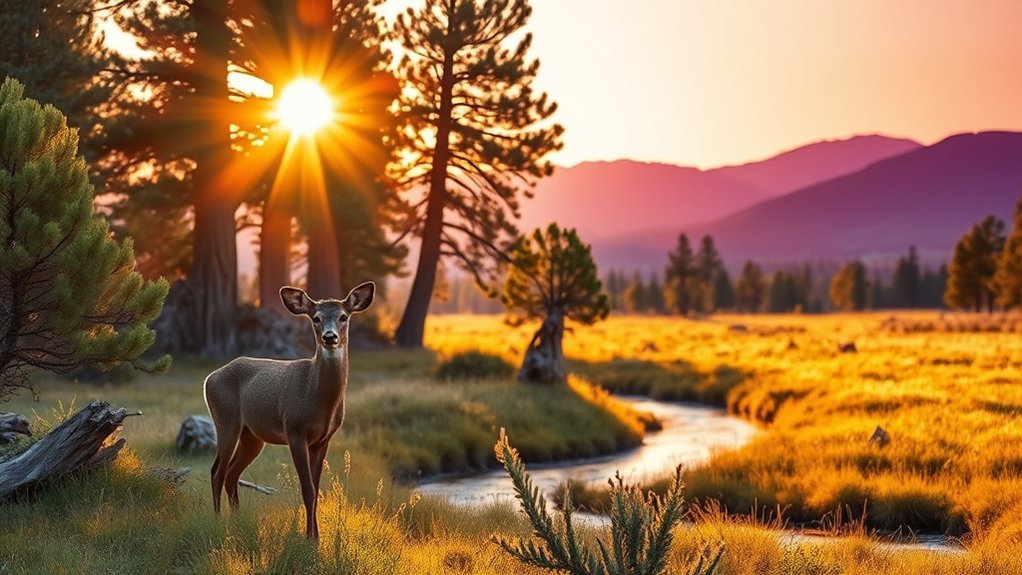
Prescott National Forest includes pine forest, oak woodland, grassland, riparian habitat, and rocky terrain, so wildlife viewing can vary considerably by elevation and season. Mule deer and a broad range of birds are among the more realistic animals to watch for, while reptiles become easier to notice in warm, sunny conditions.
Your best strategy is simple: start early, move quietly, use binoculars, and spend time at habitat edges rather than walking continuously. Avoid making promises about seeing a specific species because wildlife movements change with weather, water, food, and human activity.
Never approach, feed, corner, or follow wildlife for a photograph. Keep dogs controlled where required and give animals an escape route.
Watch Sunset from the Constellation Trails Area
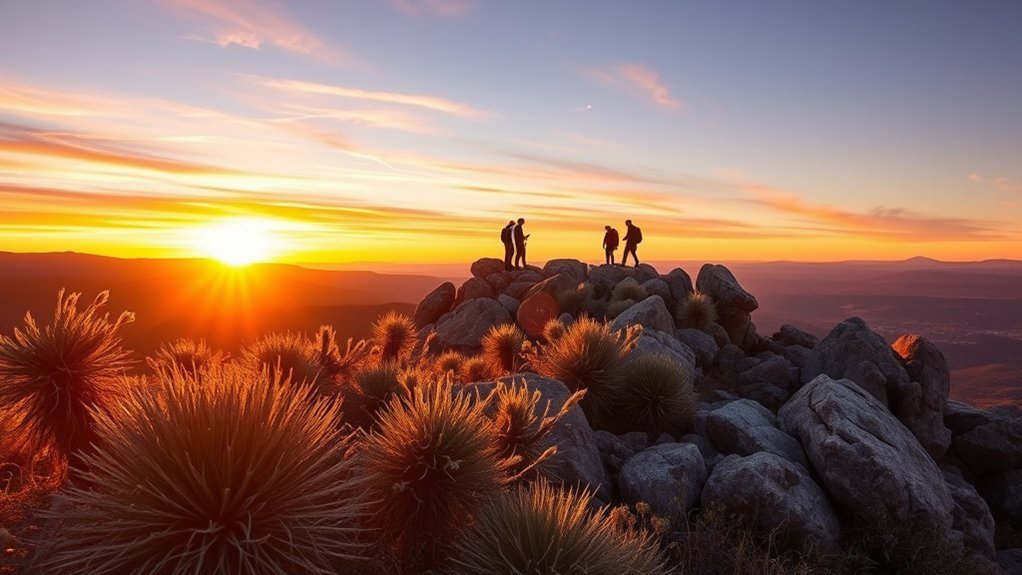
Older or informal references may call a viewpoint “Constellation Point,” but the established city recreation area is the Constellation Trails. Its granite terrain can make an attractive sunset outing when weather is stable.
- Choose a short route: do not begin a complicated loop shortly before dark.
- Carry a light: sunset means at least part of your return may be after dusk.
- Watch thunderstorms: exposed granite is a poor place to be during lightning.
- Leave no trace: stay on durable surfaces and established trails.
The goal is not a single named summit. Find a safe, legal viewpoint along your chosen route, enjoy the changing light, and return before navigation becomes difficult.
Join a Guided Ghost Tour of Downtown Prescott
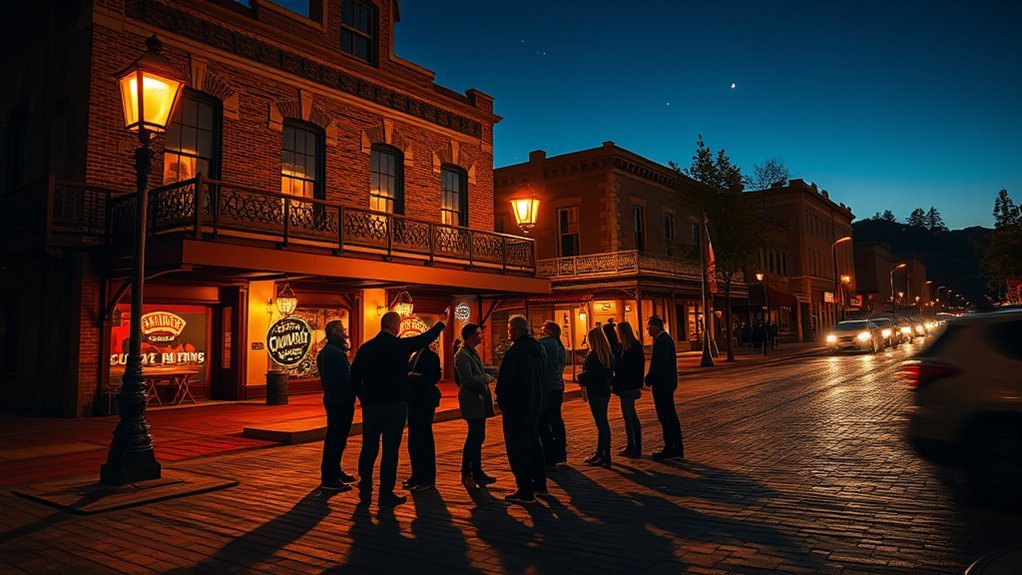
Prescott’s historic buildings and Old West reputation support several guided ghost and haunted-history tours. Current operators lead evening walks through downtown and use a mixture of documented history, local stories, legends, and entertainment.
Treat supernatural claims as storytelling rather than established historical fact. A good tour should still help you notice architecture, historic businesses, streets, fires, personalities, and events that are easy to overlook during the day.
Tour companies, routes, meeting points, prices, and schedules change. Check a current operator or the Prescott tourism listing before showing up. Wear comfortable shoes and bring a light layer because evenings can cool quickly.
Learn at the Museum of Indigenous People
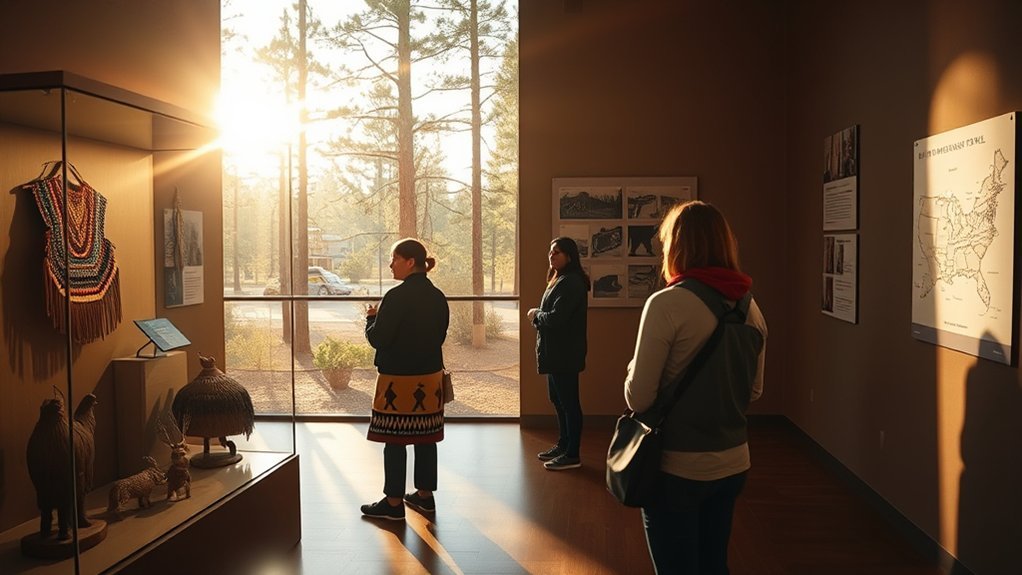
At the Museum of Indigenous People, collections and interpretation focus on Indigenous cultures, languages, histories, and art of the Southwest. The museum specifically acknowledges that its grounds are on the traditional lands of the Yavpe.
Rather than treating pottery, basketry, tools, clothing, and other objects as isolated curiosities, pay attention to how the museum connects them with living communities and cultural continuity. Read contemporary interpretation alongside historical material.
- Learn how utilitarian and artistic objects relate to everyday life.
- Give Native perspectives equal weight with older frontier narratives.
- Read the museum’s explanation of its institutional history and name change.
- Follow photography and cultural-sensitivity guidance inside exhibits.
Attend Seasonal Festivals and Events on Courthouse Plaza
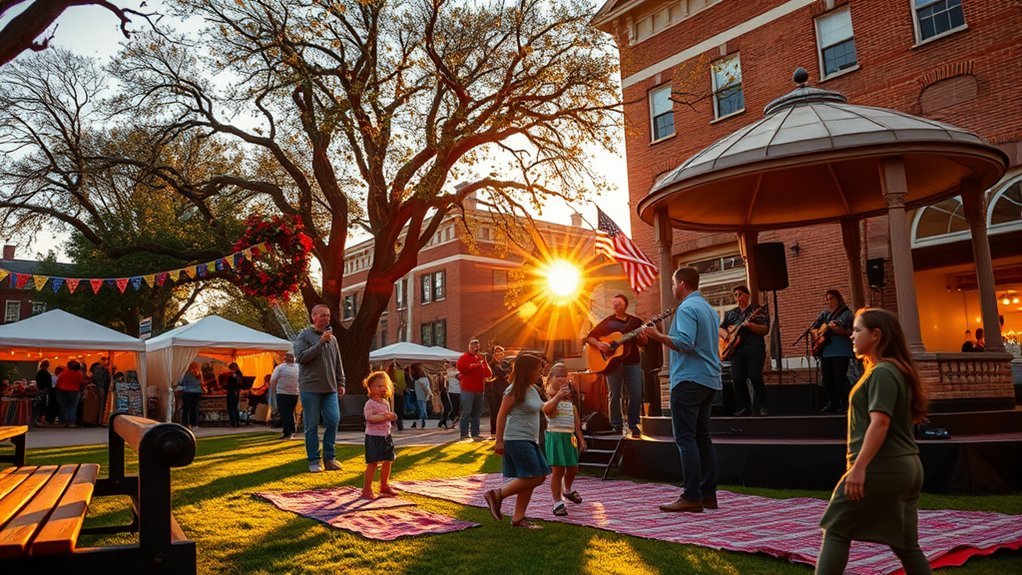
Courthouse Plaza remains a major setting for Prescott festivals, concerts, art shows, holiday activities, and community gatherings. What you can attend depends heavily on the month, so this is one part of the article where checking a current calendar matters more than following a permanent list.
Notable annual traditions include Prescott Frontier Days activities, the Phippen Museum’s Western Art Show & Sale around Memorial Day, summer entertainment, and Prescott’s well-known holiday season.
Use the Experience Prescott event calendar before your trip. Arrive early for large events because nearby parking and restaurants can fill quickly.
Relax at a Spa or Wellness Retreat in Town
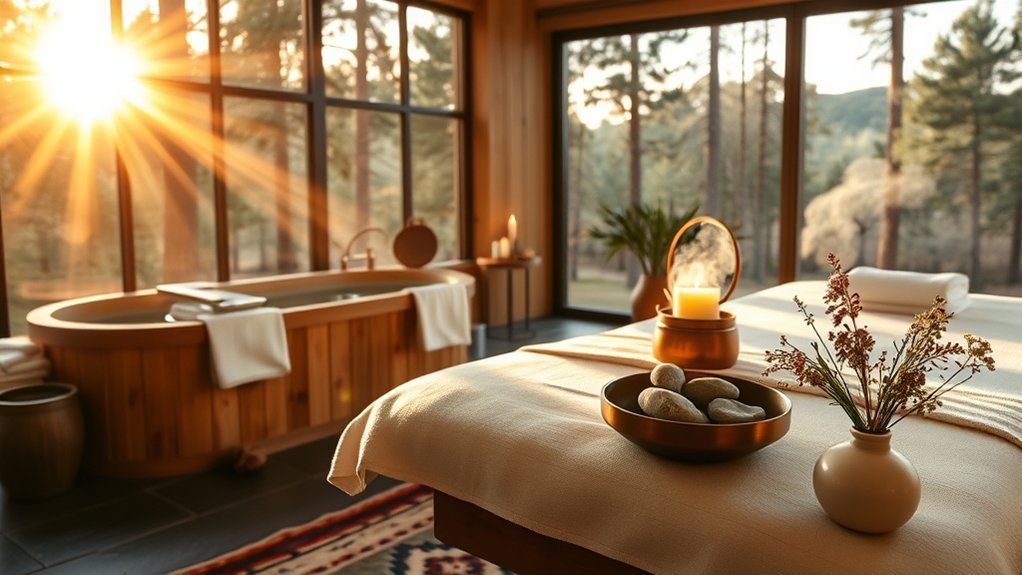
After several days of hiking, biking, or driving, a massage, yoga class, facial, or other wellness appointment can give you a quieter block of time. Prescott has independent spas, massage practices, fitness studios, and wellness businesses, but services and operators change regularly.
Search current providers based on the treatment you actually want, then review credentials, pricing, cancellation policies, and recent operating information before booking. Avoid assuming every business offers local-product treatments, salt rooms, hot-stone massage, or other specialty services unless its current menu confirms them.
- Choose a treatment that fits your schedule rather than rushing between attractions.
- Hydrate after a long hike before booking intensive bodywork.
- Confirm practitioner credentials when relevant.
- Book early during festival and holiday weekends.
Sources
- City of Prescott: Watson Lake — boating, fishing, trails, amenities, hours, parking, and no-swimming rule.
- City of Prescott: Prescott Trail System — official trail network and maps.
- U.S. Forest Service: Thumb Butte — official Thumb Butte recreation information.
- Sharlot Hall Museum: Historic Buildings — historic campus information and Governor’s Mansion rehabilitation status.
- Museum of Indigenous People: About MIP — current museum mission, institutional history, and former Smoki Museum name.
- National Weather Service: Northern Arizona Monsoon — monsoon timing, thunderstorms, and seasonal weather context.
Frequently Asked Questions
Is Prescott family-friendly with stroller access to main attractions?
Yes. Courthouse Plaza and many downtown sidewalks are stroller-friendly, and several museums and family attractions offer accessible areas. Natural trails can be rocky, steep, or uneven, so check each route before relying on a stroller. Heritage Park Zoological Sanctuary is another practical family stop.
What are typical summer temperatures and when is monsoon season?
Midsummer normal highs at Prescott Regional Airport are generally around the upper 80s to about 90°F, with nights often around the low 60s. The National Weather Service defines monsoon season as June 15 through September 30, although northern Arizona’s more consistent monsoon moisture often develops around early July.
Are there nearby airports and public transportation options?
Yes. The local airport is Prescott Regional Airport, Ernest A. Love Field (PRC), which has commercial airline service. Phoenix Sky Harbor is the major airport option for the wider region. Local transportation includes Yavapai Regional Transit and YAV Connect, but a rental car is useful for reaching lakes, forest trailheads, Mingus Mountain, and other outlying sights.
Which nearby towns make good day trips from Prescott?
Jerome is a strong choice for mining history, galleries, and hillside views. Cottonwood works well for Old Town dining and Verde Valley exploration, while Sedona offers red-rock scenery and a much larger hiking network. Prescott Valley and Chino Valley are closer options when you want a shorter drive.
Are pets allowed on Prescott trails and outdoor dining patios?
Dogs are allowed on many area trails, but leash requirements, wildlife closures, and site-specific restrictions vary. Restaurants also set their own patio policies. Check posted signs, carry waste bags and water, and never let a pet chase wildlife.
Can you swim at Watson Lake?
No. The City of Prescott lists swimming as prohibited at Watson Lake. You can still kayak, canoe, boat, fish, hike, picnic, and use other permitted recreation facilities.
What is the best time of year to visit Prescott?
Spring and fall are especially comfortable for hiking and sightseeing, while summer brings events and generally cooler conditions than Arizona’s lower deserts. Summer also overlaps with monsoon thunderstorms. Winter can be beautiful but may bring snow, ice, cold mornings, and changing trail conditions.
Do Prescott trailheads and lakes charge for parking?
Some do. City-managed recreation areas including Watson Lake, Willow Lake, Peavine Trailhead, and Constellation Trailhead may require a day-use parking fee. Forest Service recreation sites can have separate fee systems. Check the managing agency’s current page before your visit because prices and fee-free days can change.
Conclusion
Prescott works best when you mix its two personalities: the historic downtown built around Courthouse Plaza and Whiskey Row, and the outdoor landscape of Thumb Butte, Watson Lake, the Granite Dells, Peavine Trail, and Prescott National Forest. Add Sharlot Hall Museum, the Museum of Indigenous People, the Phippen Museum, or a rodeo event for deeper context.
Build your itinerary around the season, current trail and museum status, and how much driving you want to do. With those details checked in advance, Prescott can deliver an easy downtown afternoon, a full outdoor day, or a varied weekend of history, art, hiking, lake scenery, and Western culture.