Florence, often referred to as the Cradle of the Renaissance, is a city that embodies the spirit of artistic and intellectual rebirth that swept through Europe in the 14th to 17th centuries. Nestled in the heart of Tuscany, Florence is not just a geographical location; it is a living museum that showcases the brilliance of human creativity. The city is renowned for its stunning architecture, world-class art, and rich history, making it a must-visit destination for travelers seeking to immerse themselves in culture and beauty.
The legacy of luminaries such as Leonardo da Vinci, Michelangelo, and Botticelli can be felt in every corner, from the majestic Duomo to the intricate frescoes that adorn its churches. The historical significance of Florence extends beyond its artistic achievements. It was a center of trade and finance during the Middle Ages, which laid the groundwork for its cultural flourishing.
The Medici family, who rose to prominence in the 15th century, played a pivotal role in fostering the arts and sciences, transforming Florence into a hub of innovation. Today, visitors can walk through the same streets that inspired great thinkers and artists, experiencing firsthand the vibrant atmosphere that continues to captivate millions. With its blend of history, art, and modern life, Florence offers an unparalleled experience that invites exploration and discovery.
Key Takeaways
- Florence is known as the Cradle of the Renaissance, a city rich in history, art, and culture.
- Day 1: Explore Florence’s historic center, including iconic landmarks like the Duomo, Ponte Vecchio, and Piazza della Signoria.
- Day 2: Immerse yourself in Florence’s art and culture by visiting world-renowned museums like the Uffizi Gallery and the Accademia Gallery.
- Day 3: Venture beyond the city center to discover the charming neighborhoods of Oltrarno and the beautiful Boboli Gardens.
- Accommodation options in Florence range from luxury hotels in the city center to budget-friendly guesthouses and apartments.
- Dining options in Florence cater to every budget, from traditional trattorias and street food vendors to upscale restaurants and wine bars.
- Navigating Florence’s public transportation is easy with options like buses, trams, and the efficient train system for exploring nearby towns.
- Don’t miss Florence’s top landmarks and museums, including the Florence Cathedral, the Pitti Palace, and the Bargello Museum.
- Discover off-the-beaten-path gems in Florence, such as the Brancacci Chapel, the Vasari Corridor, and the hidden courtyards of Palazzo Vecchio.
- Shop for unique souvenirs and local goods in Florence’s markets, artisan workshops, and boutiques, from leather goods and ceramics to gourmet food products.
- First-timers to Florence should make the most of their visit by booking skip-the-line tickets, learning a few Italian phrases, and taking time to savor the city’s culinary delights.
Day 1: Exploring Florence’s Historic Center
Discovering the Heart of Florence
Begin your journey at the Piazza della Signoria, a bustling square that serves as the city’s political heart. Here, you can admire the imposing Palazzo Vecchio, a fortress-like structure that has stood since the 14th century. The square is also home to a replica of Michelangelo’s David, which stands proudly in front of the Palazzo.
Unveiling the City’s Artistic Treasures
As you wander through this vibrant area, take a moment to appreciate the intricate sculptures that adorn the Loggia dei Lanzi, where masterpieces like Cellini’s Perseus can be found.
Marveling at the Florence Cathedral
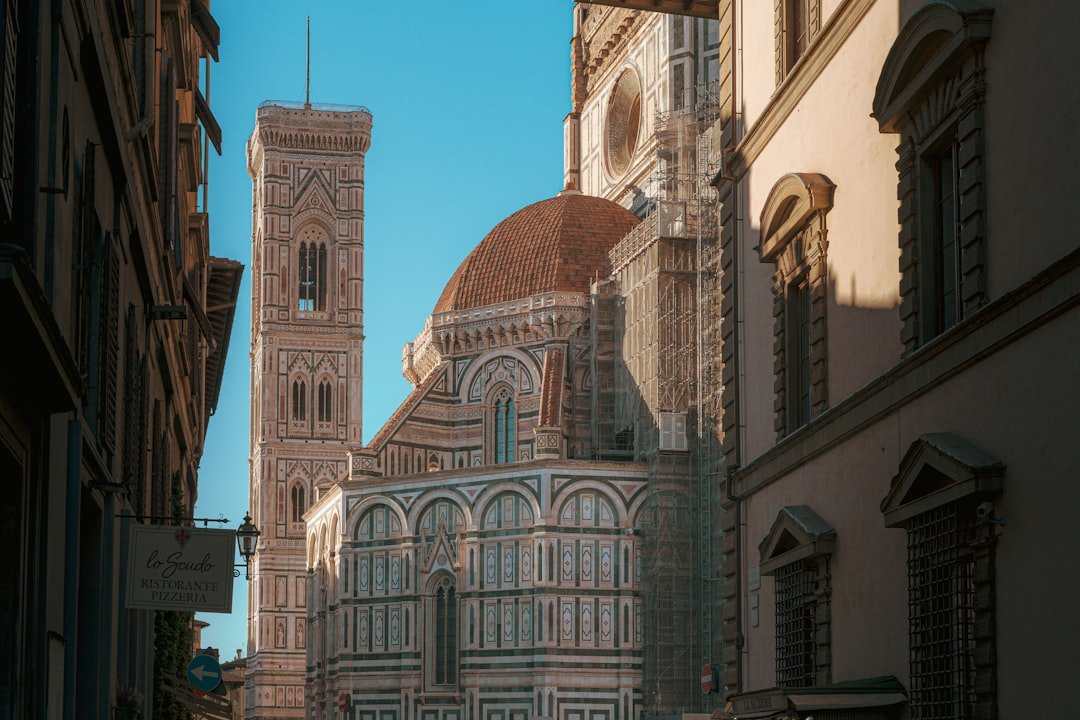
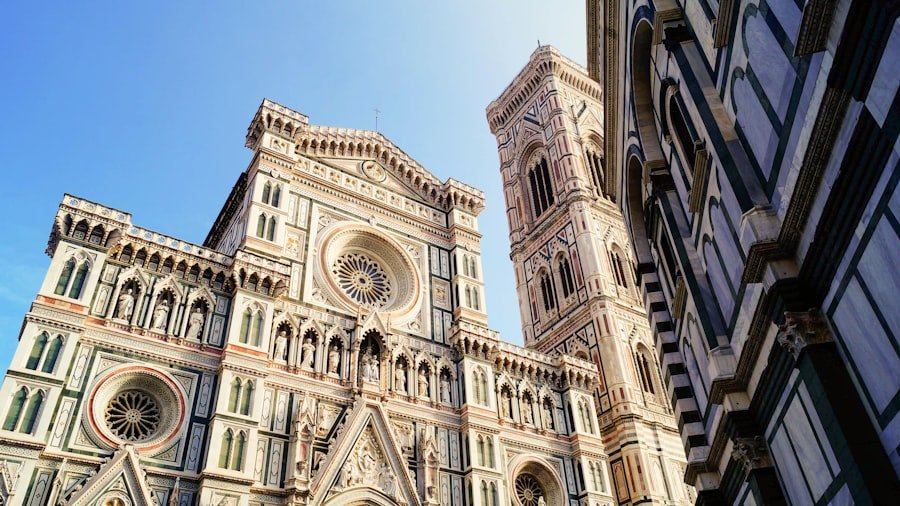
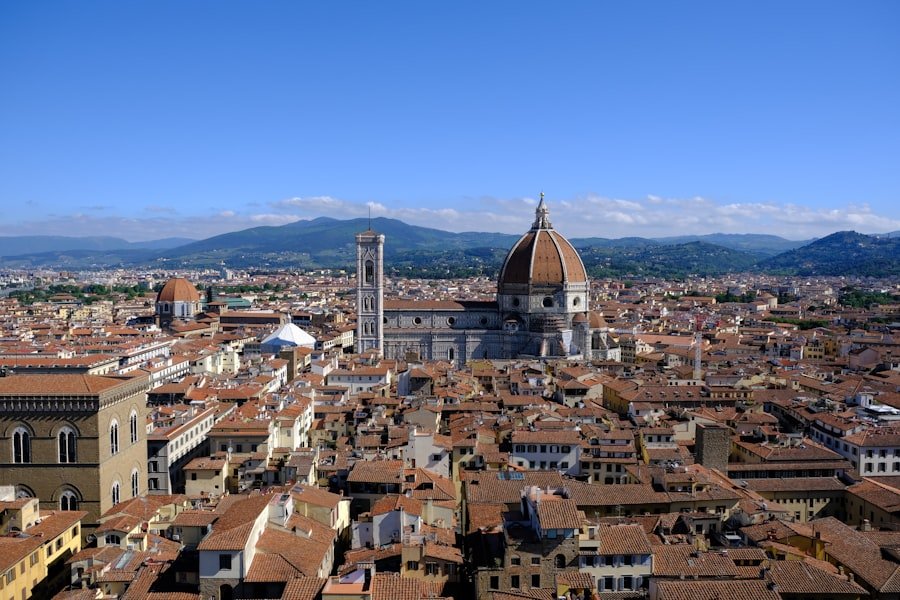
From Piazza della Signoria, make your way to the breathtaking Florence Cathedral, or Duomo. Its striking dome, designed by Filippo Brunelleschi, dominates the skyline and is an architectural marvel of its time. Climbing to the top of the dome offers not only a close-up view of its stunning frescoes but also panoramic vistas of the city below. After descending, take a leisurely stroll through the nearby Piazza del Duomo, where you can visit the Baptistery of St. John, known for its exquisite bronze doors, including Ghiberti’s “Gates of Paradise.”
Day 2: Immersing Yourself in Florence’s Art and Culture
The second day in Florence is dedicated to delving deeper into its artistic treasures. Start your morning at the Uffizi Gallery, one of the most famous art museums in the world. Home to an unparalleled collection of Renaissance masterpieces, including works by Botticelli, Raphael, and Caravaggio, the Uffizi is a paradise for art lovers.
As you navigate through its halls, take your time to absorb the stories behind each painting and sculpture. The museum’s layout allows for a chronological journey through art history, providing context for the evolution of styles and techniques. After exploring the Uffizi, head to the Accademia Gallery to see Michelangelo’s original David.
This iconic statue is not just a representation of biblical heroism; it embodies the ideals of Renaissance humanism. Standing at over 17 feet tall, David captures a moment of intense concentration before battle, showcasing Michelangelo’s mastery of form and detail. The Accademia also houses other notable works by Michelangelo and various artists from different periods.
Following your artistic immersion, consider visiting one of Florence’s many artisan workshops to witness traditional crafts such as leather-making or goldsmithing. Engaging with local artisans provides insight into Florence’s enduring commitment to craftsmanship and creativity.
Day 3: Venturing Beyond the City Center
| Activity | Location | Distance from City Center |
|---|---|---|
| Hiking | Mountain Trail | 10 miles |
| Scenic Drive | Countryside | 15 miles |
| Picnic | Lakeside Park | 8 miles |
On your final day in Florence, take a break from the bustling city center and venture into the surrounding Tuscan countryside. A short bus or train ride will lead you to Fiesole, a charming hilltop town that offers stunning views of Florence and its surroundings. Fiesole is rich in Etruscan and Roman history; you can explore ancient ruins such as the Roman theater and temple remains while enjoying a peaceful atmosphere away from the crowds.
The town’s picturesque streets are lined with cafes and shops where you can savor local delicacies or purchase handmade goods. Another option for your third day is to visit the picturesque village of San Gimignano, famous for its medieval towers and beautiful landscapes. Known as the “Medieval Manhattan,” San Gimignano boasts a skyline punctuated by its well-preserved towers that date back to the 14th century.
Stroll through its narrow streets filled with artisan shops and gelaterias offering some of Italy’s best gelato. Don’t miss visiting the Collegiate Church of Santa Maria Assunta, adorned with stunning frescoes that depict biblical scenes. Whether you choose Fiesole or San Gimignano, this day allows you to experience Tuscany’s natural beauty and rich heritage while providing a refreshing contrast to Florence’s urban vibrancy.
Where to Stay: Accommodation Options in Florence
When it comes to accommodation in Florence, visitors are spoiled for choice with options ranging from luxurious hotels to charming guesthouses and budget-friendly hostels. For those seeking an upscale experience, hotels like Hotel Brunelleschi or The St. Regis Florence offer opulent rooms with stunning views of historical landmarks such as the Duomo or the Arno River.
These establishments often feature fine dining options and spa services that enhance your stay in this enchanting city. For travelers on a budget or those looking for a more intimate experience, numerous guesthouses and bed-and-breakfasts provide comfortable lodging with personalized service. Places like Casa Howard or La Residenza are known for their warm hospitality and unique decor that reflects Florentine charm.
Additionally, hostels such as Plus Florence offer affordable dormitory-style accommodations with modern amenities and social spaces for meeting fellow travelers. Regardless of your budget or preferences, Florence has an array of options that cater to every type of visitor.
Where to Eat: Dining Options for Every Budget
Florence is not only a feast for the eyes but also for the palate. The culinary scene here is rich with traditional Tuscan flavors that reflect the region’s agricultural bounty. For an authentic dining experience without breaking the bank, consider visiting local trattorias such as Trattoria Mario or Osteria Vini e Vecchi Sapori.
These establishments serve classic dishes like ribollita (a hearty vegetable soup) and pappa al pomodoro (tomato bread soup) in a cozy atmosphere filled with locals. For those looking to indulge in fine dining, restaurants like Enoteca Pinchiorri offer exquisite tasting menus paired with exceptional wines from Tuscany and beyond. This Michelin-starred establishment combines innovative culinary techniques with traditional recipes to create unforgettable dining experiences.
Additionally, don’t miss out on trying Florentine steak (bistecca alla fiorentina), a thick cut of beef grilled to perfection that is best enjoyed at renowned steakhouses like Trattoria da Burde or Il Latini.
Getting Around: Navigating Florence’s Public Transportation
Florence is a compact city that lends itself well to exploration on foot; however, it also offers various public transportation options for those who prefer not to walk long distances. The city’s bus system is operated by ATAF and provides convenient access to different neighborhoods and attractions outside the historic center. Buses are generally reliable and run frequently throughout the day; purchasing tickets at kiosks or on board is straightforward.
For those venturing further afield into Tuscany or neighboring cities like Pisa or Siena, trains are an excellent option. The Santa Maria Novella train station is centrally located and connects Florence with major destinations across Italy. High-speed trains make travel quick and comfortable, allowing you to maximize your time exploring both Florence and its surrounding regions.
While public transportation is efficient, many visitors find that walking through Florence’s enchanting streets reveals hidden gems that are easily missed when traveling by bus or train.
Must-See Attractions: Florence’s Top Landmarks and Museums
Florence boasts an impressive array of landmarks and museums that are essential stops on any itinerary. The Uffizi Gallery stands out as one of the most significant art museums globally, housing masterpieces from renowned artists such as Titian and Michelangelo alongside Botticelli’s iconic “The Birth of Venus.” Another must-visit site is the Palazzo Vecchio, where visitors can explore grand halls adorned with frescoes depicting historical events while learning about Florence’s political history. The Ponte Vecchio is another iconic landmark worth visiting; this medieval stone bridge lined with shops offers picturesque views over the Arno River.
It has been a center for goldsmiths and jewelers since its inception in the 14th century. Additionally, no trip would be complete without visiting Santa Croce Basilica, where notable figures like Michelangelo and Galileo are buried amidst stunning Gothic architecture and beautiful frescoes by Giotto.
Hidden Gems: Off-the-Beaten-Path Discoveries in Florence
While Florence is famous for its major attractions, it also harbors numerous hidden gems waiting to be discovered by curious travelers. One such gem is the Bardini Garden (Giardino Bardini), an enchanting hillside garden that offers breathtaking views over Florence while providing a serene escape from bustling tourist spots. The garden features beautifully landscaped terraces adorned with flowers and sculptures that reflect Renaissance aesthetics.
Another lesser-known treasure is the Museo di San Marco, located in a former Dominican convent. This museum houses an impressive collection of works by Fra Angelico along with beautifully preserved monk cells featuring his frescoes. The tranquil atmosphere allows visitors to appreciate art in a contemplative setting away from larger crowds found in more popular museums.
Shopping in Florence: Finding Unique Souvenirs and Local Goods
Florence is renowned for its artisanal craftsmanship, making it an ideal destination for shopping enthusiasts seeking unique souvenirs and local goods. The San Lorenzo Market is a bustling hub where visitors can find leather goods ranging from handbags to jackets crafted by skilled artisans using traditional techniques. Bargaining is common here; engaging with vendors can lead to delightful conversations about their craft.
For those interested in fine jewelry or goldsmithing, a stroll along Ponte Vecchio reveals numerous shops showcasing exquisite pieces crafted by local artisans. Additionally, Via de’ Tornabuoni is home to high-end fashion boutiques featuring both Italian designers and international luxury brands. Whether you’re searching for handmade ceramics or high-quality textiles, Florence offers an abundance of shopping opportunities that reflect its rich cultural heritage.
Tips for First-Timers: Making the Most of Your 3 Days in Florence
To maximize your experience during your three days in Florence, consider purchasing timed entry tickets for popular attractions like the Uffizi Gallery and Accademia Gallery in advance to avoid long lines. Early mornings are often less crowded at major sites; visiting during these hours allows for a more intimate experience with art and architecture. Additionally, take advantage of guided tours that provide insights into Florence’s history and culture from knowledgeable locals who can share stories often overlooked by guidebooks.
Lastly, don’t forget to indulge in local cuisine; trying regional specialties at various eateries will enhance your understanding of Tuscan culture while satisfying your taste buds. By following these tips and immersing yourself fully in what Florence has to offer—from its breathtaking art to its rich history—you will create lasting memories during your visit to this remarkable city that continues to inspire generations around the world.
If you’re looking to explore more of Italy after visiting Florence, consider taking a trip to the charming city of Venice. This article on Asian melons will give you a taste of the unique and delicious fruits you can find in the markets of Venice. With its picturesque canals and stunning architecture, Venice is a must-see destination for any traveler in Italy.
FAQs
What is a 3-day itinerary for first-timers in Florence?
A 3-day itinerary for first-timers in Florence is a suggested plan for visiting the city’s main attractions and experiencing its culture, history, and cuisine over a three-day period.
What are some must-see attractions in Florence for first-timers?
Must-see attractions in Florence for first-timers include the Duomo, Uffizi Gallery, Accademia Gallery (home to Michelangelo’s David), Ponte Vecchio, Palazzo Vecchio, and the Pitti Palace.
What are some recommended activities for first-timers in Florence?
Recommended activities for first-timers in Florence include taking a guided walking tour of the city, visiting the Boboli Gardens, enjoying a sunset at Piazzale Michelangelo, and indulging in the local cuisine at the Mercato Centrale.
What are some tips for first-timers visiting Florence?
Some tips for first-timers visiting Florence include purchasing skip-the-line tickets for popular attractions, wearing comfortable shoes for walking, being mindful of pickpockets in crowded areas, and making restaurant reservations in advance.
What is the best time of year to visit Florence for first-timers?
The best time of year to visit Florence for first-timers is during the spring (April to June) or fall (September to October) when the weather is mild, and the city is less crowded compared to the peak summer months.