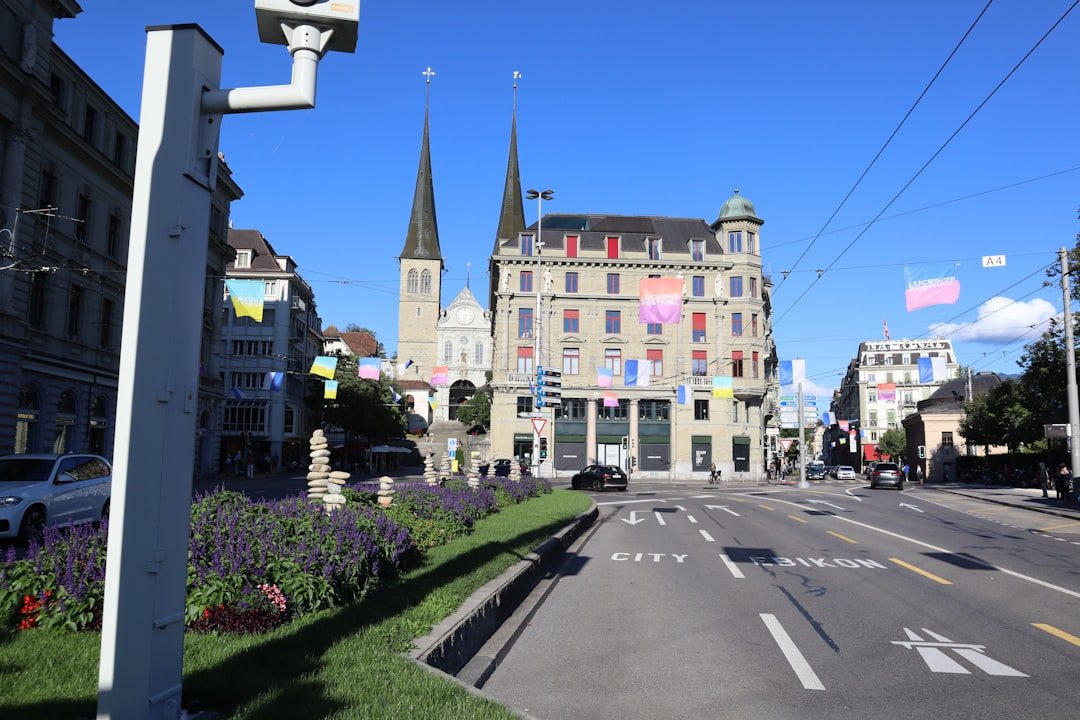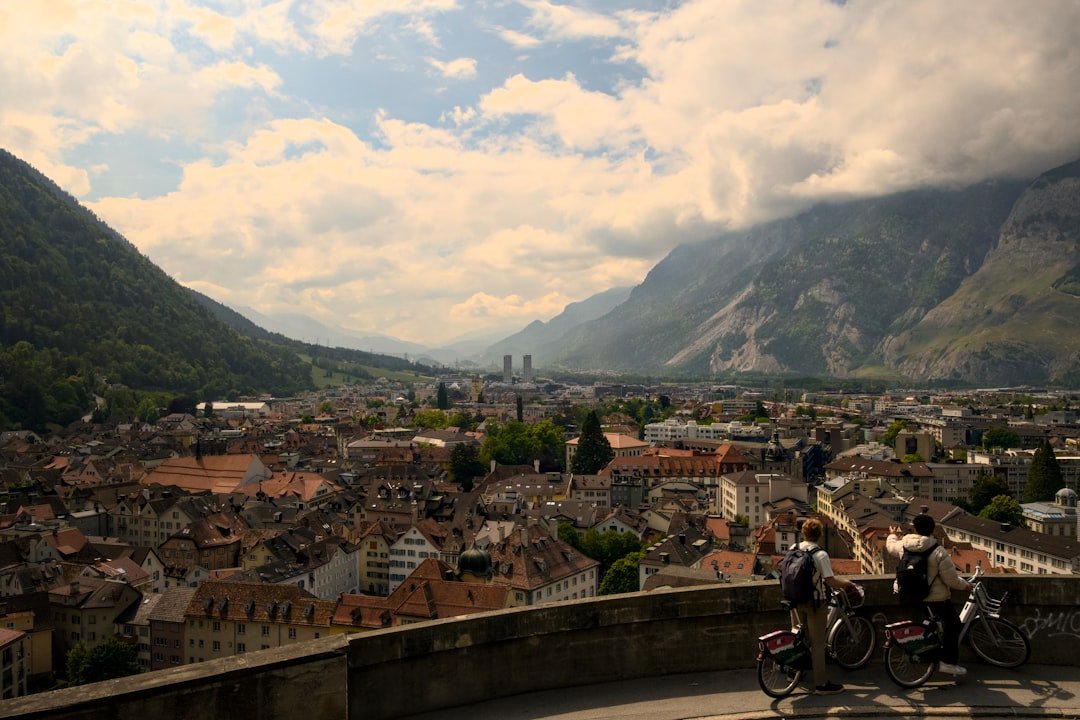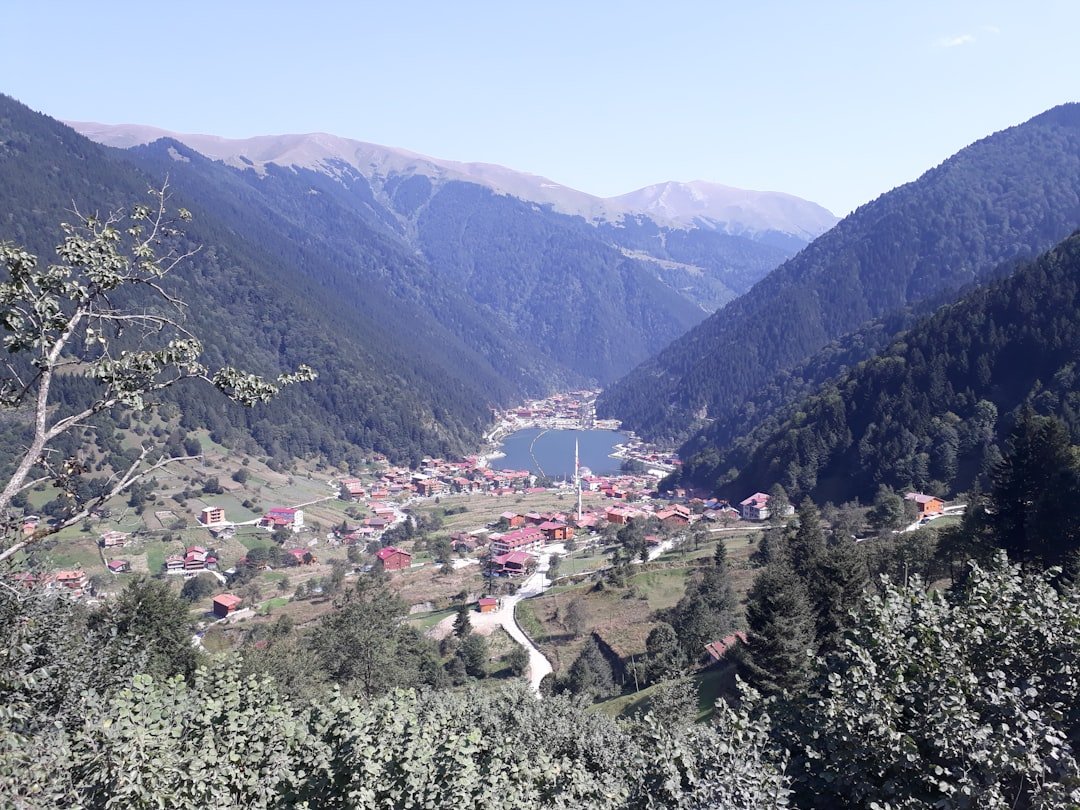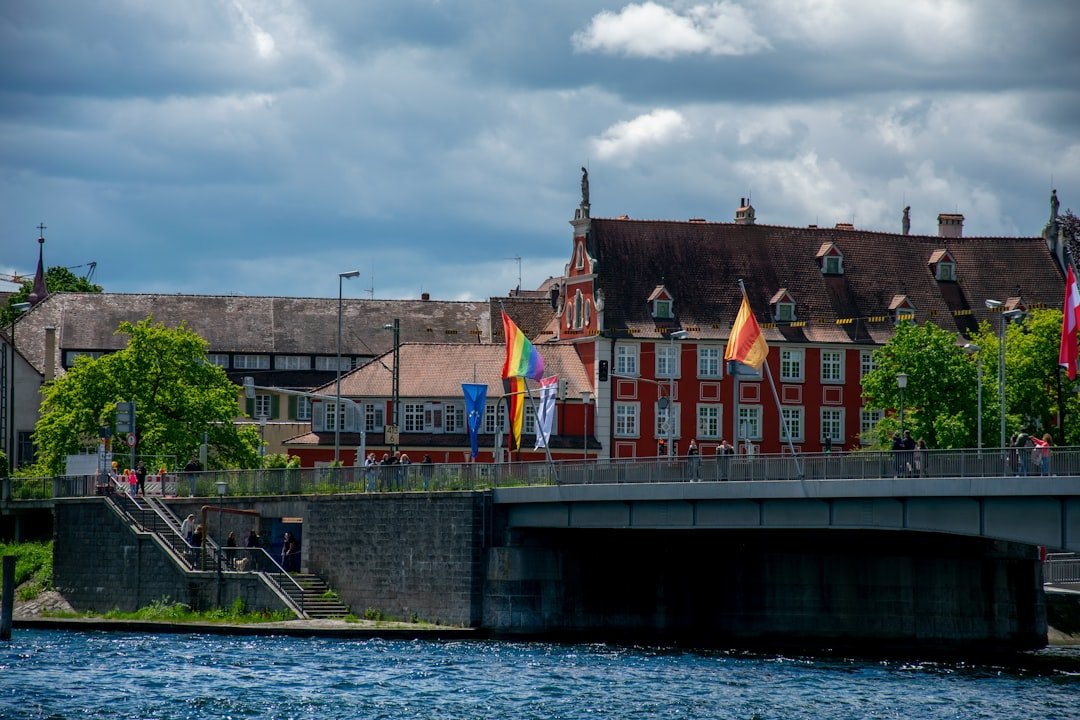
Lake Constance, known as Bodensee in German, stretches across Germany, Austria, and Switzerland at the northern edge of the Alps. Its waterfront cities, medieval towns, gardens, museums, cycling routes, passenger boats, and mountain views make it especially rewarding for travelers who want to combine several countries in one compact region.
Quick Answer
Lake Constance is best explored over two to four days, using towns such as Konstanz, Lindau, Bregenz, Friedrichshafen, or Meersburg as a base. Highlights include Mainau Island, UNESCO-listed Reichenau, Meersburg Castle, the Zeppelin Museum, lakeside cycling, passenger-boat trips, historic towns, and easy cross-border excursions.
Key Takeaways
- Lake Constance borders Germany, Austria, and Switzerland and works well for a multi-country trip without long travel distances.
- Mainau, Reichenau, Meersburg, Konstanz, Lindau, Bregenz, and Friedrichshafen are among the most useful places to include.
- Konstanz is a practical base for the western lake, while Lindau and Bregenz work well for the eastern shore and nearby Alpine viewpoints.
- Sailing, swimming, cycling, kayaking, and paddleboarding are popular, but weather conditions on the lake can change quickly.
- The Bodensee Card PLUS mainly covers attractions and selected boat travel, while the Bodensee Ticket is designed primarily for cross-border local public transport.
Planning a Lake Constance trip
Lake Constance is one of Central Europe’s largest freshwater lakes. Rather than treating it as a single resort, it helps to think of the area as a collection of distinct shores and towns connected by trains, buses, ferries, passenger boats, cycling routes, and roads.
The German shore contains major destinations including Konstanz, Meersburg, Friedrichshafen, Lindau, Überlingen, Mainau, and Reichenau. Bregenz and Hard provide convenient access from Austria, while Romanshorn and the canton of Thurgau offer Swiss lakefront experiences. St. Gallen, although inland, is a useful cultural day trip from the Swiss side.
Best time to visit Lake Constance
Late spring through early autumn is the easiest period for travelers focused on boating, cycling, swimming, gardens, and long days outdoors. Mainau’s gardens change dramatically with the seasons, while many passenger-boat services operate most extensively during the warmer part of the year.
Spring is particularly attractive for flowers and lighter crowds. Summer offers the widest choice of outdoor activities but is also the busiest period. September and early autumn can suit travelers interested in cycling, vineyards, local food, and quieter towns. Winter is less suitable for a water-sports trip, but historic centers, museums, Christmas markets, and regional day trips can still make the area worthwhile.
Note: Boat schedules, attraction hours, cable cars, and seasonal activities change through the year. Check the current timetable for the particular route or attraction rather than assuming summer schedules apply year-round.
How many days do you need?
Two days are enough for a focused first visit, especially if you stay in one part of the lake. Three or four days allow you to combine the western and eastern shores without rushing. Travelers planning a full circuit, several museums, Alpine side trips, or significant cycling time can easily spend five to seven days in the region.
Top attractions and activities around Lake Constance
One of the best-known attractions is Mainau Island, often called the Flower Island. The roughly 20-hectare island combines seasonal flower displays, mature trees, gardens, a butterfly house, and a Baroque palace setting. Its views across Lake Constance toward the surrounding landscape also make it worthwhile beyond peak flowering season.
Another major stop is Meersburg. The town rises above the lakeshore with steep streets, old buildings, wine culture, and views across the water. Meersburg Castle describes itself as Germany’s oldest inhabited castle and contains more than 30 furnished rooms open to visitors.
In Friedrichshafen, the Zeppelin Museum explores the history of airships and Zeppelin technology. It is one of the strongest rainy-day options around the lake and pairs naturally with a walk along Friedrichshafen’s waterfront.
Travelers interested in medieval history should also make room for Reichenau. The island is a UNESCO World Heritage site whose Benedictine monastery was founded in 724. Its surviving churches preserve important examples of early medieval monastic architecture and art.
Pro Tip: Do not try to circle the entire lake by road every day. Choose one side as your base, group nearby sights together, and use boats or ferries strategically when they save a long drive around the shoreline.
Best places to stay and dine around Lake Constance
Where you stay should depend on which part of Lake Constance you want to explore rather than on finding a single universally “best” town.
- Konstanz: A strong all-round base for Mainau, Reichenau, the western lake, museums, restaurants, trains, and the ferry toward Meersburg.
- Meersburg: Best for a smaller historic-town atmosphere, castle views, wineries, and easy access to the north shore.
- Friedrichshafen: Convenient for the Zeppelin Museum, rail connections, and the ferry toward Romanshorn in Switzerland.
- Lindau: A scenic choice for travelers who want a historic island center, waterfront dining, and access to the eastern lake.
- Bregenz: Particularly useful for Austrian attractions, the Pfänder area, the Bregenz Festival, and excursions toward Vorarlberg.
- Überlingen: A quieter German-shore option with a promenade, historic center, and convenient access to the northwestern lake.
Accommodation ranges from larger waterfront hotels to guesthouses, apartments, pensions, and campgrounds. Lake-view rooms often carry a premium, so travelers who mainly need a comfortable base can save money by staying a few streets inland or near a rail station.
Dining around the lake combines German, Austrian, Swiss, and regional influences. Depending on the town and season, menus may include local lake fish, Swabian dishes such as Maultaschen, cheese dishes, seasonal produce, and wines from vineyards around the lake. Waterfront restaurants are attractive for the setting, but restaurants away from the main promenades can offer better value.
Note: If a lake-view hotel is outside your budget, staying near a rail or bus connection can be more useful than paying extra simply to be directly on the waterfront.
Outdoor activities and water sports at Lake Constance
| Activity | Useful Area | Rental Availability | Cost |
|---|---|---|---|
| Kayaking | Lindau and other lakefront towns | Seasonal operators available | Varies by operator and duration |
| Stand-up paddleboarding | Hard, Austria, and other beaches | Seasonal operators available | Varies by operator and duration |
| Windsurfing | Selected water-sports centers around the lake | Operator-dependent | Varies |
| Sailing | Konstanz, Friedrichshafen, Lindau, and other harbors | Schools and charters vary by location | Varies |
| Cycling | Around the Lake Constance region | Bike rentals available in many towns | Varies by bike type and rental period |
Sailing, kayaking, stand-up paddleboarding, windsurfing, swimming, and cycling are all popular around Lake Constance. Equipment rental and lessons are available in many larger lakefront towns during the main outdoor season.
Cycling is especially useful because routes connect many waterfront towns, vineyards, beaches, and transport hubs. Travelers do not have to ride a complete circuit to enjoy the lake. A shorter one-way section combined with a train or ferry can make an easier day trip.
Hiking options range from gentle shoreline walks to hill and mountain excursions beyond the immediate waterfront. Bregenz is particularly well placed for combining the lake with higher viewpoints in the Austrian Alps.
Warning: Lake Constance weather can change quickly. Orange warning lights around the lake signal strong-wind or storm warnings. Check the forecast before swimming, paddling, sailing, or taking a small boat onto the lake, and leave the water promptly when local warnings or operators advise you to do so. Official German lake authorities explain the warning system at Bodenseekreis.de.
Exploring cultural and historical sites around Lake Constance
Lake Constance has a much deeper cultural history than its resort atmosphere might suggest. Reichenau is one of the most important sites directly on the lake because of its UNESCO-listed monastic heritage.
Across the border in Switzerland, the Abbey of St Gall makes a worthwhile regional excursion. UNESCO describes it as one of Europe’s important former monastic cultural centers, with a history extending back to the early Middle Ages and a celebrated library.
Konstanz is another strong choice for history. Its old center contains architecture from several periods, while the Archaeological State Museum presents finds covering prehistoric settlements, Celtic history, and Roman urban life in the wider region.
In Austria, Bregenz combines history with a major performing-arts scene. The Bregenz Festival is internationally known for large-scale productions on its lake stage. Because the program changes, check the official festival schedule for the dates of your trip.
For a heritage-focused visit, combine UNESCO-listed Reichenau with Konstanz, Meersburg Castle, and the Zeppelin Museum rather than treating Lake Constance only as an outdoor destination.
Transportation options and getting around Lake Constance
You do not automatically need a rental car at Lake Constance. Trains and buses connect many of the larger towns, while scheduled passenger boats and ferries create useful links across the water. A car becomes more helpful if your accommodation is rural or you want to visit locations poorly served by public transport.
Passenger-boat routes serve destinations on different parts of the lake during the navigation season. The Konstanz-Meersburg car ferry is especially useful for avoiding the long road journey around the Überlinger See, while the Friedrichshafen-Romanshorn ferry provides a practical Germany-Switzerland crossing.
Bodensee Card PLUS vs. Bodensee Ticket
These two products serve different purposes and should not be treated as interchangeable.
- Bodensee Card PLUS: Primarily an attraction pass. It currently covers around 160 attractions and includes selected scheduled boat travel on specified validity days. Most ordinary trains, buses, car ferries, and other public transport are not automatically included.
- Bodensee Ticket: Primarily a cross-border local transport ticket for participating trains, buses, and ferries in defined zones covering parts of Germany, Austria, Switzerland, and Liechtenstein. Some services, including scheduled passenger boats and certain premium connections, have separate rules or exclusions.
Pro Tip: Choose the Bodensee Card PLUS when paid attractions are the biggest part of your itinerary. Choose the Bodensee Ticket when your priority is moving between towns by local public transport. Calculate the trips you actually plan to take before buying either pass.
Cross-border practicalities
A Lake Constance itinerary can cross national borders several times in one day. Carry valid travel identification appropriate for your nationality and immigration status, including documents for children when required. The Bodensee Ticket’s official travel information specifically advises passengers to carry valid ID or a passport for international journeys.
Germany and Austria use the euro, while Switzerland uses the Swiss franc. Cards are widely useful, but carrying a small amount of the appropriate local currency can still be convenient for small purchases.
Mobile-phone roaming arrangements can also differ when you enter Switzerland. Travelers with an EU or foreign mobile plan should check whether Switzerland is included before using large amounts of mobile data.
Zurich is a major international gateway for the region, while Friedrichshafen provides a smaller airport close to the German shore. Other airports may be more convenient depending on the exact town where you are staying, so compare the onward rail or road journey instead of choosing an airport only by straight-line distance.
Tips for a budget-friendly trip to Lake Constance
A low-cost Lake Constance trip is easier when you plan transport and attractions together. Before buying a sightseeing pass, list the paid attractions you genuinely expect to visit and compare their individual admission costs with the current pass price.
If public transport is a major part of the trip, compare single tickets with the Bodensee Ticket rather than assuming an attraction pass will cover every journey.
Accommodation is another major expense. Properties directly on the lake often cost more than rooms a short distance inland. Staying near a rail station or frequent bus route can give you easy access to the waterfront without paying the highest waterfront rates.
For meals, bakeries, supermarkets, weekly markets, and casual restaurants can help balance the cost of more expensive lakeside dining. A picnic beside the lake can also be an enjoyable lunch when local rules and weather allow.
Spring and autumn often feel less crowded than peak summer, although prices and opening schedules vary by town, holiday period, and event calendar.
Insider tips and recommendations for a memorable experience
Do not focus only on the largest cities. Smaller places such as Meersburg, Überlingen, and villages along the Swiss and German shores can provide quieter waterfront walks and a more relaxed pace.
At the same time, avoid describing Meersburg as an undiscovered destination. It is one of the lake’s best-known historic towns and can become busy during peak visitor periods. Early mornings and evenings are often better for enjoying popular waterfront areas with fewer day-trippers.
Mix different types of experiences instead of spending every day moving between towns. A strong itinerary might combine one heritage day, one active day, and one boat or garden day.
When possible, ask accommodation hosts or local tourist offices about temporary closures, swimming conditions, seasonal transport, cycling detours, and regional events. These details can change faster than general travel guides.
If you enjoy cooking after a trip, you can also try this delicious homemade cottage cheese recipe. It is a simple home-cooking project for travelers who enjoy experimenting with food after returning home.
Suggested Lake Constance itineraries
Two-day Lake Constance itinerary
Day 1: Base yourself in Konstanz. Explore the historic center in the morning, then visit Mainau or Reichenau. Finish with a waterfront walk and dinner in Konstanz.
Day 2: Cross toward Meersburg, tour the old town and castle, and continue to Friedrichshafen for the Zeppelin Museum. Return to your base by the most convenient ferry, boat, bus, train, or road connection for the season.
Three-day Lake Constance itinerary
Day 1: Explore Konstanz plus Mainau or Reichenau.
Day 2: Visit Meersburg and Friedrichshafen, leaving enough time for the Zeppelin Museum and waterfront.
Day 3: Continue east to Lindau and Bregenz. Walk Lindau’s island center, then spend the afternoon in Bregenz or take an excursion to a higher viewpoint if weather conditions are suitable.
Note: These itineraries are geographic frameworks rather than rigid schedules. Seasonal boat timetables, museum opening days, weather, and your chosen accommodation may make a different order more efficient.
Conclusion
Lake Constance rewards travelers who treat it as a connected international region rather than a single lakeside stop. Mainau’s gardens, Reichenau’s medieval heritage, Meersburg’s castle, Friedrichshafen’s Zeppelin history, Konstanz’s old center, Lindau’s waterfront, and Bregenz’s cultural scene can all fit into one trip. Add cycling, swimming, hiking, or a boat journey, and the experience can be as active or relaxed as you want it to be.
The easiest approach is to choose a convenient base, group nearby attractions together, and use the lake’s ferries and public transport where they save time. With realistic daily plans and attention to seasonal schedules and weather warnings, Lake Constance can work equally well for a short weekend or a longer multi-country holiday.
Frequently Asked Questions
What is Lake Constance?
Lake Constance, or Bodensee, is a large freshwater lake at the northern edge of the Alps bordered by Germany, Austria, and Switzerland. The wider travel region includes historic cities and villages, islands, vineyards, museums, beaches, cycling routes, and Alpine day trips.
What are some popular activities to do at Lake Constance?
Popular activities include passenger-boat trips, cycling, swimming, sailing, kayaking, paddleboarding, hiking, visiting gardens and castles, exploring historic towns, and touring museums. Water activities should always be planned around current weather and local safety warnings.
What are some must-see attractions around Lake Constance?
Strong first-time choices include Mainau Island, UNESCO-listed Reichenau, Konstanz, Meersburg Castle, the Zeppelin Museum in Friedrichshafen, Lindau’s historic center, and Bregenz. The Abbey of St Gall is also an important regional day trip on the Swiss side.
What is the best time to visit Lake Constance?
Late spring through early autumn is the easiest time for boating, cycling, gardens, swimming, and long outdoor days. Summer has the widest range of warm-weather activities but also the largest crowds. Spring and early autumn are good alternatives for travelers who prefer milder conditions and fewer visitors.
How can I get to Lake Constance?
Lake Constance can be reached by train, car, bus, and regional air connections. Zurich is a major international gateway, while Friedrichshafen has an airport close to the German shore. The best arrival point depends on which town you are using as your base.
How many days should I spend at Lake Constance?
Two days can cover a small group of highlights, while three or four days provide a more balanced first visit. Five to seven days work better if you want to travel around much of the lake, cycle substantial sections, or add Alpine and Swiss day trips.
Do I need a car at Lake Constance?
No. Major towns are connected by public transport, and boats or ferries can shorten some journeys. A car is more useful for rural accommodation, small villages, or side trips that are poorly served by trains and buses.
What is the difference between the Bodensee Card PLUS and the Bodensee Ticket?
The Bodensee Card PLUS is mainly an attraction pass and includes selected scheduled boat travel. The Bodensee Ticket is primarily designed for cross-border travel on participating local trains, buses, and ferries. Each has exclusions, so compare the current terms with your itinerary before buying.
Can you swim in Lake Constance?
Swimming is a popular summer activity at designated beaches and bathing areas. Water temperature and conditions vary by season and weather. Pay attention to local signs, boat traffic, forecasts, and strong-wind or storm warnings before entering the water.
Can I cycle around Lake Constance?
Yes. Cycling is one of the region’s most popular activities, and routes connect many towns around the lake. You can complete a longer multi-day circuit or ride shorter sections and combine them with trains or ferries where bicycle carriage is permitted.
Sources
- Lake Constance Tourism — official regional information on destinations, activities, boating, and travel around Lake Constance.
- Mainau Island — official visitor information for the Flower Island, gardens, attractions, and seasonal opening details.
- Bodensee Card PLUS — current attraction-pass inclusions and participating experiences.
- Bodensee Ticket — current cross-border public-transport coverage, validity, prices, and exclusions.
- UNESCO: Monastic Island of Reichenau — historical and World Heritage information about Reichenau.
- Bodenseekreis Storm Warning Information — official guidance on Lake Constance strong-wind and storm-warning signals.