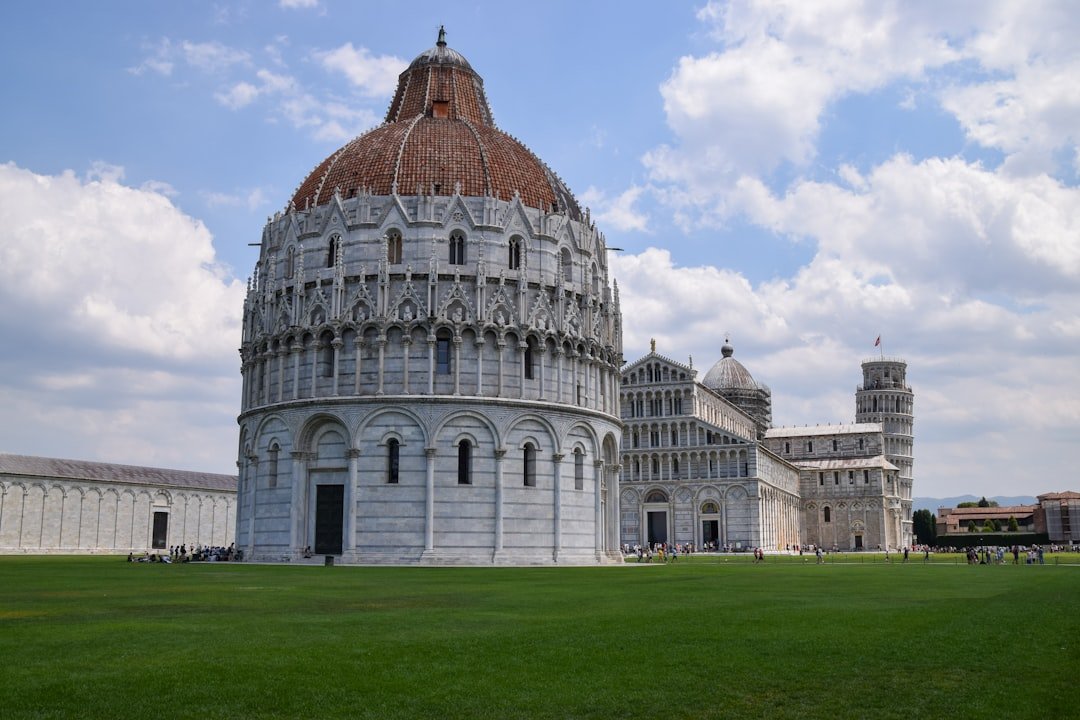
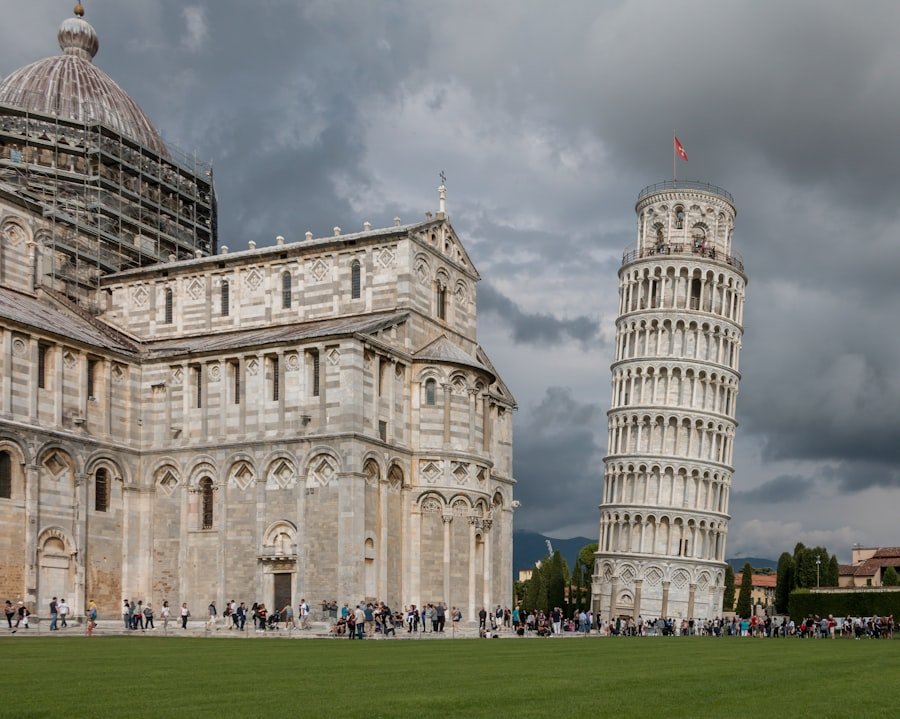
The Leaning Tower of Pisa, an architectural marvel and a symbol of Italy, stands as a testament to human ingenuity and the unpredictability of nature. Constructed over 199 years, from 1173 to 1372, this freestanding bell tower is part of the larger complex known as the Piazza dei Miracoli. The tower’s unintended tilt, which began during its construction due to unstable foundation soil, has captivated visitors for centuries.
The structure rises to a height of approximately 56 meters and consists of eight stories, including the chamber for the seven bells at the top. Its white and gray marble façade, adorned with intricate arches and columns, showcases the Romanesque style that was prevalent during its construction. Visitors often find themselves drawn to the tower not only for its unique architectural features but also for the stories that surround it.
The tilt, which has been a subject of fascination and concern, led to extensive restoration efforts in the late 20th century to stabilize the structure. These efforts have allowed tourists to ascend the tower once more, offering a thrilling experience as they climb the 294 steps to the top. The view from the summit is nothing short of breathtaking, providing a panoramic vista of Pisa and its surrounding landscapes.
Standing atop this iconic structure, one can appreciate not only the beauty of the city but also the remarkable history that has shaped it.
Key Takeaways
- The Leaning Tower of Pisa is a must-see attraction, known for its iconic tilt and fascinating history.
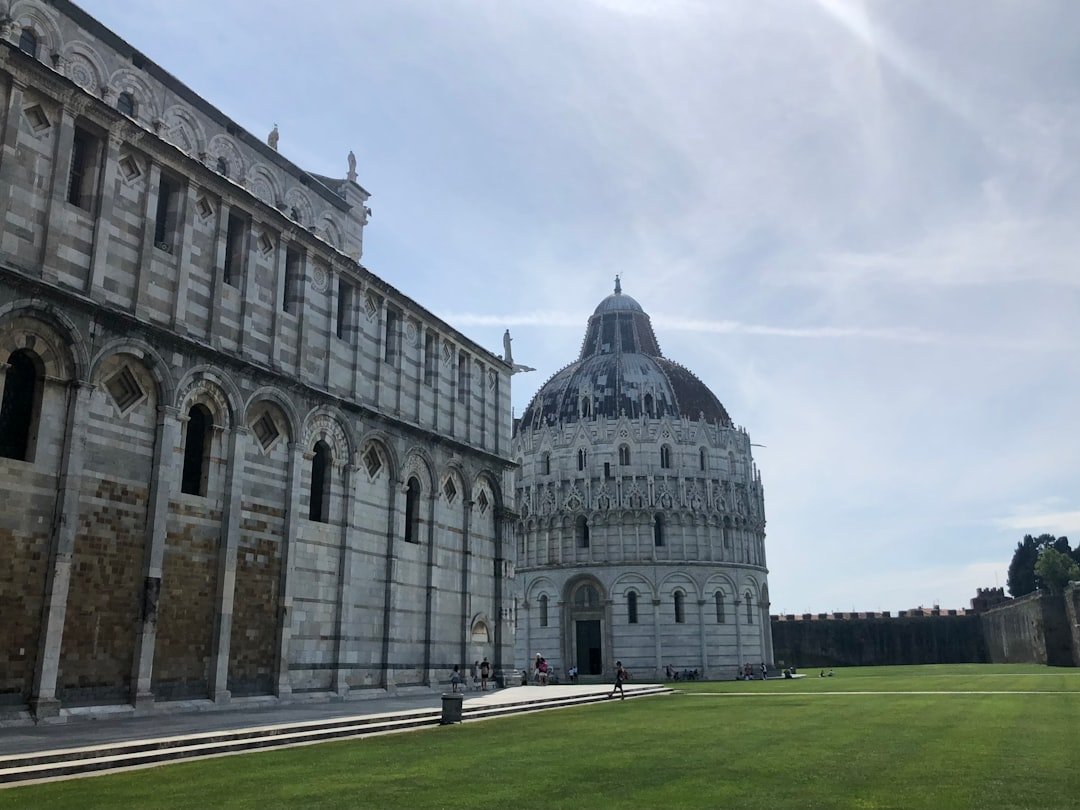
- The Piazza dei Miracoli is a stunning square that houses the Leaning Tower, Cathedral, and Baptistery, offering a beautiful and historic setting for exploration.
- The Cathedral of Pisa is a magnificent example of Romanesque architecture, with intricate details and beautiful artwork to admire.
- Strolling along the Arno River provides a picturesque and peaceful experience, with charming views of the city and its surroundings.
- The Piazza dei Cavalieri is a historic square with impressive architecture and a rich history, making it a worthwhile stop for visitors to Pisa.
Exploring the Piazza dei Miracoli
A Peaceful Oasis in the Heart of Pisa
The lush green lawns surrounding these architectural wonders provide a perfect backdrop for visitors to relax and take in their surroundings. Despite being a popular tourist destination, the square retains an air of tranquility that invites contemplation. As one wanders through the piazza, the intricate details of each building come to life.
A Celebration of Art and Architecture
The Cathedral, with its stunning façade adorned with white and green marble, reflects the artistic prowess of its time. The Baptistery, known for its remarkable acoustics and unique circular design, stands as a testament to the importance of baptism in medieval Christian life. The entire square is a celebration of art and architecture, where every corner reveals a new detail or perspective.
A Source of Inspiration for Artists
Photographers and artists alike find inspiration in this picturesque setting, capturing the essence of Pisa’s rich cultural heritage.
Admiring the Cathedral of Pisa
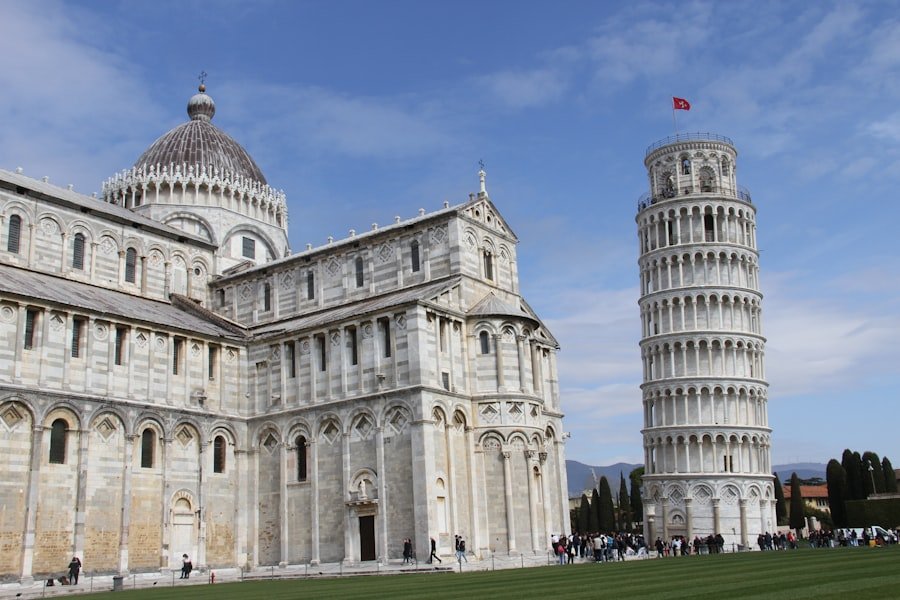
The Cathedral of Pisa, or Duomo di Pisa, is an architectural masterpiece that exemplifies the grandeur of Romanesque design. Completed in 1118, it serves as a focal point within the Piazza dei Miracoli and is dedicated to Santa Maria Assunta. The exterior of the cathedral is adorned with intricate carvings and sculptures that narrate biblical stories and reflect the artistic trends of the time.
The façade features a striking combination of white and gray marble, creating a visually stunning contrast that draws visitors’ attention from afar. Inside, the cathedral continues to impress with its vast nave and exquisite interior decorations. The ceiling is adorned with golden mosaics that depict scenes from the life of Christ, while the marble floors are intricately patterned with geometric designs.
One of the most notable features is the pulpit crafted by Giovanni Pisano, which showcases detailed reliefs that illustrate various biblical narratives. The atmosphere within the cathedral is one of reverence and awe, inviting visitors to pause and reflect on its historical significance. As one explores this sacred space, it becomes evident that the Cathedral of Pisa is not merely a place of worship but also a repository of art and history that has stood the test of time.
Strolling along the Arno River
| Metrics | Data |
|---|---|
| Length of the Arno River | 241 kilometers |
| Popular cities along the Arno River | Florence, Pisa, Empoli |
| Historical significance | Used for transportation and trade since Roman times |
| Scenic views | Beautiful bridges and architecture |
| Recreational activities | Strolling, cycling, and picnicking |
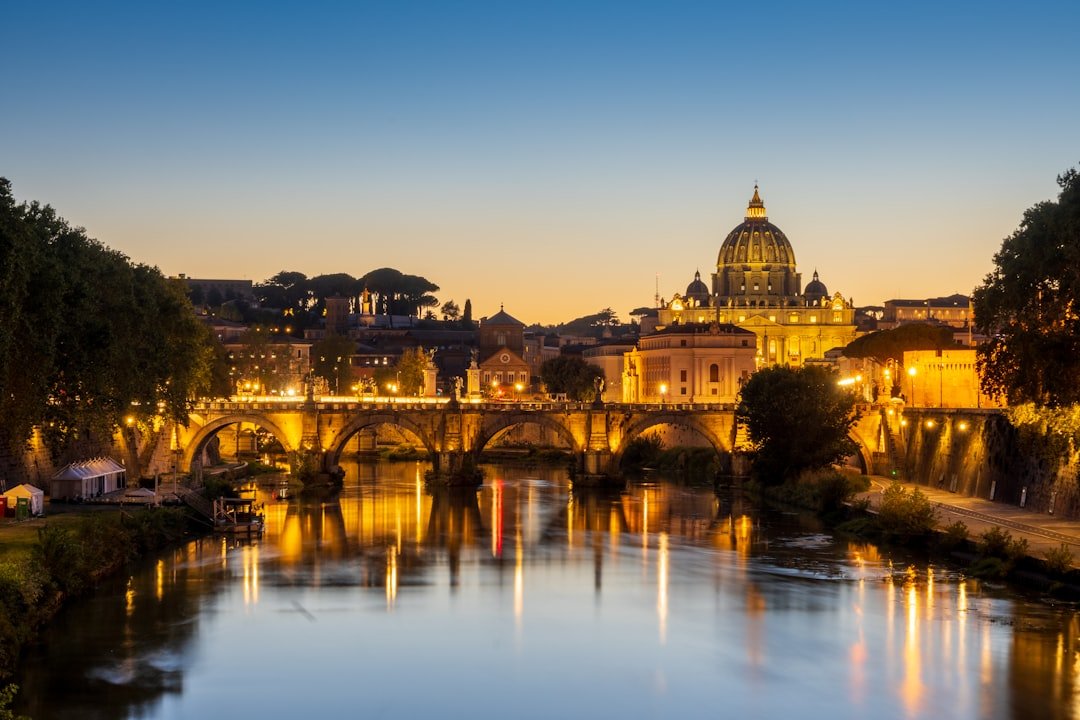
The Arno River flows gracefully through Pisa, offering a picturesque setting for leisurely strolls and moments of reflection. Lined with charming buildings that reflect various architectural styles, including medieval towers and Renaissance palaces, the riverbanks provide an enchanting backdrop for both locals and tourists alike. Walking along the Arno allows visitors to experience a different side of Pisa, one that is less focused on its iconic landmarks and more on its vibrant daily life.
The gentle sound of water lapping against the shore creates a soothing ambiance that invites exploration. As one meanders along the river, numerous bridges connect both sides, each with its own unique character. The Ponte di Mezzo, for instance, serves as a central point for crossing while offering stunning views of both banks.
Alongside the river, quaint cafés and gelaterias beckon passersby to indulge in local delicacies while soaking in the scenery. The golden hues of sunset reflecting off the water create a magical atmosphere that transforms an ordinary walk into an unforgettable experience. Whether it’s enjoying a quiet moment by oneself or engaging in lively conversations with friends, strolling along the Arno River captures the essence of Pisa’s charm.
Visiting the Piazza dei Cavalieri
The Piazza dei Cavalieri is another significant square in Pisa that showcases the city’s rich history and cultural heritage. Once serving as the political center during medieval times, this square is now home to several important buildings, including the Palazzo della Carovana and the Church of Santo Stefano dei Cavalieri. The square’s name translates to “Square of Knights,” reflecting its historical association with the Knights of St.
Stephen, who were established by Grand Duke Cosimo I de’ Medici in 1561 to protect maritime trade routes. The architectural style of Piazza dei Cavalieri is predominantly Renaissance, characterized by elegant façades and intricate details. The Palazzo della Carovana stands out with its striking design by Giorgio Vasari, featuring a grand staircase leading up to its entrance.
Visitors can admire frescoes that adorn its walls, depicting scenes from Pisan history and mythology. The church nearby adds to the square’s allure with its beautiful interior and serene atmosphere. As one explores this historic site, it becomes clear that Piazza dei Cavalieri is not just a place for sightseeing; it is a living testament to Pisa’s storied past and its evolution over centuries.
Exploring the Botanical Gardens of Pisa
A Rich History and Diverse Collection
Established in 1543 as part of the University of Pisa, the Botanical Gardens of Pisa are among the oldest botanical gardens in Europe. Spanning over 2 hectares, they house an extensive collection of plants from various regions around the world, making it an invaluable resource for research and education.
Exploring the Gardens
Visitors can wander through themed sections that showcase diverse flora ranging from Mediterranean species to exotic tropical plants. The garden’s layout encourages exploration; winding paths lead through lush greenery, vibrant flowers, and serene ponds inhabited by koi fish. One can find quiet benches nestled among trees—perfect spots for reading or simply enjoying nature’s beauty.
Seasonal Events and Environmental Awareness
Additionally, seasonal events often take place here, such as flower exhibitions or educational workshops aimed at promoting environmental awareness. The Botanical Gardens serve not only as a refuge for those seeking peace but also as a reminder of humanity’s connection to nature.
Enjoying the street performances in Pisa
Pisa’s vibrant street life comes alive through its array of street performances that captivate both locals and tourists alike. Artists from various backgrounds gather in popular squares like Piazza dei Miracoli or along bustling streets to showcase their talents—be it music, dance, or theatrical performances. These spontaneous displays create an electric atmosphere that enhances the city’s cultural landscape while providing entertainment for all ages.
Musicians strumming guitars or playing traditional Italian instruments often draw crowds with their melodic tunes that echo through narrow alleyways. Jugglers and acrobats perform daring feats that leave onlookers in awe while adding an element of excitement to leisurely strolls through town. Street performers not only entertain but also foster a sense of community; they invite passersby to engage with art in an informal setting where everyone can appreciate creativity without barriers.
As night falls and lights illuminate these performances against historic backdrops, it becomes clear that street art is an integral part of Pisa’s identity—one that reflects its rich cultural tapestry.
Taking in the panoramic views from the Pisa city walls
The ancient city walls of Pisa offer visitors an opportunity to step back in time while enjoying breathtaking panoramic views of both the cityscape and surrounding countryside. Originally constructed in the 12th century for defensive purposes, these walls have stood witness to centuries of history and transformation. Today, they serve as a scenic walkway where visitors can explore sections that have been preserved or restored.
Walking along these walls provides a unique perspective on Pisa’s architectural beauty; one can see iconic landmarks like the Leaning Tower and Cathedral from above while also taking in views of terracotta rooftops stretching into the distance. The elevated vantage point allows for stunning photographs at any time of day—whether capturing sunrise hues or golden hour light casting long shadows across ancient stones. Additionally, many sections feature gardens or green spaces where visitors can pause to enjoy nature amidst their exploration.
As one strolls along these historic fortifications, it becomes evident that they are not merely remnants of a bygone era but rather integral parts of Pisa’s ongoing narrative—a narrative steeped in history yet alive with contemporary vibrancy.
If you’re looking for more free things to do in Pisa, be sure to check out this article on exploring the delightful world of Asian melon. This article highlights the beauty and uniqueness of Asian melons and offers tips on how to enjoy them in various dishes. It’s a great way to learn about a new and delicious fruit while also discovering more free activities to enjoy in Pisa.
FAQs
What are some free things to do in Pisa?
Some free things to do in Pisa include visiting the iconic Leaning Tower of Pisa, exploring the Piazza dei Miracoli, wandering through the historic streets of the city, and enjoying the beautiful views along the Arno River.
Are there any free museums or attractions in Pisa?
Yes, there are several free museums and attractions in Pisa. Some of these include the Piazza dei Miracoli, which is home to the Leaning Tower, the Cathedral, and the Baptistery. Additionally, many churches in Pisa are free to enter and explore.
Can I visit the Leaning Tower of Pisa for free?
While there is a fee to climb the Leaning Tower of Pisa, visitors can still enjoy the exterior and the surrounding Piazza dei Miracoli for free. The area is a UNESCO World Heritage site and offers stunning views of the iconic tower.
What are some free outdoor activities in Pisa?
Some free outdoor activities in Pisa include strolling along the Arno River, exploring the city’s parks and gardens, and taking in the beautiful architecture and historic landmarks throughout the city.
Are there any free events or festivals in Pisa?
Pisa hosts various free events and festivals throughout the year, including cultural celebrations, music performances, and local markets. Visitors can check local event calendars to see what free events are happening during their visit.