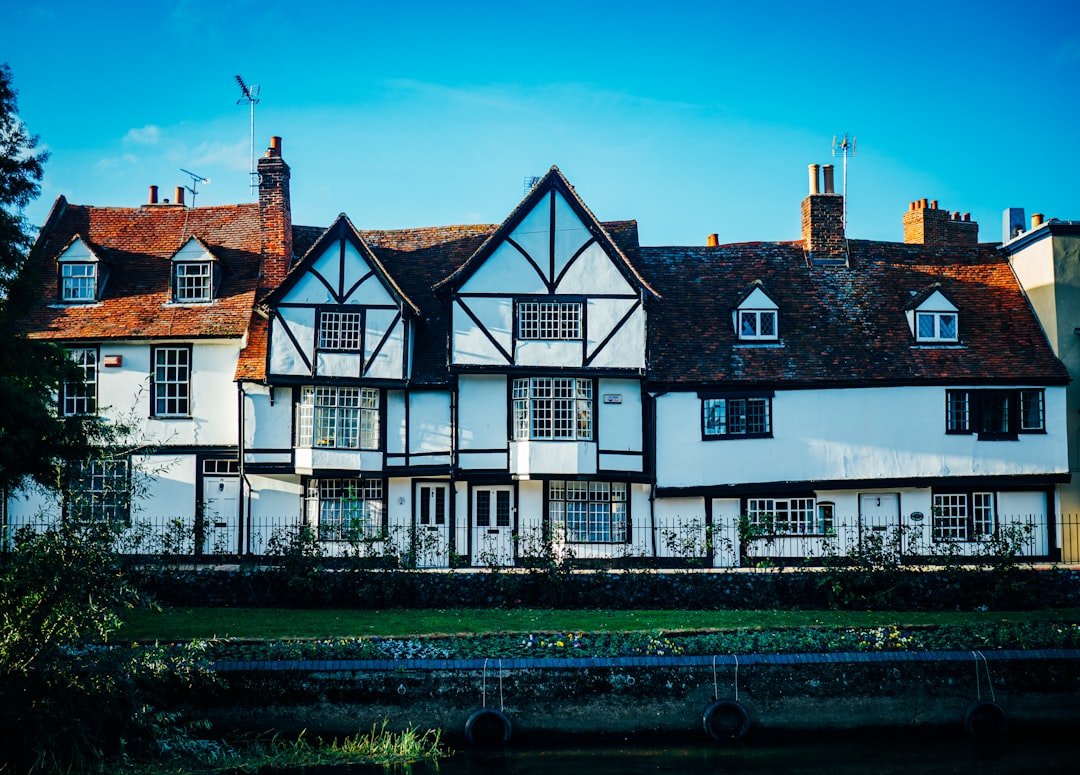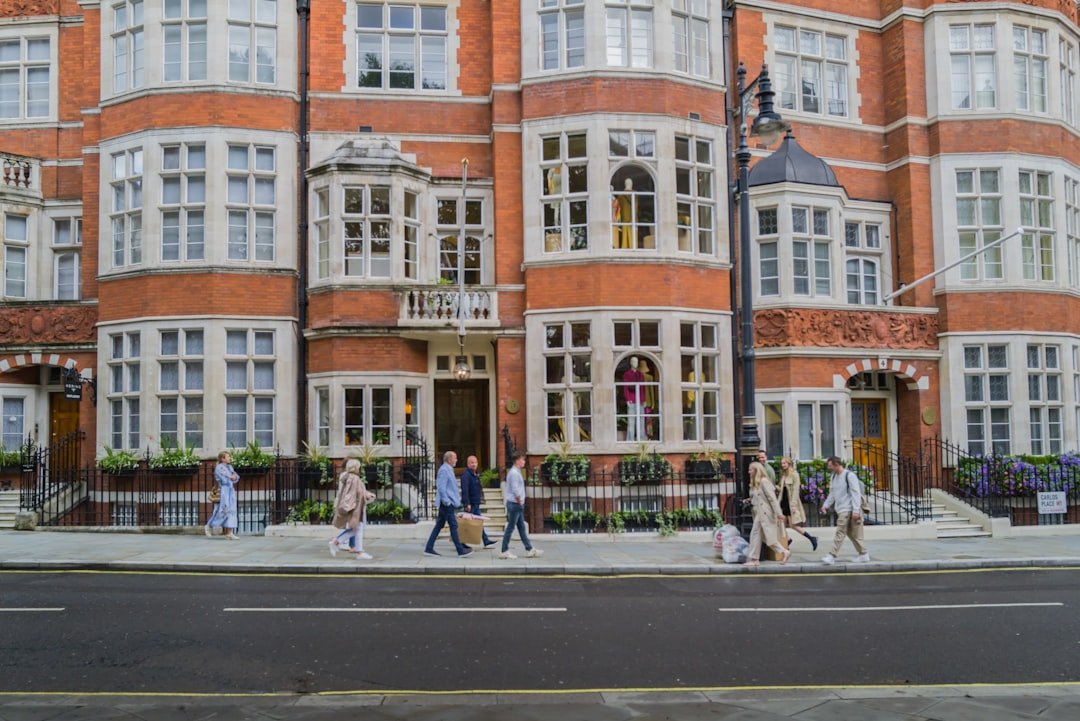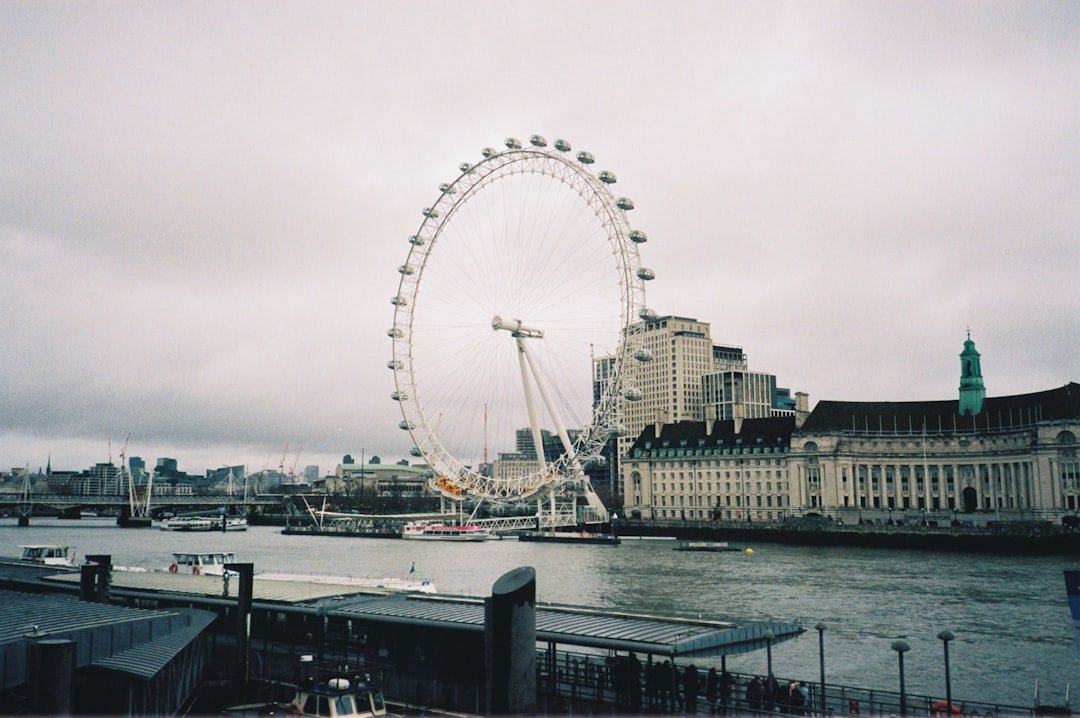
Six days in London gives you enough time to see the city’s major historic landmarks, museums, royal sights, food markets, neighborhoods, viewpoints, parks and gardens without turning every day into a race. London is home to more than nine million people and more than 300 languages, so the best itinerary mixes famous attractions with local areas rather than staying on one tourist trail.
Quick Answer
A practical 6 days in London itinerary should group nearby attractions: Tower of London and Tower Bridge; British Museum, Covent Garden and the West End; Buckingham and Kensington palaces; food markets; the City and Shoreditch; then a relaxed parks or Kew Gardens day. Book major ticketed sights and popular viewpoints before you arrive.
Key Takeaways
- Spend Day 1 around the Tower of London, Tower Bridge and Westminster’s historic sights.
- Use Day 2 for the British Museum, Covent Garden, National Gallery and a West End show.
- Make Day 3 your royal day with Buckingham Palace, St. James’s Park and Kensington Palace.
- Dedicate Day 4 to London’s food scene, choosing Borough Market or Brick Lane according to your interests and the market’s opening days.
- Explore Leadenhall Market, Postman’s Park, Shoreditch and a pre-booked Sky Garden visit on Day 5.
- Keep Day 6 flexible: choose Kew Gardens for a major botanical visit or stay central with Hyde Park, Regent’s Park and London Zoo.
- Use contactless or Oyster pay as you go on London transport and always use the same card or device when touching in and out.
- Check official opening times and book time-sensitive attractions before finalizing each day.
6-Day London Plan Overview
| Day | Main Focus | Key Stops |
| 1 | Historic London | Tower of London, Tower Bridge, Westminster Abbey |
| 2 | Museums & Culture | British Museum, Covent Garden, National Gallery, West End |
| 3 | Royal London | Buckingham Palace, St. James’s Park, Kensington Palace |
| 4 | Food | Dishoom or another brunch stop, Borough Market or Brick Lane, dinner |
| 5 | Hidden Gems | Leadenhall Market, Postman’s Park, Shoreditch, Sky Garden |
| 6 | Parks & Gardens | Hyde Park plus Kew Gardens, or Regent’s Park and London Zoo |
Before You Start: What to Book Ahead
London rewards flexible exploring, but several popular attractions work better when you reserve them before your trip. Build your itinerary around the hardest reservations first, then place flexible museums, parks and neighborhoods around them.
- Tower of London: advance online booking is sensible during busy periods. Admission includes the Crown Jewels and normally includes Yeoman Warder tours subject to availability.
- Buckingham Palace: the State Rooms are seasonal. For 2026, the main summer opening runs from 9 July through 27 September.
- Changing the Guard: never assume it happens every day. Check the Household Division’s calendar for your exact date.
- British Museum: permanent-collection admission is free, but booking a free timed slot in advance is advised.
- National Gallery: general admission is free; free advance tickets can make entry quicker.
- West End theatre: reserve must-see productions early, particularly if you need a specific show, date or seating area.
- Sky Garden: free public-access tickets are time-specific and are currently released up to three weeks ahead.
Pro Tip: Treat your timed attraction tickets as the anchors of the itinerary. Museums, parks, neighborhoods and markets are easier to move if weather, transport or energy levels change.
Day 1: Exploring the Historical Landmarks
Your first day focuses on some of London’s most important historic landmarks. Start at the Tower of London, a UNESCO World Heritage Site that has served as a fortress, royal palace, prison, treasury and home of the Crown Jewels.
Morning: Tower of London
Give the Tower enough time rather than treating it as a quick photo stop. The Crown Jewels include the Imperial State Crown, which is set with 2,868 diamonds along with other historic stones. A Yeoman Warder tour can add useful context about the fortress, its prisoners and its royal history.
During busy travel periods, book your admission online before arriving. The Tower’s official ticket information notes that access to some rooms or routes can occasionally change because of conservation work.
Early Afternoon: Tower Bridge
After leaving the Tower, walk toward Tower Bridge. Crossing the bridge itself is free, but entering the attraction requires a ticket. Inside, the high-level walkways include glass floors and wide views over the Thames, while the Victorian Engine Rooms explain how the bridge’s lifting system worked.
If you do not want another paid attraction, simply cross the bridge on foot and enjoy the riverside views before continuing.
Late Afternoon: Westminster Abbey
Continue toward Westminster Abbey, Britain’s coronation church since 1066. The Abbey has hosted 39 coronations and the crowning of 40 monarchs. Its Gothic interior also includes royal tombs, memorials and Poets’ Corner, where figures including Geoffrey Chaucer and Charles Dickens are commemorated.
This is a full sightseeing day, so check the Abbey’s visitor hours before committing to a late entry. If your Tower visit runs longer than expected, Westminster can be paired with the Buckingham Palace area on Day 3 instead of rushing.
London works best when you allow time inside its landmarks rather than trying to collect as many exterior photos as possible.
Day 2: Immerse Yourself in London’s Culture
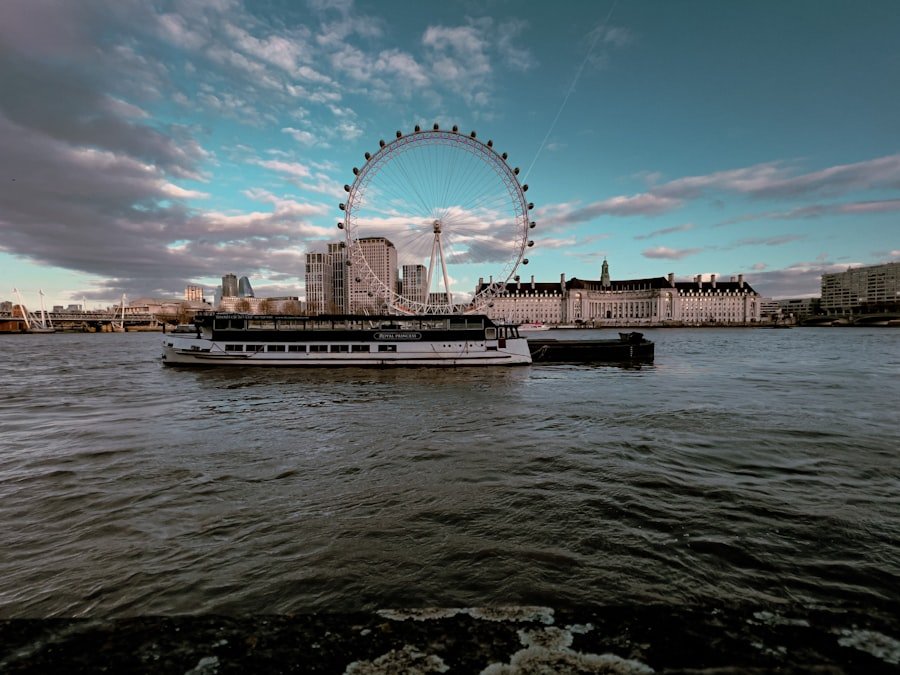
Day 2 forms one of the easiest geographic clusters in this itinerary: the British Museum, Covent Garden, Trafalgar Square and the West End.
Morning: British Museum
Begin at the British Museum, which covers human history and culture through collections from around the world. Famous objects include the Rosetta Stone and the Parthenon Sculptures, sometimes referred to as the Elgin Marbles.
Admission to the permanent collection is free. However, the museum advises visitors to reserve a free timed slot in advance, especially when demand is high. Paid temporary exhibitions may require separate tickets.
Lunch: Covent Garden
Walk or take a short ride to Covent Garden. The area combines restaurants, cafes, shops, historic architecture and street performers, making it an easy midday stop between museums.
Instead of trying to see every shop, give yourself time for lunch and a walk through the market buildings and surrounding streets.
Afternoon: National Gallery
Continue to Trafalgar Square and the National Gallery. Its collection covers Western European painting from the 13th through the early 20th centuries, with artists including Van Gogh, Monet, Turner and Leonardo da Vinci.
General admission is free, although some exhibitions are ticketed. The Gallery also offers free advance general-admission tickets for faster entry.
Evening: West End Theatre
Finish the day with a West End performance. London stages everything from long-running musicals to new plays, comedies and limited productions. Shows such as The Lion King and Les Misérables are well-known choices, but the best option depends on your travel dates and interests.
Book ahead if there is one production you definitely want to see. If you are flexible, compare same-week availability across several theatres.
Day 3: Discovering London’s Royal Heritage
Day 3 focuses on London’s royal history, beginning around Buckingham Palace and continuing west toward Kensington.
Morning: Buckingham Palace and Changing the Guard
Buckingham Palace is The King’s official London residence and a working royal palace. The State Rooms open during the main summer visitor season and on selected guided-tour dates at other times of year.
If Changing the Guard is a priority, check the official Household Division calendar before your trip. The Buckingham Palace ceremony takes place around 11:00 on scheduled Guard Change days, but the published program can vary with military and ceremonial requirements.
Note: In 2026, Buckingham Palace’s main State Rooms summer opening runs from 9 July to 27 September. Outside the summer season, normal tourist access is much more limited, so do not build the day around an interior palace visit without checking your date.
Late Morning: St. James’s Park
After the Palace, walk through St. James’s Park. It provides attractive views, lawns, a lake and a quieter break after the crowds around the Palace gates. Pelicans have a long association with the park and are among its best-known residents.
Afternoon: Kensington Palace
Continue to Kensington Palace, a royal residence associated with generations of the Royal Family. Visitors can explore available palace routes and exhibitions, but access changes over time.
Important for 2026: Kensington Palace’s Queen’s State Apartments are closed until spring 2027 for major re-presentation. The King’s State Apartments and other advertised exhibitions may still be available, so check the current visitor route before booking.
The surrounding palace gardens are worth seeing even if you skip the ticketed interior. The Sunken Garden contains the statue of Diana, Princess of Wales and can be viewed without a palace ticket during its published opening hours.
Do not confuse this with the Diana Memorial Fountain, which is located in Hyde Park rather than at Kensington Palace.
Day 4: Indulge in London’s Culinary Scene
Day 4 gives you room to experience London’s food culture without forcing every meal into a sightseeing schedule.
Breakfast or Brunch
Start with a well-known London breakfast or brunch spot such as Dishoom or The Breakfast Club. Dishoom is known for Bombay-inspired cooking, while The Breakfast Club focuses more heavily on familiar breakfast and brunch dishes. Menus and opening hours differ by branch, so check the location you intend to visit.
Lunch: Choose Borough Market or Brick Lane
Borough Market is one of London’s best-known food markets, with produce traders, specialty food businesses, restaurants and street-food options. It is next to London Bridge station and works especially well if you want to combine lunch with a Thames-side walk.
Note: Borough Market is normally closed on Mondays. Its regular hours currently run Tuesday through Sunday, with special schedules on some bank holidays and around Christmas.
You can sample British favorites such as fish and chips, but London’s food markets are just as valuable for their international range, from baked goods and cheeses to dishes influenced by cuisines from across Europe, Asia, Africa and the Americas.
Alternatively, head toward Brick Lane if your priority is East London’s Bangladeshi and Indian food heritage, bagel shops and surrounding street culture. Trying to cover both Borough Market and Brick Lane properly in one lunch period is unnecessary; choose the one that fits your interests.
Evening: Dinner and Dessert
For dinner, you can reserve a high-end restaurant or keep the evening casual with a pub, neighborhood restaurant or street-food destination. Camden and the South Bank both offer multiple choices, although the exact vendors and operating hours can change.
Traditional desserts worth looking for include sticky toffee pudding and Eton mess. You do not need to spend heavily to have a memorable food day in London; one reservation combined with a market and casual local stop usually gives more variety.
Day 5: Uncovering London’s Hidden Gems
Day 5 shifts away from London’s biggest tourist icons and into the City, Shoreditch and several smaller attractions.
Morning: Leadenhall Market
Start at Leadenhall Market, a covered market known for its ornate Victorian design. It also appeared as a filming location connected with the Harry Potter films, which adds another reason for film fans to stop here.
Even when you are not shopping, the architecture makes it worth a short visit. Because individual businesses set their own opening hours, mornings and weekdays can feel different from evenings or weekends.
Late Morning: Postman’s Park
Walk toward Postman’s Park, a small green space in the City of London. Its Memorial to Heroic Self-Sacrifice commemorates ordinary people who died while trying to save others. The park provides a quiet contrast to London’s financial district.
Afternoon: Shoreditch
Spend the afternoon around Shoreditch, where independent shops, cafes, markets, galleries and street art create a different atmosphere from Westminster or Kensington.
Street art changes constantly, so treat specific murals as temporary rather than guaranteed attractions. A guided walk can add context, but wandering around Brick Lane and nearby streets is also easy to do independently.
Evening: Sky Garden
Return toward the City for Sky Garden, the indoor garden and viewing space at 20 Fenchurch Street. Standard public access is free during designated hours, but tickets are time-specific and popular periods fill quickly.
Sky Garden currently releases free public tickets up to three weeks ahead and recommends advance booking. Walk-ins may sometimes be accepted when capacity allows, but they should not be your main plan for a six-day itinerary.
Pro Tip: Reserve Sky Garden first, then arrange the rest of Day 5 around your entry time. That is easier than building a perfect route and discovering that only an inconvenient viewing slot remains.
Day 6: Relax and Enjoy London’s Parks and Gardens
Your final day should feel less scheduled than the first five. The original combination of Hyde Park, Kew Gardens, Regent’s Park and London Zoo covers a lot of ground, so choose one of two practical versions rather than rushing through all four.
Morning: Hyde Park
Begin with a walk through Hyde Park. Depending on the season and current operating conditions, you may also find rowboats or pedal boats available on the Serpentine.
This is also where you will find the Diana Memorial Fountain, separate from the Diana statue at Kensington Palace’s Sunken Garden. Check Royal Parks notices before making a special trip to the fountain because maintenance or weather can occasionally affect access.
Option A: Spend the Rest of the Day at Kew Gardens
If plants, landscapes and glasshouses are a priority, travel to Kew Gardens and make it the main event of the afternoon. Kew is a UNESCO World Heritage Site with more than 50,000 living plants across its collections and landscapes.
The Palm House and Temperate House are among its best-known glasshouses. Kew recommends booking online for the best-value tickets, and a proper visit can comfortably take several hours.
This is the better option if you want a calm, substantial final-day attraction and do not mind leaving central London.
Option B: Regent’s Park and London Zoo
If you prefer to remain closer to central London, skip Kew and head to Regent’s Park instead. The park has formal gardens, broad lawns and space for a picnic or slower walk.
London Zoo sits on the northern side of Regent’s Park and is a substantial ticketed attraction in its own right. If you visit the zoo, allow a meaningful part of the afternoon rather than squeezing it between several other parks.
Note: Trying to do Kew Gardens and London Zoo properly on the same relaxed day creates unnecessary cross-city travel. Choose the experience you care about more.
Finish your final evening in a nearby pub or restaurant and use the slower pace to revisit a neighborhood you particularly enjoyed during the week.
Getting Around London: Transportation Tips
London’s transport network includes the Underground, buses, Elizabeth line, London Overground, DLR, National Rail services, river services, walking and cycling. For most visitors, there is no need to buy individual paper tickets for routine central-London journeys.
Contactless vs. Oyster
Transport for London recommends pay as you go using either a contactless card or device, an Oyster card or a Visitor Oyster card. Pay-as-you-go journeys benefit from fare capping within the applicable zones.
Contactless is usually the simplest option if your bank card works in the UK without expensive foreign-transaction fees. Oyster may make more sense if your card issuer charges overseas fees, your card is not accepted, or your circumstances qualify for a concession that requires Oyster.
Warning: Always touch in and out with the same contactless card or the same device. Do not touch in with a phone and touch out with the physical card linked to that phone; TfL may treat them as different payment methods and charge incorrectly.
Tube, Bus, Walking and Cycling
The Tube is often the fastest option for longer trips across central London. Buses can be slower but give you a better view of the city and can be useful when stations are not convenient.
Walking is especially effective in areas such as Westminster, Covent Garden, Soho, the South Bank and the City because major sights are often closer together than the Tube map makes them appear.
Santander Cycles are available for short bike journeys, but first-time visitors should use designated cycling infrastructure and avoid busy unfamiliar roads until they are comfortable with London traffic.
Before leaving each morning, check live transport information. Engineering work, events and service disruptions can change the fastest route.
Where to Stay in London: Accommodation Options
London has accommodation for almost every budget, but location matters as much as the hotel itself. A cheaper property far from the places you plan to visit can cost you time and extra transport every day.
Luxury
Mayfair and Kensington offer many high-end hotels, including long-established properties such as The Dorchester and boutique-style luxury options such as The Kensington. These areas work well if service, central location and comfortable surroundings are priorities.
Mid-Range
Bloomsbury and South Kensington are useful mid-range bases because they combine transport links with walkable attractions. Properties such as The Montague on the Gardens place you close to the British Museum and central London without requiring a Mayfair location.
Budget
Budget-conscious visitors can compare hostels, compact hotels and private rooms in areas such as Camden, King’s Cross, Paddington, Shoreditch and other well-connected neighborhoods.
Before booking, look at the nearest Underground or rail station rather than judging the property only by the words “central London.” A ten-minute walk to a useful station can make a major difference over six days.
Dining in London: Restaurant Recommendations
London’s dining scene ranges from historic British restaurants and neighborhood pubs to food halls, markets and cuisines from around the world.
Traditional British Food
For a more formal British meal, long-established restaurants such as Rules or The Ivy are recognizable options. For a more casual experience, a good pub can be a better place to try dishes such as a Sunday roast, pie, fish and chips or sticky toffee pudding.
International Food
Brick Lane remains closely associated with Bangladeshi and Indian restaurants, while Dishoom offers Bombay-inspired dishes at several London locations. London’s diversity means you can also find excellent Middle Eastern, African, East Asian, European and Latin American food throughout the city.
Something Different
If you want an unusual dining experience, restaurants such as Dans Le Noir? have offered meals served in darkness, creating a dining experience focused on taste, texture and conversation rather than sight. Check the restaurant’s current operating details before building an evening around a themed concept.
For dessert, Gelupo is known for gelato, while Ottolenghi locations are popular for pastries, cakes and Mediterranean-influenced food. As with any restaurant recommendation, menus, branches and hours can change, so confirm the location that suits your itinerary.
Making the Most of Your 6 Days in London
Six days is enough time to experience several different versions of London: medieval and royal history, major museums, theatre, food markets, creative neighborhoods and large green spaces. The key is not adding more attractions; it is grouping the ones you choose efficiently.
Keep museum-heavy Day 2 available as a useful wet-weather day, make reservations the fixed points of your schedule, and leave some unplanned time for neighborhoods, pubs, cafes and walks along the Thames.
If you want to explore beyond the best-known attractions, this current Visit London guide to hidden gems and lesser-known places provides additional ideas that can fit naturally into Day 5 or any free evening.
Frequently Asked Questions
What are the must-visit attractions in London?
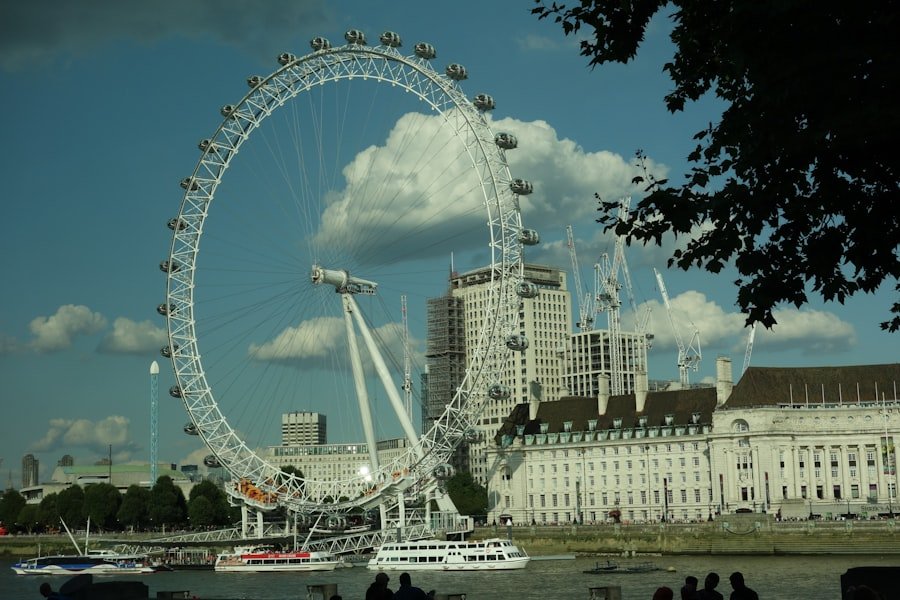
For a first visit, major attractions include the Tower of London, Tower Bridge, Buckingham Palace, Westminster Abbey, British Museum, National Gallery and the West End. The London Eye is another popular option if a paid observation experience is important to you.
What are some recommended day trips from London?
Popular day trips include Windsor Castle, Oxford, Cambridge, Stonehenge and the Warner Bros. Studio Tour London – The Making of Harry Potter. Check transport time and timed-entry requirements before sacrificing one of your six London sightseeing days.
What are the best ways to get around London?
Use the Underground and rail services for longer journeys, buses for convenient surface travel, and walking for clusters such as Westminster, Covent Garden and the City. Contactless and Oyster pay as you go are the main simple payment options for most visitors.
Should tourists use Oyster or contactless in London?
Either can work. TfL supports contactless and Oyster pay as you go with fare capping. Contactless is convenient if your card has no costly overseas fees; Oyster can be useful when your foreign card is unsuitable or your fare circumstances require it.
Which London attractions should I book in advance?
Prioritize timed or capacity-limited experiences such as the Tower of London during busy periods, Buckingham Palace when open, a specific West End show and Sky Garden. Free museums such as the British Museum and National Gallery also offer or recommend advance general-admission reservations.
What are some popular food and dining options in London?
Try a traditional pub meal, Borough Market, Brick Lane, afternoon tea or one of London’s many international restaurants. Popular British dishes include fish and chips, Sunday roast, pies and sticky toffee pudding.
What are some recommended shopping areas in London?
Oxford Street and Regent Street are major shopping streets, while Covent Garden combines shopping with dining and entertainment. Harrods in Knightsbridge is a famous department store, while Camden and smaller neighborhood markets offer more alternative choices.
What cultural experiences should I explore in London?
Combine museums and galleries such as the British Museum, National Gallery, Tate Modern and Victoria and Albert Museum with a live performance. The West End, Royal Opera House and Shakespeare’s Globe provide very different theatre and performance experiences.
Sources
- Transport for London — Best Ways for Visitors to Pay — contactless, Oyster and pay-as-you-go guidance.
- The Household Division — Changing the Guard Calendar — current Guard Change dates and times.
- Royal Collection Trust — Buckingham Palace — official residence status and visitor opening information.
- Historic Royal Palaces — Kensington Palace Opening Times — current palace routes, closures and opening information.
- British Museum — Visitor Admission Information — free permanent-collection admission and timed-entry guidance.
- Royal Botanic Gardens, Kew — UNESCO status, living plant collections and visitor planning information.