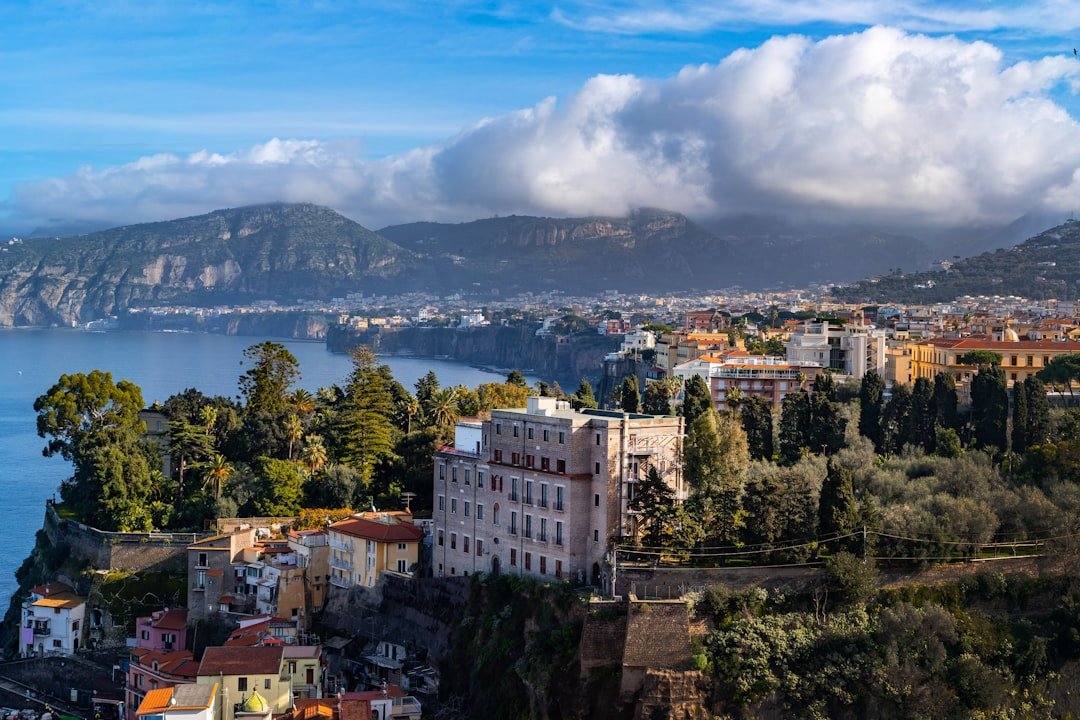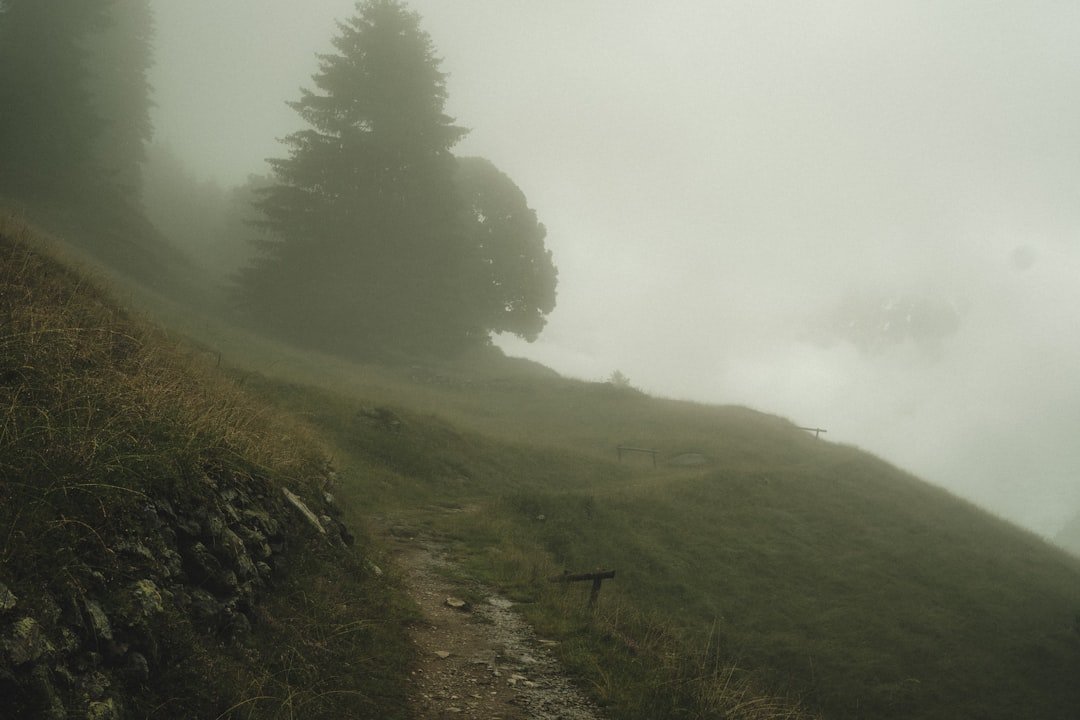
The Path of the Gods, or “Sentiero degli Dei,” is a renowned hiking trail that stretches along the Amalfi Coast in Italy, connecting the picturesque towns of Bomerano and Nocelle. This trail is celebrated not only for its breathtaking views but also for its rich cultural history and the unique geological formations that characterize the region. The hike offers an immersive experience into the natural beauty of the Italian landscape, with dramatic cliffs, lush vegetation, and panoramic vistas of the Tyrrhenian Sea.
As you traverse this ancient path, you will encounter terraced vineyards, fragrant lemon groves, and charming rural villages that have remained largely unchanged over the centuries. The origins of the Path of the Gods are steeped in local legend and folklore. It is said that the gods themselves walked this path, which is reflected in its name.
The trail was historically used by locals for trade and communication between the coastal towns and the inland areas. Today, it serves as a popular destination for hikers and nature enthusiasts from around the globe. The hike typically takes about two to four hours to complete, depending on your pace and how often you stop to take in the stunning scenery.
The trail is approximately 7.8 kilometers (about 4.8 miles) long and features a variety of terrains, including rocky paths, steep inclines, and gentle slopes.
Key Takeaways
- The Path of the Gods hike offers stunning views of the Amalfi Coast and is a must-do for nature lovers and hikers.
- Essential gear and clothing for the hike include sturdy hiking boots, a lightweight backpack, plenty of water, sunscreen, and a hat.
- Preparing for the physical demands of the hike involves regular exercise, including cardio and strength training, to build endurance and strength.
- Navigating the trail and staying safe requires a detailed map, GPS device, and knowledge of the trail markers, as well as being aware of potential hazards such as steep cliffs and wildlife.
- Tips for capturing the best photos along the trail include bringing a camera with a wide-angle lens, taking advantage of the golden hour for optimal lighting, and looking for unique vantage points to capture the landscape.
Essential Gear and Clothing for the Hike
Footwear and Socks
A sturdy pair of hiking boots is a must-have; they should provide good ankle support and have a non-slip sole to navigate the rocky terrain effectively. Waterproof boots can be particularly beneficial if you encounter wet conditions or muddy patches along the trail. Additionally, wearing moisture-wicking socks can help prevent blisters and keep your feet dry throughout the hike.
Clothing and Layering
In terms of clothing, layering is key due to the varying temperatures you may experience during your hike. Start with a moisture-wicking base layer to keep sweat away from your skin, followed by an insulating layer such as a fleece or lightweight jacket.
Protective Gear and Accessories
A waterproof and windproof outer layer is also advisable, especially if you are hiking during the spring or fall when rain showers are more common. Don’t forget to wear a wide-brimmed hat and sunglasses to protect yourself from the sun’s rays, as well as sunscreen to shield your skin from UV exposure.
Preparing for the Physical Demands of the Hike
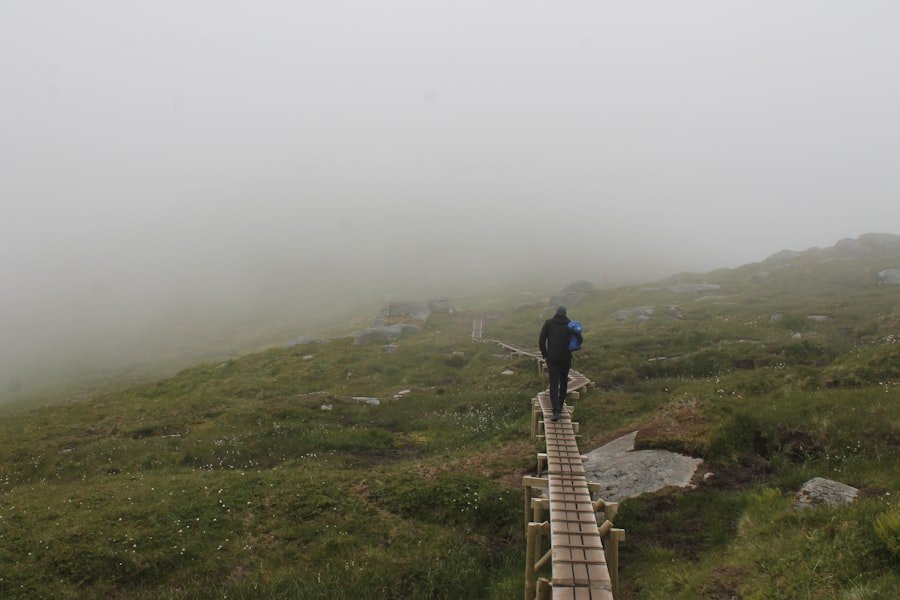
The Path of the Gods is classified as a moderate hike, but it does present physical challenges that require preparation. Engaging in regular cardiovascular exercise in the weeks leading up to your hike can significantly enhance your stamina and endurance. Activities such as running, cycling, or swimming can help build your aerobic capacity, making it easier to tackle the trail’s inclines and declines.
Additionally, incorporating strength training exercises that focus on your legs, core, and upper body can improve your overall stability and balance while hiking. Practicing on similar terrain can also be beneficial. If possible, seek out local trails that mimic the elevation changes and rocky paths of the Path of the Gods.
This will not only help you acclimate to hiking but also give you a sense of what to expect on your journey. Moreover, consider hiking with a weighted backpack during your training sessions to simulate carrying supplies on the actual hike. This will help condition your muscles and prepare you for the physical demands of navigating uneven surfaces while carrying essential gear.
Navigating the Trail and Staying Safe
| Trail Section | Difficulty Level | Recommended Gear | Safety Tips |
|---|---|---|---|
| Steep Incline | Difficult | Hiking boots, trekking poles | Take small steps, use poles for stability |
| River Crossing | Moderate | Waterproof boots, walking stick | Check water depth, use stick for balance |
| Narrow Path | Easy | Hiking shoes, flashlight | Stay in the middle, use flashlight in low light |
Navigating the Path of the Gods requires attention to detail and an understanding of trail markers. The route is well-marked with signs indicating directions and distances, but it’s essential to remain vigilant as some sections may be less obvious than others. Familiarizing yourself with a map or downloading a GPS app can provide additional guidance and reassurance as you make your way along the trail.
It’s advisable to start early in the day to avoid crowds and ensure you have ample time to complete the hike before sunset. Safety should always be a priority while hiking. Carrying a first-aid kit is essential for addressing minor injuries such as cuts or scrapes that may occur along the way.
Additionally, bringing plenty of water is crucial to stay hydrated, especially during warmer months when temperatures can soar. It’s recommended to drink water regularly rather than waiting until you feel thirsty. If you’re hiking with a group, establish a plan for staying together and communicating effectively throughout the journey.
Tips for Capturing the Best Photos Along the Trail
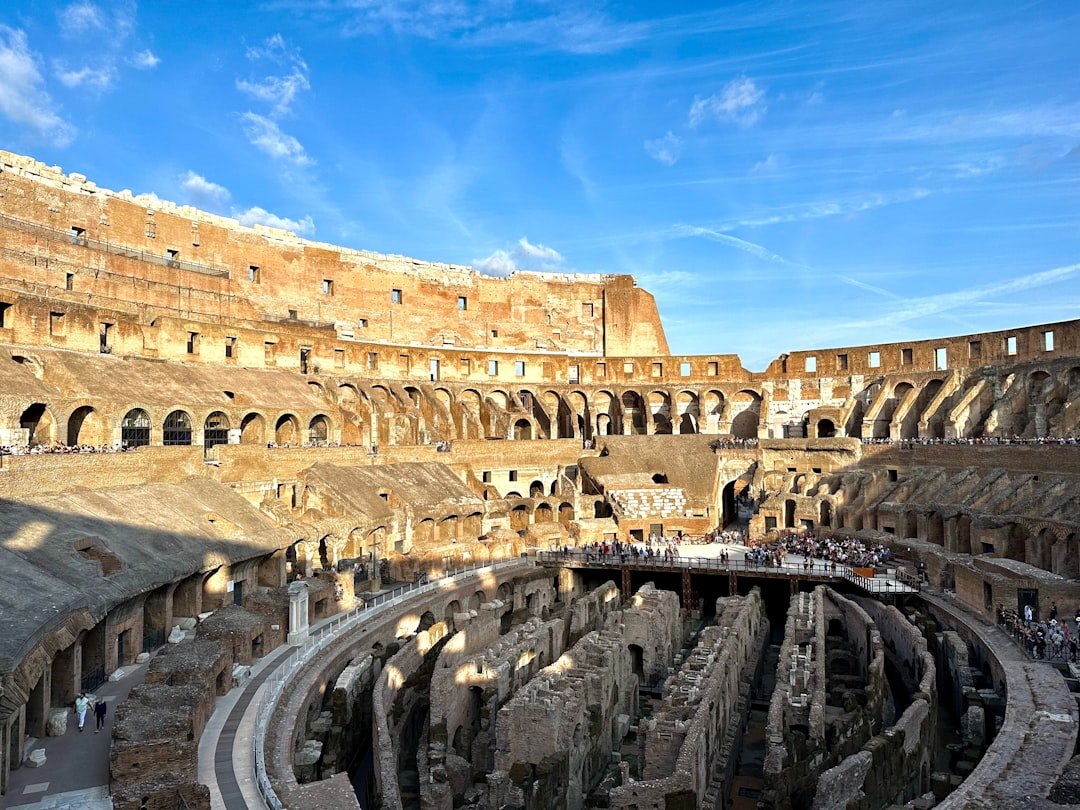
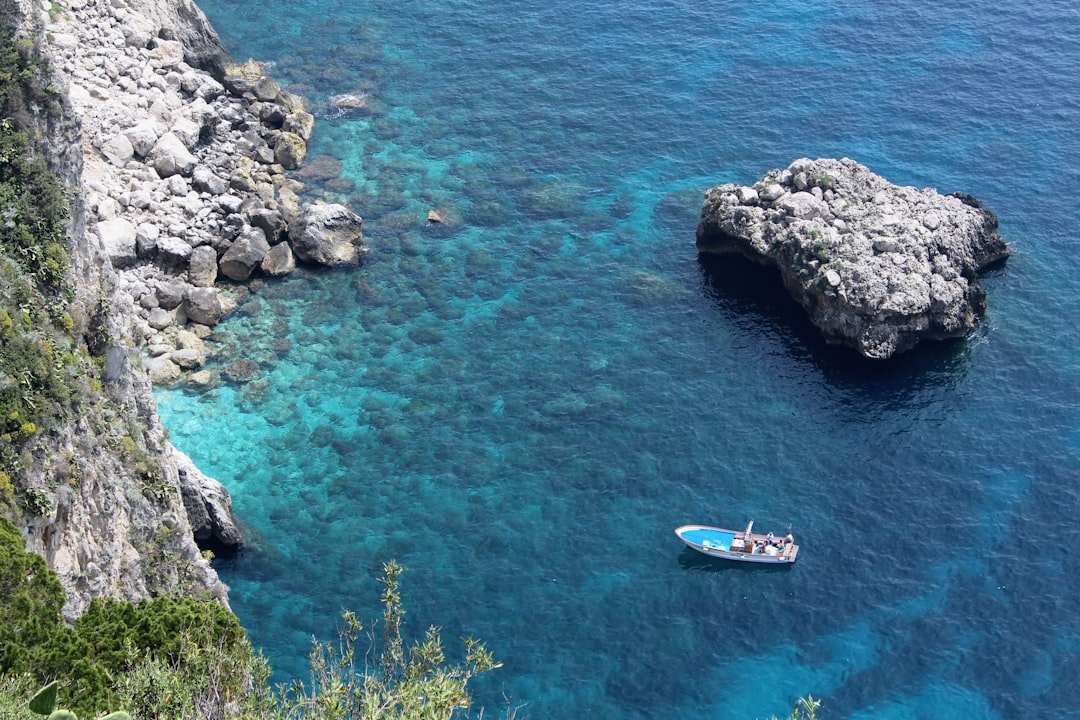
The Path of the Gods offers countless opportunities for stunning photography, making it a paradise for both amateur and professional photographers alike. To capture the best images along this scenic route, consider bringing a camera with manual settings that allow for greater control over exposure and focus. A lightweight tripod can also be beneficial for stabilizing shots, particularly in low-light conditions or when capturing long-exposure images of flowing water or dramatic landscapes.
Timing is crucial when it comes to photography on this trail. The golden hours—shortly after sunrise and just before sunset—provide soft lighting that enhances colors and adds depth to your photos. Be mindful of your surroundings; sometimes, stepping off the main path can lead to unique vantage points that offer fresh perspectives on familiar scenes.
Additionally, don’t hesitate to experiment with different angles and compositions; capturing both wide shots that showcase sweeping vistas and close-ups of local flora can create a diverse portfolio of images from your hike.
Enjoying the Local Cuisine and Culture
Savoring the Flavors of the Amalfi Coast
The Amalfi Coast is famous for its culinary offerings, which include fresh seafood, handmade pasta, and locally grown produce. Be sure to try traditional dishes such as “spaghetti alle vongole” (spaghetti with clams) or “delizia al limone,” a lemon-infused dessert that reflects the region’s abundant citrus groves.
Discovering Local Markets and Traditions
Exploring local markets can also provide insight into regional ingredients and culinary traditions. Many towns along the Amalfi Coast host vibrant markets where you can sample local cheeses, cured meats, and artisanal bread. Engaging with local vendors not only enhances your culinary experience but also allows you to learn about their customs and stories behind their products.
Hands-on Culinary Experiences
Participating in a cooking class can further deepen your appreciation for local cuisine; many classes offer hands-on experiences where you can learn to prepare traditional dishes using fresh ingredients sourced from nearby farms.
Recommended Accommodations and Transportation Options
When planning your hike along the Path of the Gods, selecting suitable accommodations is essential for ensuring a comfortable stay in this beautiful region. Options range from charming bed-and-breakfasts in quaint villages to luxurious hotels with stunning sea views. Towns like Bomerano and Nocelle offer convenient access to the trailhead while providing an authentic Italian experience.
For those seeking more upscale accommodations, consider staying in Positano or Amalfi, where you can enjoy breathtaking views and easy access to local attractions. Transportation options are plentiful along the Amalfi Coast, making it easy to reach your chosen accommodations and trailheads. The SITA bus service connects major towns along the coast, providing an affordable means of travel between locations such as Sorrento, Positano, Amalfi, and Ravello.
For those who prefer more flexibility, renting a car or scooter can offer greater freedom to explore hidden gems off the beaten path; however, be prepared for narrow roads and limited parking in some areas.
Making the Most of Your Path of the Gods Hike Experience
To truly make the most of your experience on the Path of the Gods, consider embracing not only the physical challenge but also the cultural richness surrounding this iconic trail. Engage with fellow hikers along the way; sharing stories and tips can enhance your journey while fostering connections with like-minded adventurers from around the world. Take time to pause at scenic viewpoints; these moments allow you to reflect on your surroundings while capturing memories through photographs or journaling.
Additionally, immerse yourself in local traditions by participating in festivals or events that may coincide with your visit. The Amalfi Coast hosts various celebrations throughout the year that showcase regional music, dance, and cuisine. By engaging with local culture beyond just hiking, you will gain a deeper appreciation for this stunning region and its people.
Ultimately, approaching your hike with an open heart and mind will enrich your experience on this legendary path forged by gods and travelers alike.
If you’re looking for a delicious and healthy snack to fuel your hike along the Path of the Gods, check out this simple recipe for homemade cottage cheese here. It’s important to stay energized and hydrated while exploring the stunning Amalfi Coast. And after your hike, you might want to relax and unwind with some Asian melon, which you can learn more about here. And if you’re a fan of rock music, you may be interested to know that rock legend Ozzy Osbourne has passed away, as reported here.
FAQs
What is the Path of the Gods hike?
The Path of the Gods hike, also known as Sentiero degli Dei, is a famous hiking trail along the Amalfi Coast in Italy. It offers stunning views of the coastline and the Mediterranean Sea.
Is the Path of the Gods hike suitable for beginners?
Yes, the Path of the Gods hike is suitable for beginners. However, it is important to be prepared and take necessary precautions before embarking on the hike.
What are some beginner tips for hiking the Path of the Gods?
– Wear comfortable and sturdy hiking shoes
– Bring plenty of water and snacks
– Check the weather forecast before starting the hike
– Start early in the day to avoid the midday heat
– Pace yourself and take breaks as needed
– Stay on the marked trail and follow all safety guidelines
How long does it take to complete the Path of the Gods hike?
The Path of the Gods hike typically takes around 3-4 hours to complete, depending on your pace and the number of stops you make along the way.
What should I bring with me for the Path of the Gods hike?
Some essential items to bring for the Path of the Gods hike include:
– Water
– Snacks
– Sunscreen
– Hat
– Camera
– Map or GPS device
– Mobile phone