The Brienz Rothorn Railway is one of Switzerland’s classic mountain train experiences, climbing from Brienz beside Lake Brienz to Rothorn Kulm high above the Bernese Oberland. The historic steam cog railway opened in 1892, and the 7.6-kilometer journey combines forests, alpine meadows, steep mountain slopes, and increasingly wide views as the train gains 1,678 meters in elevation.
Quick Answer
For the best scenery on the Brienz Rothorn Railway, focus on the upper half from Planalp to Rothorn Kulm. After Planalp, the route climbs into more open alpine terrain, with increasingly wide views over turquoise Lake Brienz and the Bernese Alps. The summit area adds the broadest panorama when clouds stay clear.
Key Takeaways
- The most scenic part of the ride is generally the climb from Planalp toward Rothorn Kulm, where the landscape becomes more open and Lake Brienz views expand.
- The full route is 7.6 km long, takes about one hour each way, and climbs 1,678 vertical meters.
- Rothorn Kulm railway station is at 2,244 m; the Brienzer Rothorn summit itself is about 2,350 m above sea level.
- For 2026, full service to Rothorn Kulm runs from June 6 through October 25, subject to operating and safety conditions.
- Popular trains can sell out, so buying a ticket with a seat guarantee in advance is useful on clear summer days.
The Journey to the Top
The railway starts in Brienz and climbs steadily up the mountain using a cogwheel system built for steep gradients. According to the official Brienz Rothorn Railway route information, the line covers 7.6 km, gains 1,678 m in height, and reaches a maximum gradient of 250‰, or 25%. The trip from Brienz to Rothorn Kulm normally takes about 60 minutes.
The railway is famous for steam operation, but not every locomotive is an original nineteenth-century engine. The operating fleet includes historic steam locomotives dating to the railway’s early years as well as newer steam locomotives introduced from the 1990s onward. Diesel locomotives can also be used when passenger numbers are high or a steam locomotive is unavailable.
The lower section passes through greener terrain, including meadows and wooded slopes. As the train gains height, the landscape becomes rougher and more open. Lake Brienz appears below at different points, while mountain ridges begin to dominate the horizon.
Planalp, at 1,341 m, is the intermediate station about halfway up the line. The ride from Brienz to Planalp takes roughly 30 minutes. Steam locomotives normally stop there for about five minutes to take on water. If you are continuing to Rothorn Kulm, the railway asks passengers to remain seated during this operational stop rather than treating it as a general sightseeing break.
The railway climbs 1,678 vertical meters over only 7.6 kilometers, with a maximum gradient of 25%.
The Best Views Along the Route
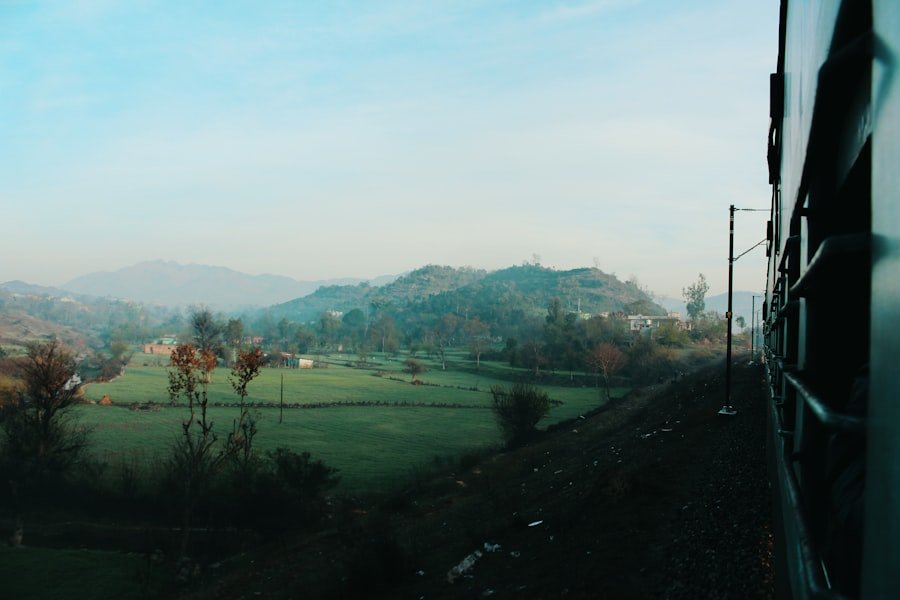
If your main goal is scenery, the section from Planalp to Rothorn Kulm deserves the most attention. The lower ride is attractive, but trees and the mountain slope can limit the width of the view. Above Planalp, the surroundings gradually become more alpine and exposed, allowing broader views across Lake Brienz and toward the surrounding peaks.
Planalp itself sits on a high plateau above Brienz and provides a good sense of how far the railway has already climbed. From there, the train continues toward rockier terrain and the upper mountain, where the visual scale becomes much greater.
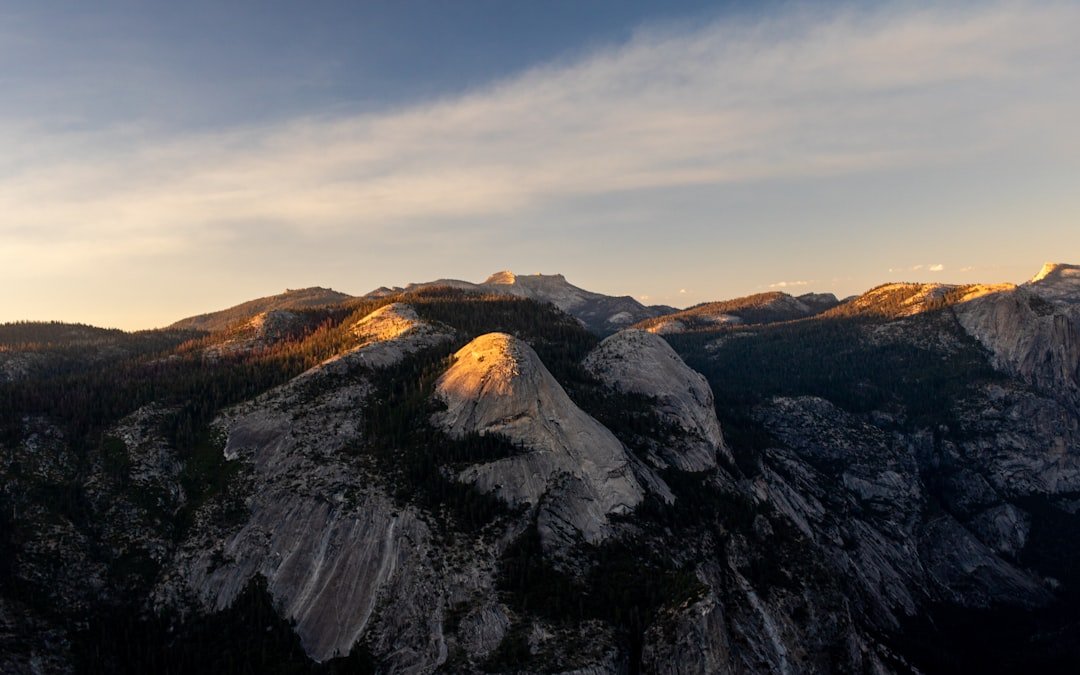
The widest panorama comes after reaching Rothorn Kulm and walking toward the viewpoints above the station. The railway station is at 2,244 m, while the Brienzer Rothorn reaches about 2,350 m. In clear weather, the panorama can include the Eiger, Mönch and Jungfrau in the Bernese Alps as well as peaks toward Central Switzerland and the Jura.
Pro Tip: Check the railway’s live conditions and mountain weather before committing to a particular departure. Clear visibility matters more than choosing a specific hour, and popular fair-weather trains can sell out.
Morning light can be attractive for photography, but regular trains should not be treated as guaranteed sunrise services. In the 2026 timetable, the 07:36 departure from Brienz operates only on Saturdays and Sundays in July, August, and September. On other full-season days, the first listed departure is later.
2026 Timetable, Tickets, and Trip Duration
For 2026, the railway’s full service from Brienz to Rothorn Kulm runs from June 6 through October 25. Earlier-season service operates only as far as Planalp. Always check the official timetable and fares shortly before traveling because mountain railway operations can change with conditions.
| 2026 full route season | June 6 to October 25, 2026 |
| Brienz to Rothorn Kulm | About 60 minutes |
| Minimum full excursion | About 2.5 hours, including a minimum 30-minute stay |
| Adult return fare | CHF 98 |
| Half Fare Card / Swiss Travel Pass return | CHF 49 |
| Children age 6–15 return | CHF 10 |
| Advance seat guarantee | CHF 8 in addition to the applicable fare |
The railway has limited capacity because it is a historic single-track mountain line. On particularly attractive summer days, departures can sell out. The operator therefore recommends purchasing a ticket with a guaranteed seat in advance when your schedule depends on a particular train.
Note: Seat guarantees are tied to the selected departure and are separate from the underlying travel fare. Check the current booking conditions before buying if your plans may change.
Wildlife and Flora
| Category | What to Expect |
|---|---|
| Landscape | Forested lower slopes, alpine meadows, streams, rock formations, and increasingly open high-mountain terrain. |
| Wildlife | Regional mountain wildlife includes species such as chamois, marmots, deer, and ibex, but sightings from the train are never guaranteed. |
| Flora | Alpine vegetation changes with elevation and season, with the most colorful meadow displays generally associated with the warmer growing season. |
| Responsible visiting | Stay on marked hiking routes, avoid disturbing animals, and carry all waste back with you. |
The changing landscape is part of what makes the journey interesting. Green slopes and forest dominate the lower section, while the upper route feels increasingly alpine as trees thin out and rockier terrain takes over.
Wildlife may be present in the wider Brienz mountain region, including chamois, marmots, deer, and ibex, but a train journey should be enjoyed for the landscape rather than planned around guaranteed animal sightings.
During the growing season, alpine meadows can add wildflowers and other mountain plants to the scenery. Conditions vary with altitude, snowmelt, weather, and the time of year, so the appearance of the landscape can change substantially from one visit to another.
Visitors who continue onto hiking trails should treat the mountain environment carefully. Avoid picking protected plants, keep a respectful distance from animals, remain on marked routes, and take litter back down the mountain.
Historical and Cultural Highlights
The Brienz Rothorn Railway has operated since the nineteenth century. Construction followed a concession application made in 1889, and about 700 workers helped build the line. According to the railway’s official history, construction took only 16 months and the railway officially opened on June 16, 1892.
The railway later faced long periods of financial difficulty and stopped operating during the First World War. Service to Rothorn Kulm resumed in 1931. That interruption also helped preserve the railway’s unusual identity: unlike many Swiss mountain railways that were electrified, the Brienz Rothorn Railway retained steam operation.
The locomotive fleet now tells several chapters of that history. The railway still owns steam locomotives from its founding era, while later generations date from the 1930s, 1990s, and 2000s. This mixture lets the line preserve traditional steam technology while carrying modern visitor volumes.
Brienz itself is also known for woodcarving and craftsmanship, adding another cultural dimension to a visit.
A ride on the Brienz Rothorn Railway is not only a scenic excursion. It is also a chance to experience working steam railway technology on a mountain line whose history stretches back to 1892.
Tips for the Best Experience
Start by checking the weather and the railway’s live operating information. Cloud can hide much of the summit panorama, so a clear forecast often matters more than choosing a particular seat or departure time.
Book ahead if you are traveling on a sunny weekend or during a busy summer period. The railway’s capacity is limited, and the operator warns that departures can sell out. A seat guarantee is especially useful when you have connecting trains, boats, or other fixed plans later in the day.
Dress for a noticeable change in temperature. The railway says the Brienzer Rothorn is generally around 10°C cooler than Brienz. Even on a warm day beside the lake, the upper mountain can feel cold or windy. Layers, a light weatherproof outer layer, sun protection, and suitable footwear are sensible choices.
Allow more than the minimum 2.5 hours if possible. Thirty minutes at the top is enough for a short look around, but extra time gives you room to enjoy the viewpoints, eat, take photographs, or walk toward the summit without watching the clock constantly.
Food is available at the mountain, including at Mountain Hotel Rothorn Kulm. Carrying water and a small snack is still useful, particularly if you plan to hike.
Activities at the Summit
Rothorn Kulm is more than a turnaround point. Restaurants and mountain viewpoints make it possible to spend time at the top without committing to a long hike. The mountain hotel is roughly 100 meters uphill from the railway station.
A short summit route continues above Rothorn Kulm station toward the Brienzer Rothorn. The official railway hiking information lists the summit trail at about 15 minutes, although conditions and individual walking speed vary.
Longer routes are considerably more serious. The railway classifies the red-and-white marked routes around the Rothorn as mountain hiking trails rather than ordinary walks. They require suitable footwear with a non-slip sole, weatherproof clothing, appropriate fitness, and attention to trail and weather conditions.
Warning: Do not assume every route around Rothorn is an easy scenic walk. The official railway guidance warns that mountain hikes are undertaken at your own risk and that red-and-white routes require suitable shoes, weather protection, fitness, and current trail information.
Photography is another obvious reason to spend time above the station. When visibility is good, you can look across Lake Brienz and toward the Bernese Alps, including the Eiger, Mönch, and Jungfrau. The official railway also states that exceptionally clear conditions can reveal hundreds of surrounding peaks.
Accessibility and Practical Considerations
The railway can carry passengers using manual wheelchairs by prior arrangement, but there are important limitations. Electric wheelchairs, oversized wheelchairs, and heavy motorized mobility aids cannot be transported on the trains. The operator asks wheelchair users to arrange their trip at least seven days in advance.
At Rothorn Kulm, the route from the station to the restaurant is a steep paved path of roughly 100 meters. The restaurant itself is wheelchair accessible and has an accessible restroom, and the terrace provides views over Lake Brienz. The surrounding mountain hiking trails are not wheelchair-accessible.
The steam train also produces noticeable noise and steam. This is part of the experience, but it is worth considering for very young children, noise-sensitive travelers, and dogs. The railway specifically notes that the steam and noise may cause stress for dogs.
Why Brienz Rothorn Railway is a Must-See
The Brienz Rothorn Railway stands out because the journey itself is as important as the destination. You get a one-hour climb on a working steam cog railway, a dramatic change from lakeside scenery to high mountain terrain, and one of the broadest viewpoints above Lake Brienz.
The upper section from Planalp to Rothorn Kulm is the part to watch most closely if scenery is your priority. The railway gradually leaves the more enclosed lower slopes and enters an increasingly open alpine landscape, while the summit area provides the broadest views when weather conditions cooperate.
Its historical value also gives the trip a character that a modern cable car cannot reproduce. Steam locomotives, the water stop at Planalp, steep rack-rail gradients, and more than 130 years of railway history turn the ascent into an experience rather than simply transportation to a viewpoint.
For the best visit, check the forecast, confirm the current timetable, reserve a seat on busy days, allow enough time at Rothorn Kulm, and bring clothing suitable for conditions that can be much cooler than beside Lake Brienz.
Frequently Asked Questions
What is the Brienz Rothorn Railway?
The Brienz Rothorn Railway is a historic steam cog railway in Switzerland. It climbs 7.6 km from Brienz beside Lake Brienz to Rothorn Kulm station at 2,244 m and normally takes about one hour each way.
What is the best section of the Brienz Rothorn Railway for views?
The upper section from Planalp to Rothorn Kulm is generally the best choice if views are your priority. The landscape becomes more open as the train climbs, giving you increasingly broad views over Lake Brienz and the surrounding Alps.
What can visitors see on the upper section of the railway?
Expect alpine meadows, rocky mountain terrain, Lake Brienz far below, and a broad mountain panorama. In clear conditions, peaks including the Eiger, Mönch, and Jungfrau can be visible from the Rothorn area. Wildlife sightings are possible but should never be expected or guaranteed.
Is the first train a sunrise train?
Not reliably. The regular timetable is not designed as a sunrise service. In 2026, the 07:36 departure from Brienz operates on Saturdays and Sundays in July, August, and September. Choose your departure according to the official timetable and weather rather than expecting sunrise.
Does the Brienz Rothorn Railway operate year-round?
No. It is a seasonal mountain railway. In 2026, full service to Rothorn Kulm operates from June 6 through October 25. Earlier-season service operates only as far as Planalp. Always verify current operating conditions before traveling.
How much does the Brienz Rothorn Railway cost in 2026?
The published 2026 return fare from Brienz to Rothorn Kulm is CHF 98 for an adult without a discount and CHF 49 with a Half Fare Card or Swiss Travel Pass. Children age 6–15 pay CHF 10 return. An advance seat guarantee costs an additional CHF 8.
How long should I allow for the entire trip?
The railway says the minimum Brienz–Rothorn Kulm–Brienz excursion takes about 2.5 hours, including roughly one hour in each direction and a minimum 30-minute stay. Allow more time if you want to eat, take photographs, visit viewpoints, or hike.
Is the Brienz Rothorn Railway wheelchair accessible?
Manual wheelchairs can be transported by prior arrangement, and the railway asks for at least seven days’ notice. Electric and oversized wheelchairs cannot be carried. The restaurant at Rothorn Kulm is wheelchair accessible, but the surrounding mountain hiking trails are not.
Sources
- Brienz Rothorn Railway — Timetable and Prices — 2026 operating dates, departures, fares, seat guarantees, and accessibility information.
- Brienz Rothorn Railway — The Route — route length, journey time, height difference, gradient, tunnels, and Planalp information.
- Brienz Rothorn Railway — Questions and Answers — journey duration, Planalp water stop, summit elevation, temperature guidance, reservations, and visitor planning.
- Brienz Rothorn Railway — Railway History — construction, 1892 opening, historical interruptions, and development of the railway.
- Brienz Rothorn Railway — Hiking — summit trail, mountain hiking routes, footwear, fitness, weather, and safety guidance.