Tucson rewards travelers who mix desert scenery with food, history, art, and science. You can hike among saguaros in the morning, explore museums or historic neighborhoods during the hotter part of the day, then finish with Sonoran food or a sunset in the Tucson Mountains. The key is planning around heat, driving distance, seasonal closures, and timed activities.
Quick Answer
The best things to do in Tucson include hiking in Saguaro National Park, exploring Sabino Canyon, visiting the Arizona-Sonora Desert Museum, touring Mission San Xavier del Bac, riding Sun Link downtown, seeing aviation history at Pima Air & Space Museum, driving Mount Lemmon, and watching sunset from Gates Pass.
Key Takeaways
- Schedule outdoor activities early, especially from late spring through early fall, and carry more water than you expect to need.
- Several Tucson attractions are seasonal or operate on changing schedules, so check official hours before driving across town.
- Sun Link currently operates fare-free, while attractions such as Sabino Canyon’s shuttle and Kitt Peak programs are better planned in advance.
- Do not treat every place on this list as a downtown stop. Kitt Peak, Mount Lemmon, and the Tohono O’odham Nation Cultural Center & Museum require substantial driving time.
Warning: Tucson heat and monsoon storms can turn an easy outdoor plan into a serious safety problem. Check the forecast before hiking, avoid exposed strenuous activity during extreme heat, and never enter a flooded wash or roadway. The National Weather Service advises hikers and mountain bikers to start earlier during monsoon season because of flash-flood and lightning risk.
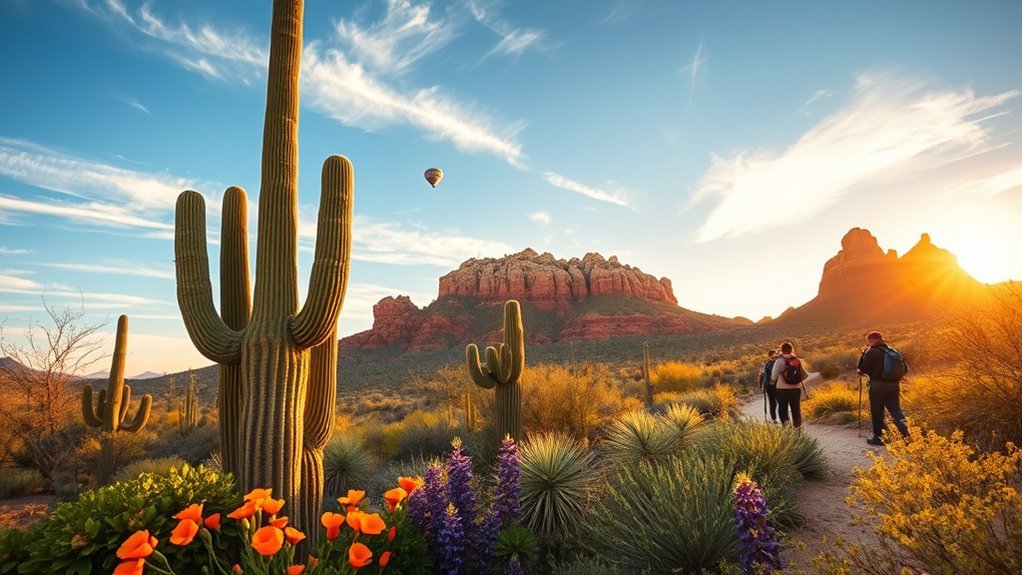
Hike in Saguaro National Park
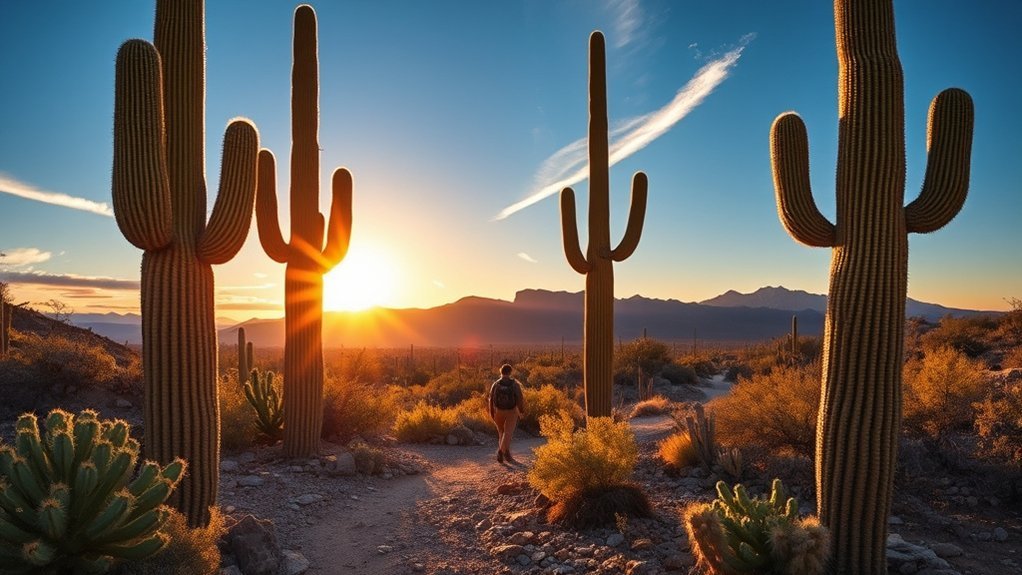
Saguaro National Park is one of the best places to understand the landscape that defines Tucson. The park has two districts on opposite sides of the city: the Tucson Mountain District to the west and the Rincon Mountain District to the east. Both offer short nature walks, longer desert hikes, scenic drives, and viewpoints filled with giant saguaros.
Choose a trail that matches your fitness and the weather rather than chasing mileage. In hot conditions, heat exposure and dehydration matter more than distance. The National Park Service recommends carrying plenty of water and checking current park conditions before setting out because road, trail, and weather conditions can change.
Pro Tip: For softer light and cooler temperatures, visit near sunrise or late afternoon. If you are hiking in summer, an early start is much safer than planning your longest walk around midday.
Explore Tucson’s Historic Fourth Avenue
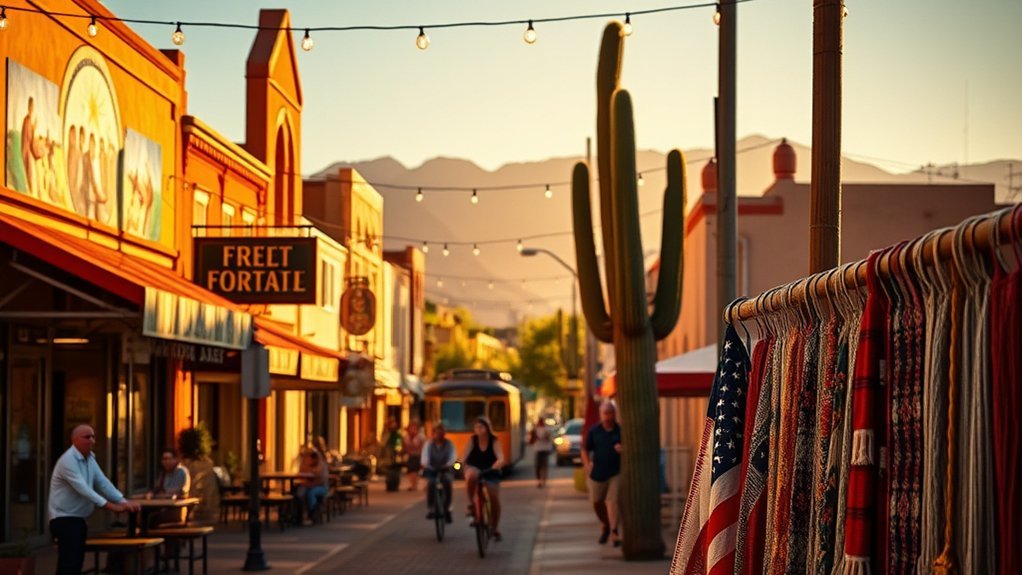
Fourth Avenue is an easy place to combine shopping, food, nightlife, and people-watching. The district sits between downtown and the University of Arizona and is served by the Sun Link streetcar, so you can visit without moving your car between every stop.
Shops and Boutiques
Browse independent shops for vintage clothing, records, books, jewelry, art, Southwestern goods, and locally made gifts. Store hours vary, and the mix of businesses changes over time, so slow wandering works better than building a rigid shop-by-shop schedule.
Bars and Eateries
Fourth Avenue also works well for a casual meal or evening drink. You will find coffee shops, bars, patios, quick-service restaurants, and places serving Mexican and Southwestern flavors. Instead of assuming every venue has live music or patio seating, check the day’s schedule and pick the atmosphere you want.
| Best for | What to expect | Timing tip |
|---|---|---|
| Shopping | Independent and vintage stores | Late morning to afternoon |
| Food and nightlife | Casual restaurants, bars, and patios | Late afternoon through evening |
Visit the Arizona-Sonora Desert Museum
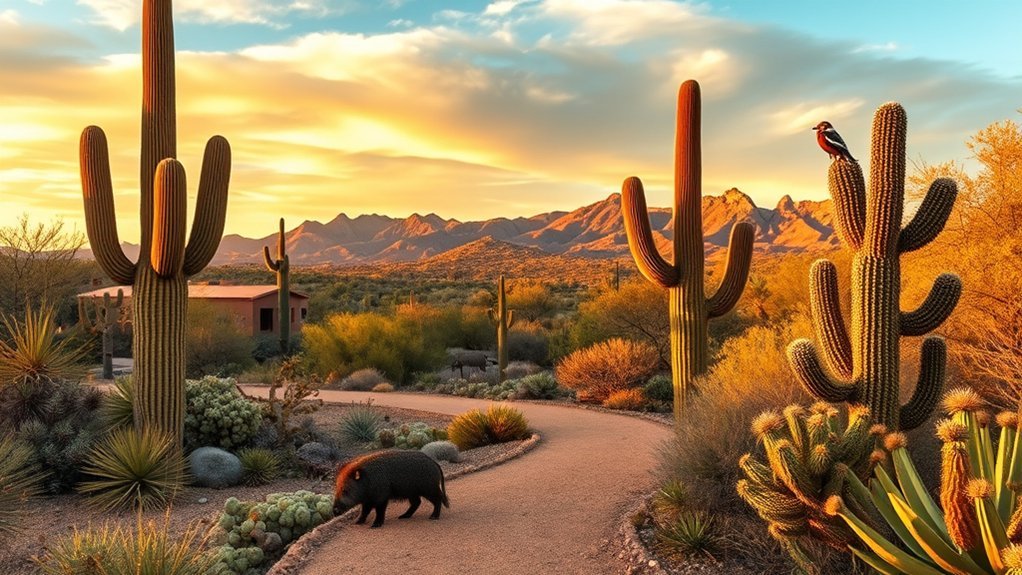
The Arizona-Sonora Desert Museum is not a traditional indoor museum. It combines a zoo, botanical gardens, natural-history exhibits, aquarium spaces, and art, with much of the experience outdoors. That makes it especially useful for first-time visitors who want to identify the animals, plants, and habitats they will see around southern Arizona.
Live Desert Animal Encounters
Animal exhibits feature Sonoran Desert species in naturalistic settings, and scheduled programs may include live-animal presentations or docent activities. Program times change, so use the museum’s daily hours and activity page rather than assuming a particular feeding, flight, or handling demonstration will run during your visit.
Native Plants and Habitats
The gardens help you recognize saguaros, palo verdes, agaves, desert grasses, riparian plants, and other species adapted to the Sonoran Desert. Interpretive displays explain how water, elevation, shade, soil, and seasonal rain shape local ecosystems. In summer, arrive early and take advantage of water stations and shaded areas.
Tour Mission San Xavier Del Bac
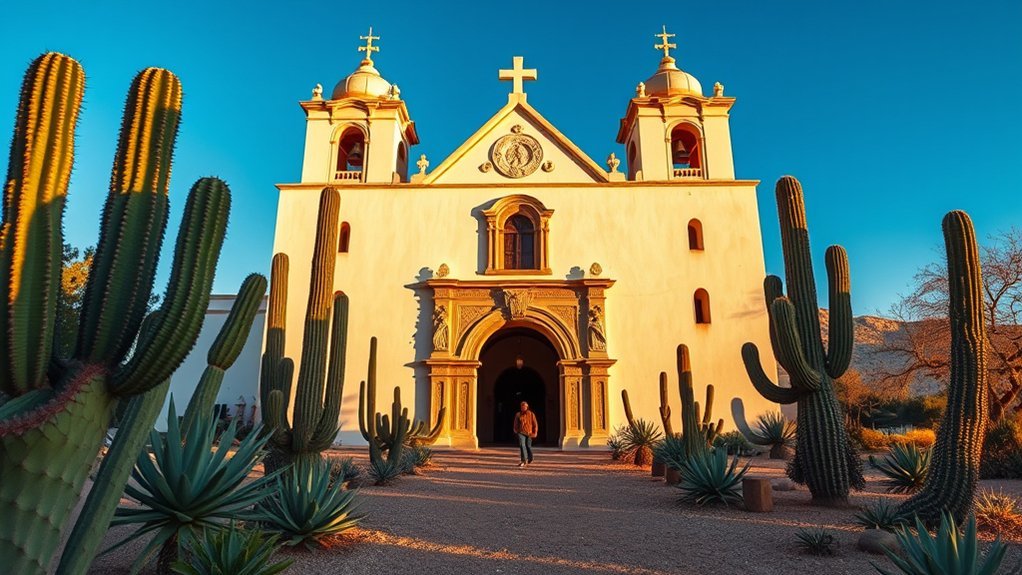
Mission San Xavier del Bac, about nine miles south of downtown Tucson, is an active church on the San Xavier District of the Tohono O’odham Nation. Founded in 1692, it remains a place of worship and community life as well as an important historic site. Visitors should treat it as a living sacred place, not simply an architectural attraction.
The church, museum, and grounds have specific visiting hours, and free docent-led tours are generally offered on days other than Sunday. Check the Mission’s official visitor information before going. Photography rules can depend on context, and photographs are generally not permitted during ceremonies, so ask before photographing worship or community events.
- White stucco facade and sculpted towers
- Historic interior artwork and religious decoration
- Courtyard and desert setting on tribal land
- Ongoing role in the local Tohono O’odham community
- Gift shop and visitor areas with posted hours
Stroll Through Sabino Canyon
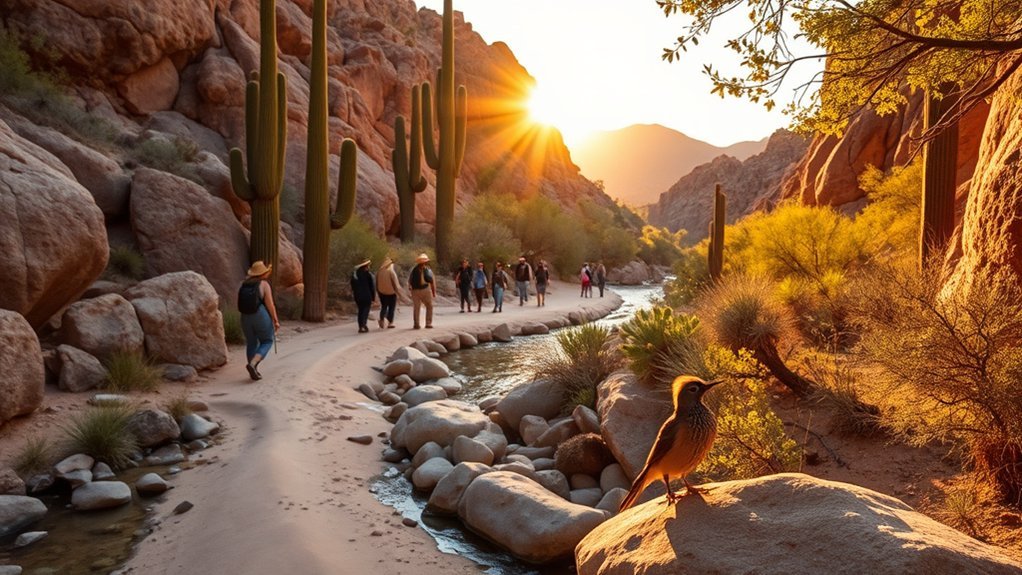
Sabino Canyon Recreation Area offers a mix of paved access, desert and riparian scenery, hiking routes, and shuttle service into the canyon. It is a strong choice for travelers who want mountain views without committing to a difficult all-day hike.
Scenic Canyon Trails
Routes range from easy walking near the visitor area to longer hikes that connect with the Santa Catalina Mountains. Conditions change with heat, storms, and water flow. Wear sturdy shoes, carry water, stay out of flooded washes, and match your route to the day’s weather.
- Saguaro and desert-scrub views near the lower canyon
- Riparian vegetation near Sabino Creek
- Granite formations and mountain overlooks
- Trail connections for both shorter and longer hikes
- Seasonal water that can change access after storms
Shuttle and Tram Options
The current service is the Sabino Canyon Crawler, an electric narrated shuttle. Tickets are tied to a departure time, and advance reservations are strongly recommended during busy periods. The operator warns that hopping off does not guarantee a seat on a later shuttle, so read the current rules and availability before relying on hop-on service. Check Sabino Canyon Crawler for current schedules, prices, and weather-related changes.
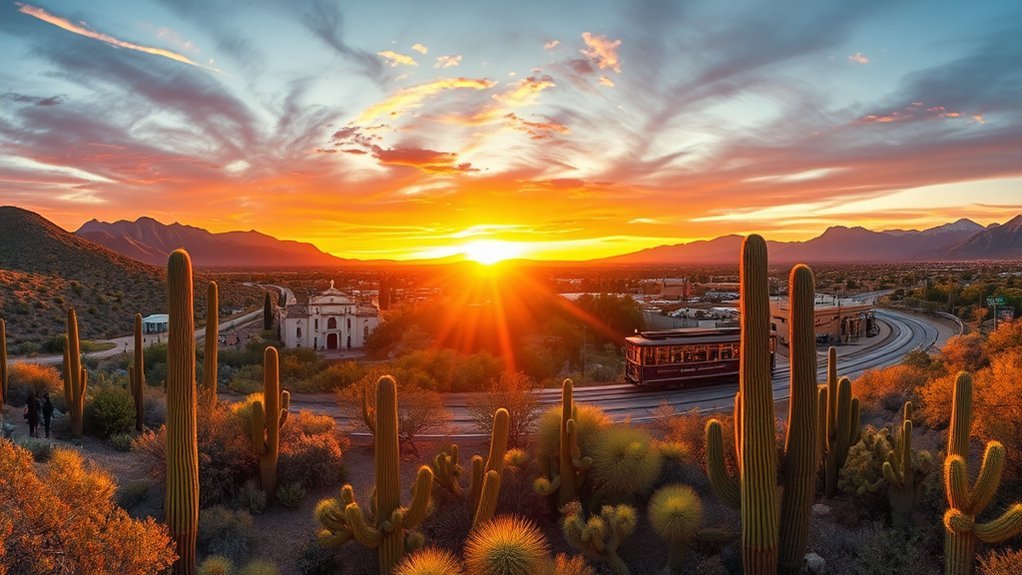
Watch the Sunset at Gates Pass
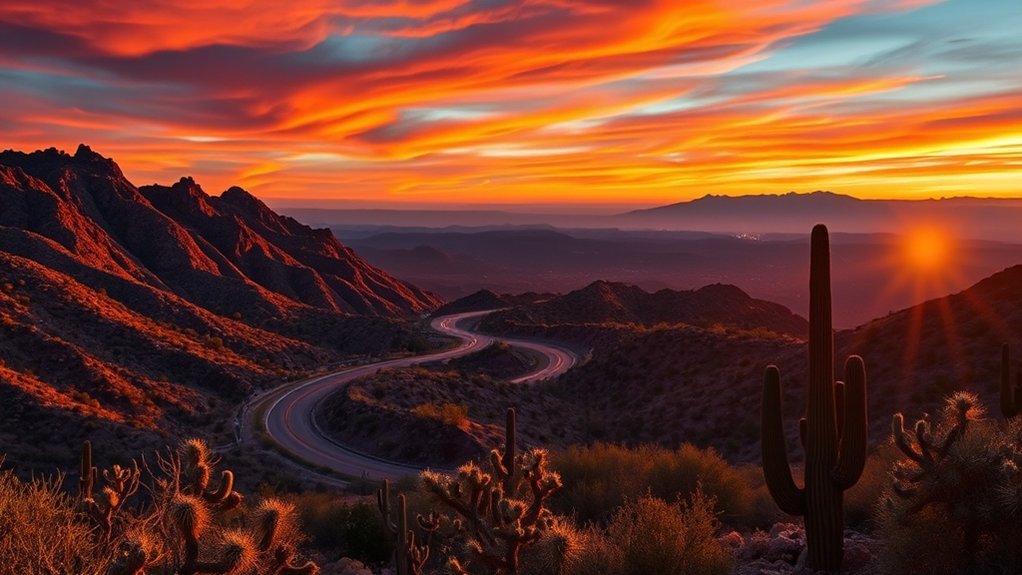
Gates Pass Overlook is one of Tucson’s classic sunset stops. From the paved overlook and nearby trails, you can watch low light spread across saguaros, ridgelines, and the Tucson Mountains.
Use the designated parking area rather than improvising roadside parking. Pima County lists the Gates Pass staging area as having space for about 50 vehicles and operating from 6 a.m. to 8 p.m., so sunset visitors should allow time to arrive, park legally, and leave before the gate closes.
- Saguaros silhouetted against the western sky
- Layered Tucson Mountain ridges
- Short paths near the overlook
- Fast-changing light after the sun drops
- Limited parking during popular sunset periods
Arrive before the best light, bring water, and carry a light layer in cooler months. Keep dogs off trails where Pima County rules prohibit them.
Discover the University of Arizona Campus and Museums
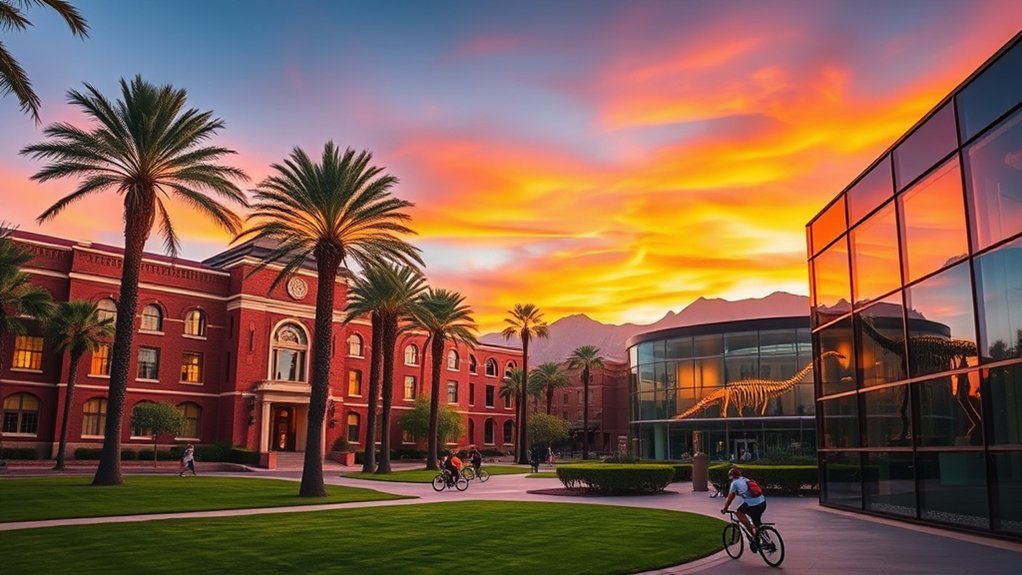
The University of Arizona campus is still worth exploring, but one major detail in older Tucson guides is now outdated: Arizona State Museum’s North Building has been closed to the public since August 1, 2024 because of aging infrastructure. Do not plan a visit expecting its normal exhibit galleries to be open unless the museum announces a reopening.
Instead, check currently open campus options such as the Center for Creative Photography, the University of Arizona Museum of Art, and the Flandrau Science Center & Planetarium. Flandrau sells planetarium tickets online and in person, and popular shows can sell out. Campus museums also have holiday, installation, and summer closures, so check each official calendar before walking over.
Note: Arizona State Museum still maintains collections, programs, and institutional operations, but its main public exhibit building is not currently operating as a normal walk-in museum.
Experience the Tucson Botanical Gardens
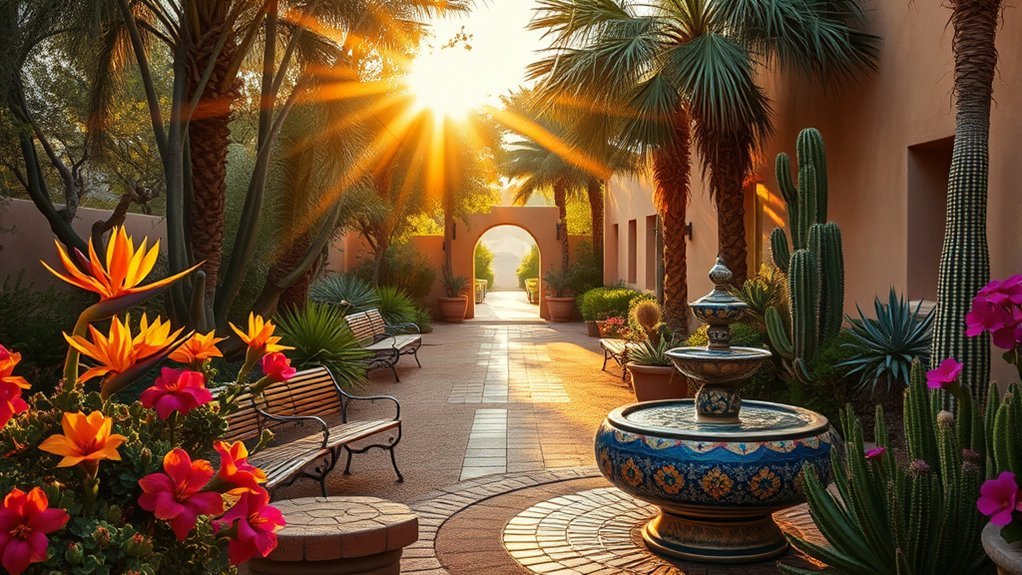
Tucson Botanical Gardens packs themed gardens, desert plants, herbs, shade, art, and seasonal programming into a compact property. It is easier to explore than a large nature preserve, which makes it a useful stop when you want plants and outdoor time without a long hike.
The Cox Butterfly and Orchid Pavilion is seasonal, not a guaranteed year-round attraction. Tucson Botanical Gardens lists Butterfly Magic as an October-through-May experience, and the 2025–2026 season closed on May 31, 2026. If the butterfly pavilion is a priority, confirm the next season before buying tickets.
- Desert and succulent collections
- Herb and specialty gardens
- Seasonal butterfly and orchid pavilion
- Shaded benches and compact walking paths
- Rotating exhibits, classes, and garden programs
Eat Sonoran-Style Tacos in a Local Taquería

Tucson’s food culture is a reason to build meals into your sightseeing plan rather than treating them as an afterthought. In a local taquería, look for carne asada, flour tortillas, roasted chiles, beans, salsas, and other Sonoran-border flavors. Menus vary, so avoid assuming every taquería specializes in the same fillings or preparation style.
Order a few different tacos, add salsa gradually if you do not know the heat level, and notice the tortilla as much as the filling. If you have more meals to spare, Tucson’s Sonoran hot dogs, bakeries, and regional Mexican restaurants broaden the picture beyond tacos alone.
Attend a Performance at the Rialto Theatre

The Rialto Theatre is a historic downtown venue with roots in Tucson’s early-20th-century entertainment district. Today it operates primarily as a live performance venue, with touring music, comedy, and other events rather than as a conventional movie palace.
Historic Movie Palace
The building opened during the 1920s and has gone through multiple names, closures, uses, and renovations. Instead of expecting preserved original seating or a museum-like interior, go for the combination of history and an active modern venue. The theater’s own history page documents its long transition from early cinema to concert use.
- Historic Congress Street location
- Classic marquee and downtown setting
- Layers of theater and music history
- Renovated performance space
- Easy access to nearby restaurants and bars
Live Music & Events
Check the event calendar before your trip and buy tickets early for popular acts. Entry rules, seating or standing arrangements, age restrictions, and bag policies can vary by event, so use the details for your specific show rather than generalizing from past visits.
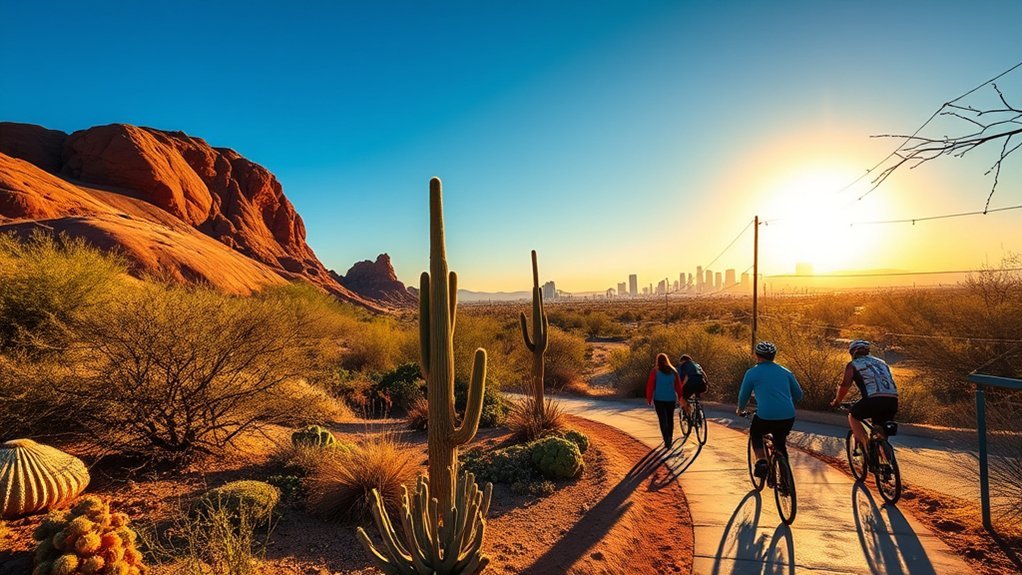
Bike or Walk the Loop Multi-Use Paths
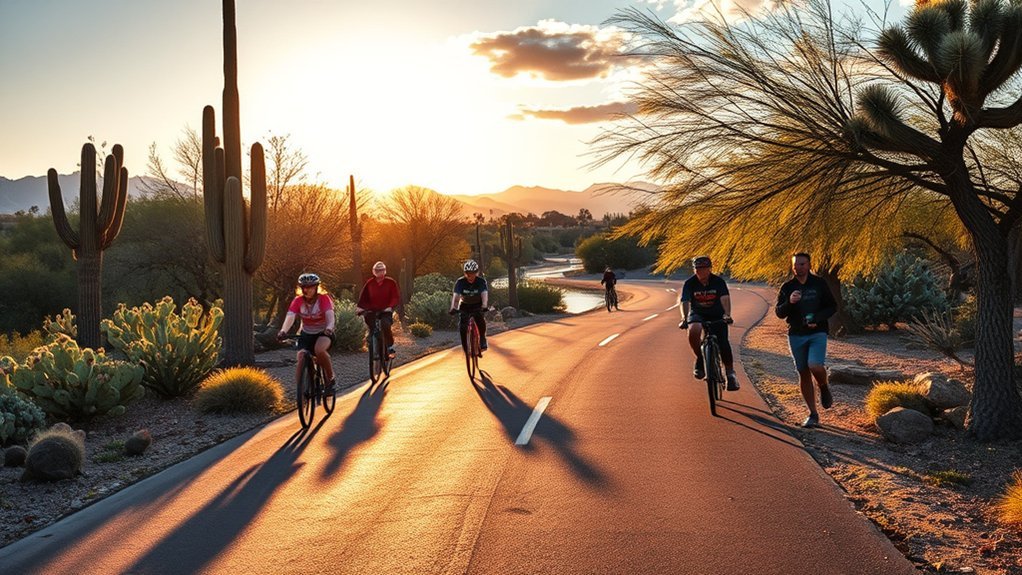
The Chuck Huckelberry Loop is a regional network of paved shared-use paths and short bike-lane connections linking river parks, washes, neighborhoods, parks, and services around metro Tucson. Pima County reports more than 138 miles of paved pathways and bike lanes, including a 53.9-mile complete circuit.
The important correction is that you do not drive on The Loop. Motorized vehicles are prohibited except for authorized and accessibility uses. Drive only to a trailhead or parking area, then walk, run, skate, ride a bike, or use another permitted non-motorized mode. Pima County also states that The Loop is open from sunrise to sunset and nighttime use is prohibited.
- Long paved stretches along river parks and washes
- Connections to parks, trailheads, transit, and neighborhoods
- Useful routes for cycling, walking, and running
- Public art and neighborhood access along some segments
- Little shade on many exposed stretches, so carry water and sun protection
Explore the Presidio Historic District
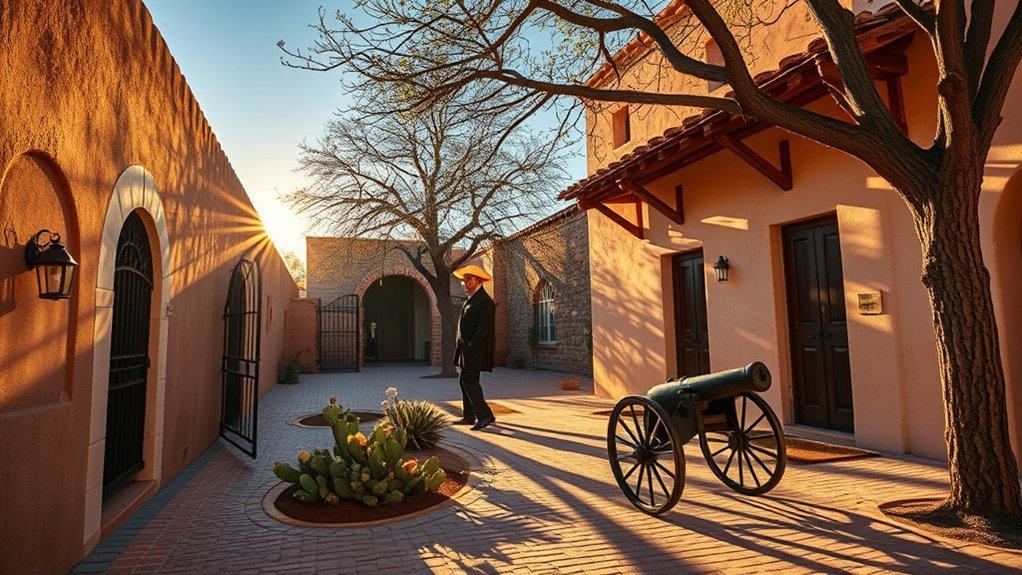
Tucson’s Presidio Historic District gives you a walkable introduction to the city’s Spanish, Mexican, Indigenous, and territorial layers. Rather than expecting a single preserved historic compound, think of the area as a downtown district with historic structures, museums, courtyards, restaurants, and interpretive sites woven into the modern city.
Walk slowly, read historical markers, and consider pairing the neighborhood with the Tucson Museum of Art or a downtown food stop. Guided walking tours can add context that is easy to miss when viewing adobe walls and street patterns on your own.
| Feature | Why it matters |
|---|---|
| Adobe architecture | Shows historic building traditions |
| Museums and historic sites | Add context, artifacts, and interpretation |
| Guided walks | Connect buildings to local stories |
| Plazas and courtyards | Make the district easy to explore on foot |
Stargaze at Kitt Peak National Observatory
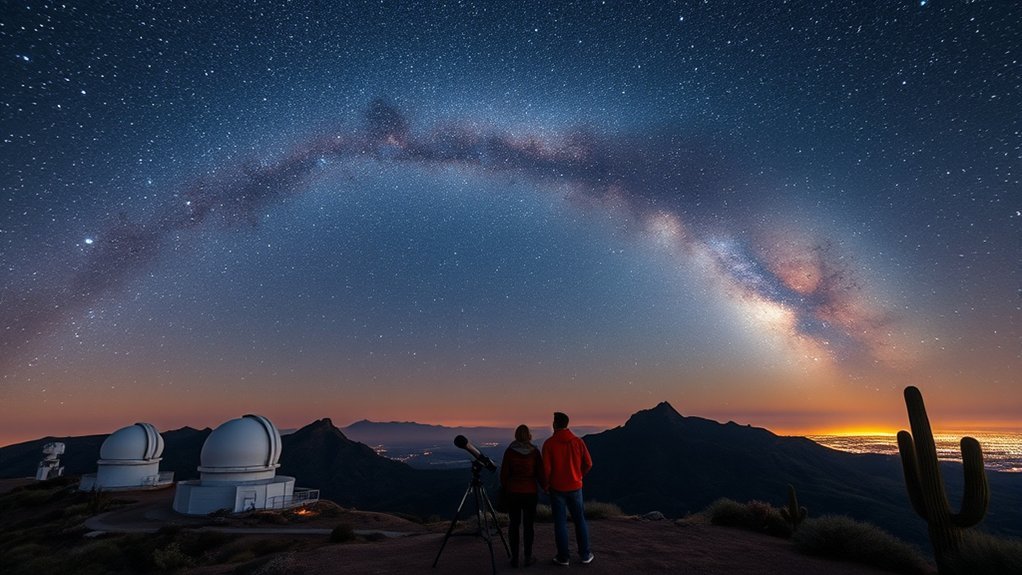
Kitt Peak National Observatory sits on I’oligam Du’ag (Kitt Peak) on the Tohono O’odham Nation, well outside central Tucson. The drive and elevation make this a dedicated excursion, not a quick downtown add-on.
NOIRLab offers guided daytime tours and nighttime public observing programs. Night programs can include guided sky interpretation and telescope observing, but the exact experience depends on the program, weather, telescope availability, and operating conditions. Reserve a program before making the drive and follow all arrival instructions.
Kitt Peak is a working observatory as well as a visitor destination. Treat program times, road access, weather, and dark-sky rules as part of the experience, not optional details.
- High-elevation views above the Sonoran Desert
- Large research telescope domes
- Guided daytime and nighttime programs
- Dark-sky observing when weather cooperates
- Cooler temperatures than Tucson, especially after sunset
Wander Through the Mercado San Agustín
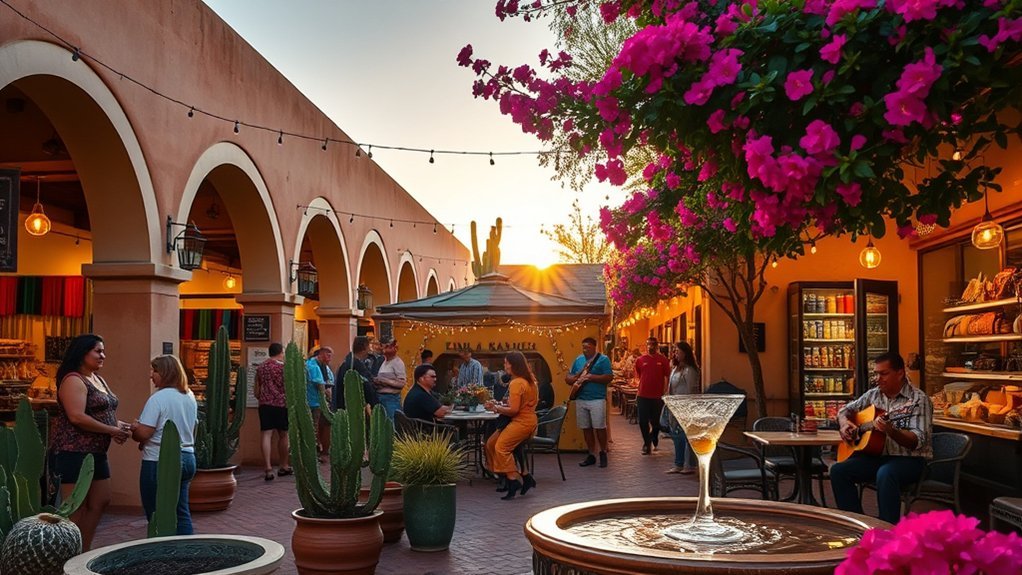
Mercado San Agustín is a west-side public market with locally owned restaurants, shops, and services arranged around an open-air courtyard. It is a good stop for coffee, baked goods, lunch, shopping, or a break between downtown sightseeing and attractions farther west.
Do not expect the same pop-up stalls every day. Markets and special events run on specific dates, often in the wider Mercado District or nearby MSA Annex. Check event listings if vendor markets or live entertainment are the main reason for your visit. The Sun Link streetcar reaches the Mercado area, which makes it easy to combine with downtown and Fourth Avenue.
Take a Guided Mexican Food or Margarita Tour

A guided food tour can connect Tucson’s restaurants to the city’s borderland history and ingredients. Depending on the operator, a tour may focus on tacos, bakeries, downtown restaurants, regional Sonoran dishes, cocktails, or a mix of stops.
Choose a tour based on the published itinerary rather than assuming every experience includes the same number of tastings or specific dishes. Confirm walking distance, duration, dietary accommodations, alcohol policy, age restrictions, and what is included in the price before booking.
- Fresh tortillas and regional breads
- Carne asada and other grilled specialties
- Salsas, chiles, beans, and local condiments
- Neighborhood history tied to food businesses
- Optional cocktail-focused stops on adult tours
Visit the Pima Air & Space Museum

The Pima Air & Space Museum is large enough to deserve several hours. Its official visitor information lists six indoor exhibit hangars, an extensive outdoor aircraft collection, and hundreds of aircraft and artifacts across the property.
Do not assume you can climb into every aircraft. Interior access is limited to select aircraft tours on specific dates, and some tours do not include flight-deck access. The museum also states that the former bus tours to the 309th AMARG “Boneyard” on Davis-Monthan Air Force Base have permanently ended. Current options include museum-ground tram tours, audio tours, private walking tours, and simulator sessions.
Summer hours are shorter than the October-through-May schedule, so check the museum’s current hours before arriving late in the day.
Explore Mount Lemmon and the Sky Islands
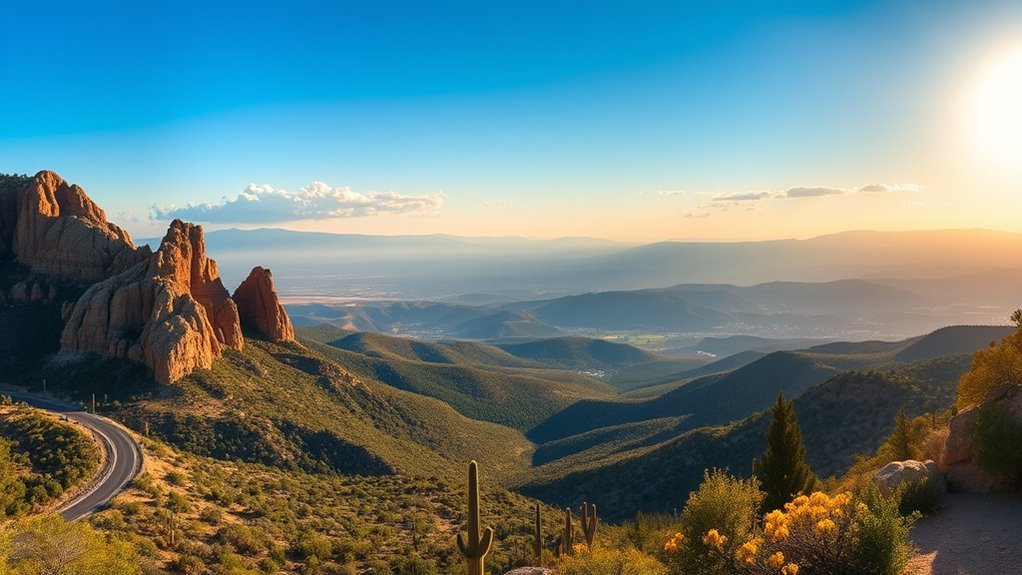
Driving toward Mount Lemmon is one of Tucson’s most dramatic landscape changes. As the Catalina Highway climbs, desert vegetation gives way to oak, pine, cooler temperatures, rock formations, and broad overlooks. The elevation change is the main attraction even if you never do a long hike.
Mount Lemmon Scenic Drive
Use designated pullouts for views and give yourself time for slow mountain driving. Weather can differ sharply from Tucson, especially in winter or during thunderstorms. Fuel, food, and services are more limited than in the city, so start with enough gas, water, and layers for changing temperatures.
- Desert vegetation at lower elevations
- Granite cliffs and mountain overlooks
- Oak and pine at higher elevations
- Large temperature change from the Tucson basin
- Pullouts that make the drive worthwhile without a long hike
Sky Island Hiking Trails
Mount Lemmon trails range from short walks to strenuous routes. Trailheads such as Marshall Gulch provide access to higher-elevation forest, but water availability should never be assumed. Carry your own water, stay on established trails, check current forest alerts, and start early when summer monsoon storms are possible.
Go Birdwatching in the Sweetwater Wetlands
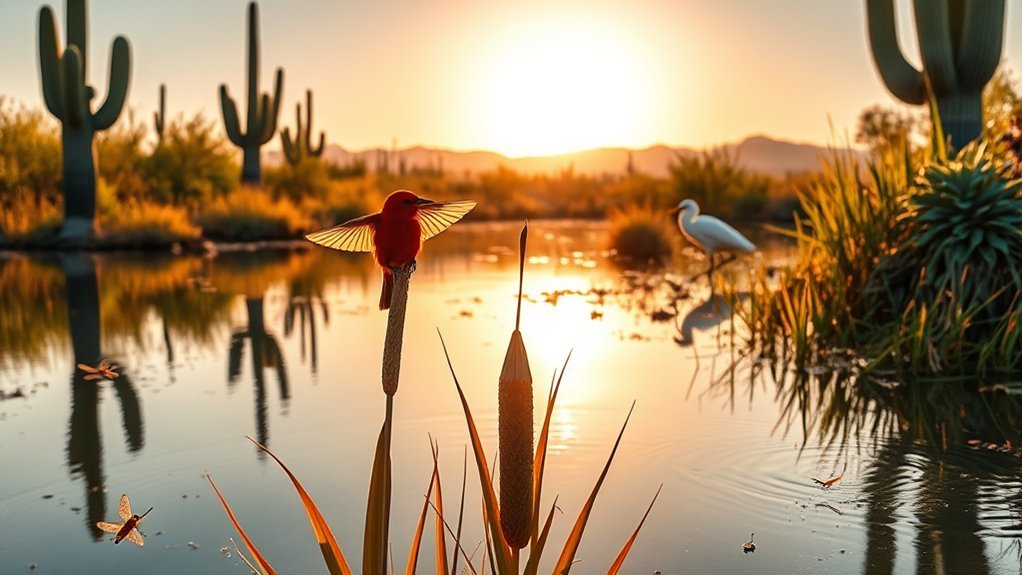
Sweetwater Wetlands is an urban wildlife refuge and education site operated by Tucson Water alongside the Sweetwater Recharge Facility. It is a strong birding stop because ponds, reeds, mesquite, and open water create habitat that contrasts sharply with the surrounding desert city.
The site is normally accessible from dawn to dusk but may close for maintenance, surveys, or other operational needs. Pets and horses are not allowed, though service animals are permitted. Weekly birding field trips may be available through the Tucson Bird Alliance; confirm current registration details before going.
- Wetland ponds and cattail habitat
- Waterfowl, shorebirds, songbirds, and occasional raptors
- Flat walking routes and self-guided educational material
- Good early-morning bird activity
- No-pet rule that protects the wildlife refuge
See Contemporary Art at the Tucson Museum of Art
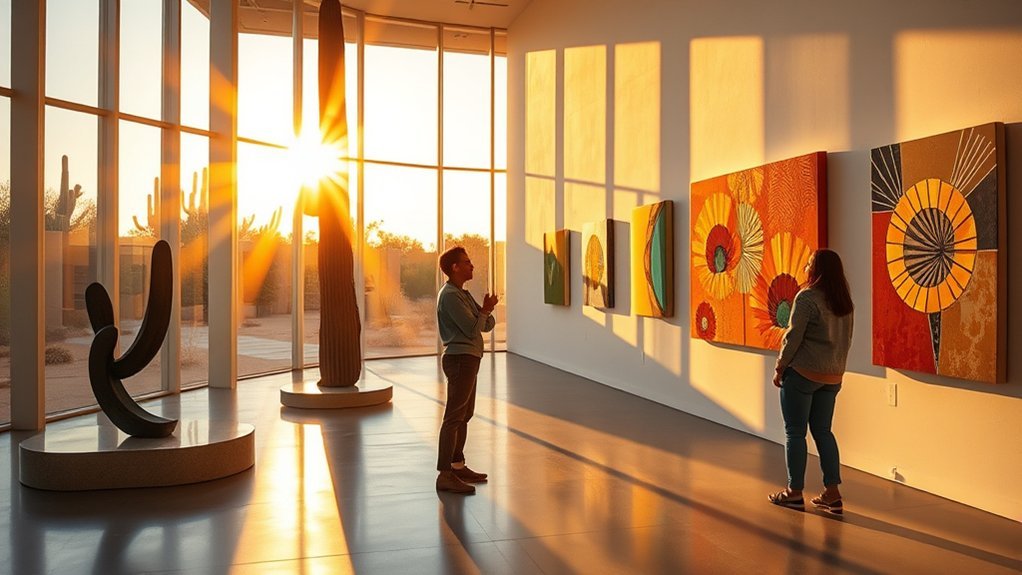
The Tucson Museum of Art and Historic Block combines rotating exhibitions, permanent-collection displays, and historic buildings in the Presidio area. Its collections and exhibitions cover more than contemporary art, including Latin American art, Indigenous arts, the American West, and modern work.
Exhibitions change throughout the year. In 2026 the museum is presenting the Arizona Biennial alongside other rotating and ongoing displays, so check the current exhibition calendar instead of relying on an old list. Public docent tours are also offered on scheduled days.
Sip Craft Beer at Local Breweries

Tucson’s brewery scene gives you an easy evening option after museums or outdoor sightseeing. Tap lists rotate, so expect a changing mix of IPAs, lagers, dark beers, seasonal releases, and experimental batches rather than one fixed “Tucson style.”
If you are driving, keep the tasting plan modest or choose rideshare, transit, or a walkable cluster. Food availability also varies by taproom: some have kitchens, some host food trucks, and others focus mainly on beer.
Treat a brewery stop as an evening add-on, not a reason to rush a desert hike or drive after drinking. Tucson’s best itinerary leaves room for both safety and spontaneity.
- Rotating draft lists
- Indoor taprooms and outdoor patios
- Flights for sampling smaller pours
- Food trucks or on-site kitchens at some locations
- Easy pairings with downtown and Fourth Avenue nightlife
Tour the DeGrazia Gallery in the Sun
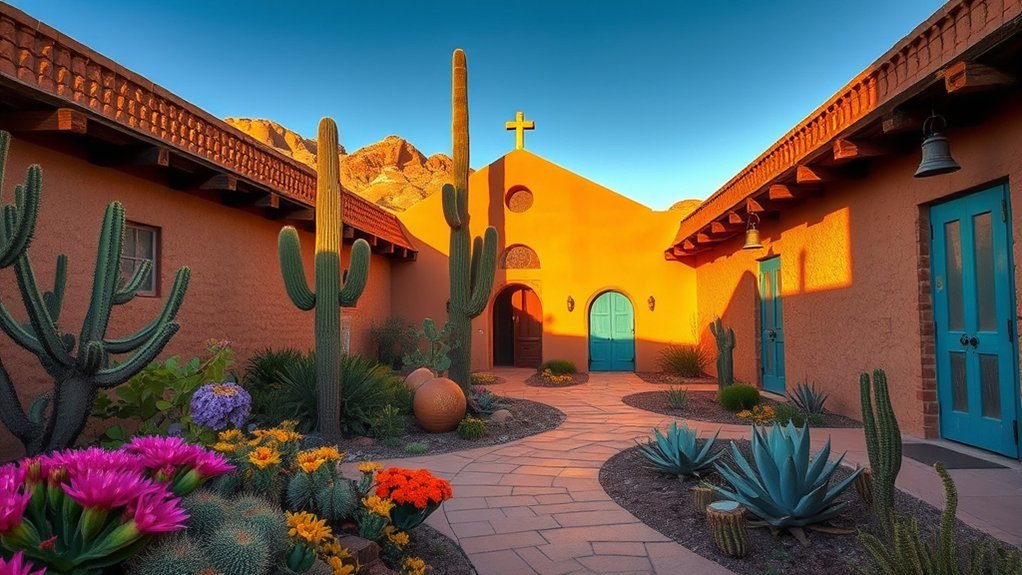
DeGrazia Gallery in the Sun is a 10-acre National Historic District created by Arizona artist Ettore “Ted” DeGrazia. The site combines galleries, desert landscaping, the artist’s former spaces, and distinctive adobe architecture.
The experience is self-guided, not a standard docent-led tour. The official site recommends allowing at least an hour, with extra time for the grounds, gift shop, and documentary. The Mission in the Sun is also on the property; after a 2017 fire, portions of DeGrazia’s painted frescoes remain visible.
Attend the Tucson Gem and Mineral Show (Seasonal)
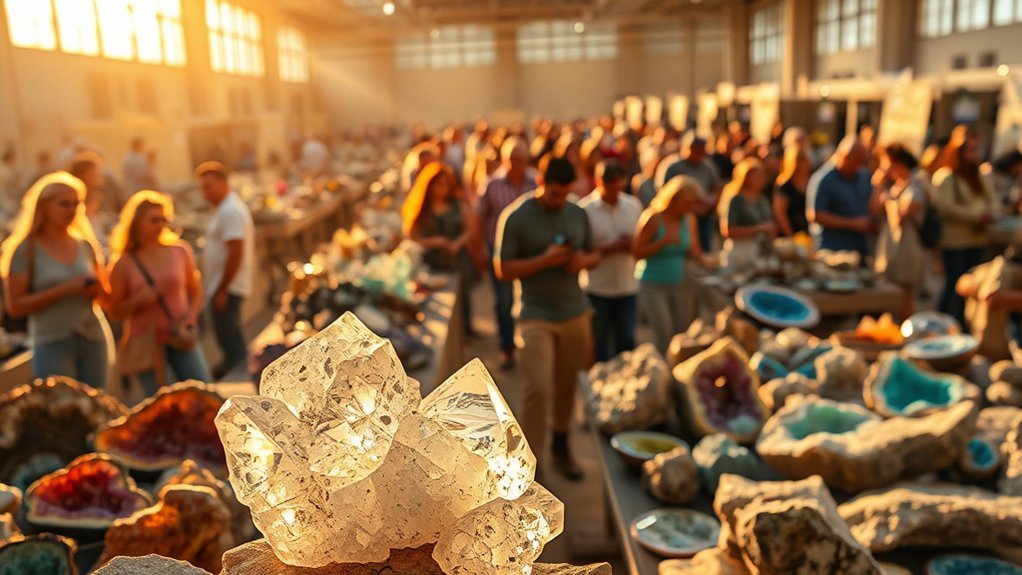
The Tucson Gem and Mineral Show is a major annual event, but it is important to distinguish the official Tucson Gem and Mineral Show from the much larger network of independent gem, mineral, fossil, and jewelry shows that fill the city during the winter showcase season.
Show History Highlights
The Tucson Gem and Mineral Society says its show has held international stature since the 1970s and brings together hobbyists, the public, dealers, curators, and educational exhibitors. The next official event announced after the 2026 show is the 72nd Annual Tucson Gem and Mineral Show, February 11–14, 2027, at the Tucson Convention Center.
- Competitive and museum-quality mineral displays
- Retail dealers and educational exhibitors
- Minerals, fossils, jewelry, and lapidary work
- Lectures and earth-science programming
- Large crowds during the wider Tucson showcase season
Best Exhibits to See
Prioritize special and guest exhibit cases, educational exhibitors, and any scheduled lectures that match your interests. The featured theme and individual specimens change from year to year, so use the official show program rather than a past “must-see” list.
Buying and Bargaining Tips
Set a budget before entering dealer areas. Ask sellers for locality, treatment, repair, and provenance information when those details matter to the value of a specimen. Compare similar pieces before buying, and do not treat bargaining as mandatory. For expensive gems or minerals, written documentation and an independent expert opinion are more useful than relying on appearance alone.
- Compare several dealers before making a large purchase
- Inspect specimens under good lighting
- Ask what is natural, treated, repaired, or reconstructed
- Keep receipts and written documentation for valuable items
- Leave room in your budget for shipping or protective packing
Ride the Sun Link Streetcar and Visit Downtown
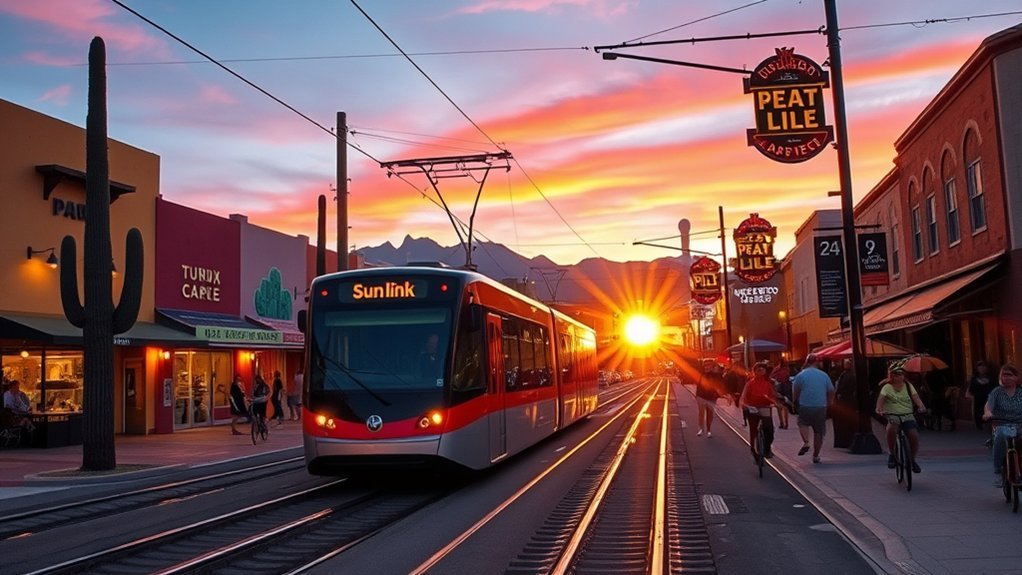
Sun Link connects the University of Arizona, Main Gate Square, Fourth Avenue, downtown, and the Mercado District along a 3.9-mile route. It is one of the easiest ways to link several stops in this guide without repeatedly parking.
The original advice about paying fares is outdated. The City of Tucson states that Sun Tran and Sun Link fares are currently waived. Service frequency and late-night hours vary by day, so check the current schedule and platform information rather than assuming the same interval all week.
Take a Day Trip to the Tohono O’odham Nation Cultural Center & Museum
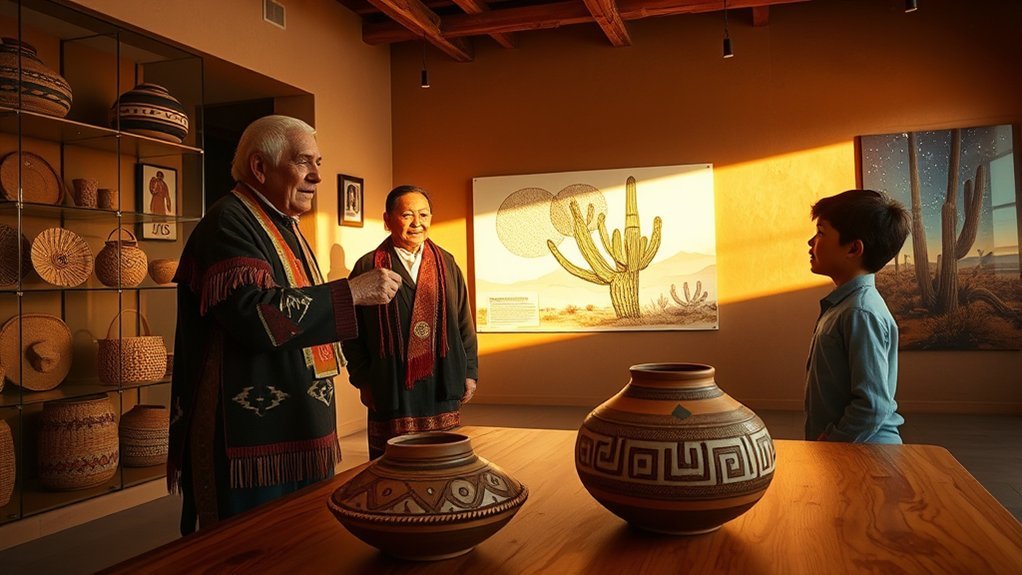
The Tohono O’odham Nation Cultural Center & Museum, also known as Himdag Ki:, is an important place to learn about O’odham history, language, culture, and contemporary community life. However, it is not in Tucson. The Nation’s official website places the museum in Topawa, Arizona, and regional visitor information lists it roughly 86 miles southwest of Tucson.
Treat this as a dedicated day trip and call ahead before driving. The museum’s mission is to preserve and promote respect for O’odham himdag through collections, exhibitions, education, and public outreach. Follow tribal rules carefully, especially around photography, ceremonies, cultural materials, and access to places outside normal visitor areas.
- O’odham history and cultural interpretation
- Basketry, arts, archival material, and community stories
- Language and cultural-preservation work
- Location on the Tohono O’odham Nation in Topawa
- Long round-trip drive from Tucson that requires advance planning
Take a Hot Air Balloon Ride Over the Sonoran Desert
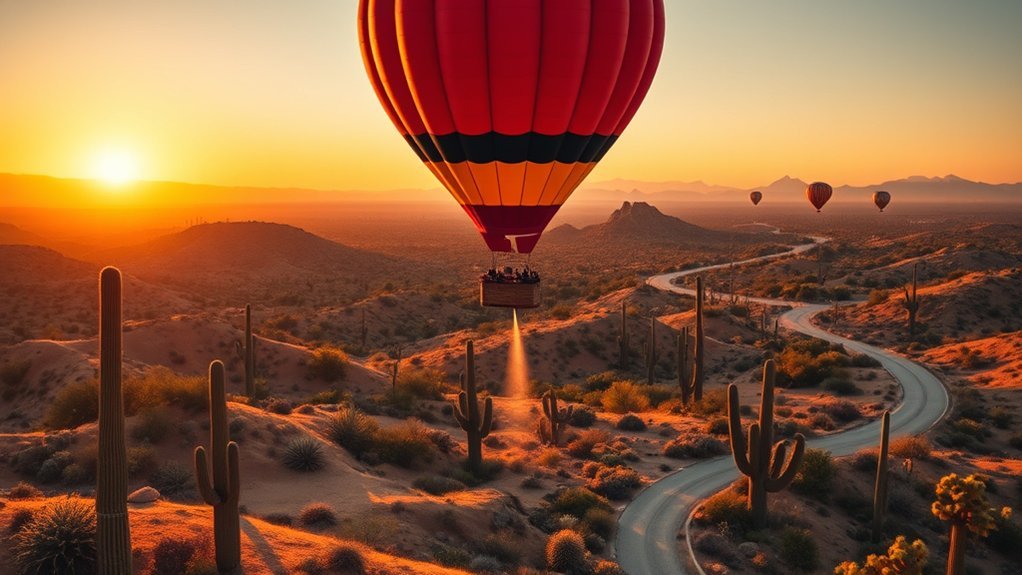
A hot air balloon ride can give you a wide view of desert washes, mountain ranges, and saguaro country, but the exact route is controlled by wind rather than a fixed sightseeing path. Reputable operators choose launch sites based on weather and safety conditions, so do not book expecting guaranteed views of a particular landmark or archaeological site.
Most tourist flights are scheduled around sunrise when winds are often more suitable, but duration, meeting time, landing location, minimum age, weight rules, and cancellation policies vary by operator. Wear closed-toe shoes and layers, and leave flexibility in your itinerary in case weather forces a delay or cancellation.
Plan Your Tucson Itinerary by Area
Tucson looks compact on a map, but several attractions sit far apart. Group nearby stops to reduce backtracking. Downtown, Fourth Avenue, the University of Arizona, Mercado San Agustín, the Presidio area, Tucson Museum of Art, and the Rialto can fit into one transit-friendly day. Saguaro National Park West pairs naturally with Gates Pass and the Arizona-Sonora Desert Museum. Mount Lemmon and Sabino Canyon fit better into a northeast-side day.
Kitt Peak and the Tohono O’odham Nation Cultural Center & Museum deserve separate planning because of driving time and scheduled programs. If you need alternatives for families or a slower day, also consider currently operating Tucson attractions such as Reid Park Zoo or Tohono Chul, then check their official hours for your travel date.
Frequently Asked Questions
What’s the best time of year to visit Tucson for mild weather?
Late fall through spring usually offers the most comfortable conditions for hiking and outdoor sightseeing. Summer can be extremely hot, so plan outdoor activities near sunrise, use indoor attractions during the hottest hours, and watch monsoon forecasts for lightning and flash-flood risk.
Are there reliable public transit options for reaching major attractions?
Sun Link is useful for the University of Arizona, Fourth Avenue, downtown, and the Mercado District, and Tucson transit is currently fare-free. Many outlying attractions, including Saguaro National Park, Mount Lemmon, Kitt Peak, and parts of the west side, are much easier to reach by car, tour, or rideshare.
Is Tucson safe for solo travelers walking at night?
Use the same precautions you would in any city: stay in active, well-lit areas, keep valuables secure, avoid isolated shortcuts, and use a rideshare or taxi when a walk feels uncomfortable. Conditions vary by neighborhood and event, so ask your hotel or venue for current local guidance.
Can I bring my dog to outdoor parks and trails?
Rules differ by site. Some Tucson-area trails allow leashed dogs, while others do not. For example, Pima County prohibits dogs on Gates Pass trails, and Tucson Water does not allow pets at Sweetwater Wetlands. Check the exact park or trail rules before leaving with your dog.
Do I need reservations for popular restaurants and tours?
Reservations are smart for popular dinner restaurants and scheduled experiences. Sabino Canyon Crawler strongly recommends advance reservations in busy periods, and Kitt Peak programs should be booked before making the drive. Casual taquerías, markets, and many museums usually offer more flexibility.
How many days do I need for Tucson?
Three days is enough for a strong first visit: one west-side desert day, one downtown and museum day, and one Sabino Canyon or Mount Lemmon day. Add a fourth or fifth day if you want Kitt Peak, a longer hike, the Tohono O’odham Nation Cultural Center & Museum, or a slower food-focused itinerary.
Which Tucson attractions are best in summer?
Use early mornings for outdoor places and save the hottest hours for museums, galleries, Flandrau, food stops, or other indoor attractions. Mount Lemmon can also be cooler because of elevation, but thunderstorms and mountain weather still require planning.
Conclusion
Tucson is at its best when you do not try to force every attraction into one crowded day. Build around the desert: hike early, use museums and food stops when the heat rises, leave room for sunset, and treat longer drives such as Mount Lemmon and Kitt Peak as experiences in their own right. With that rhythm, saguaros, Sonoran food, historic neighborhoods, art, astronomy, and mountain scenery all fit naturally into the same trip.
Sources
- National Park Service: Saguaro National Park Current Conditions — park access, visitor information, and hiking conditions.
- National Weather Service Tucson: Monsoon Safety — heat, lightning, and flash-flood safety guidance.
- Pima County: About The Loop — path length, allowed uses, and operating rules.
- Arizona State Museum: Plan Your Visit — current closure status of the North Building.
- Tohono O’odham Nation: Cultural Center & Museum — mission and Topawa location.
- Sun Tran / Sun Link — current streetcar route and fare information.