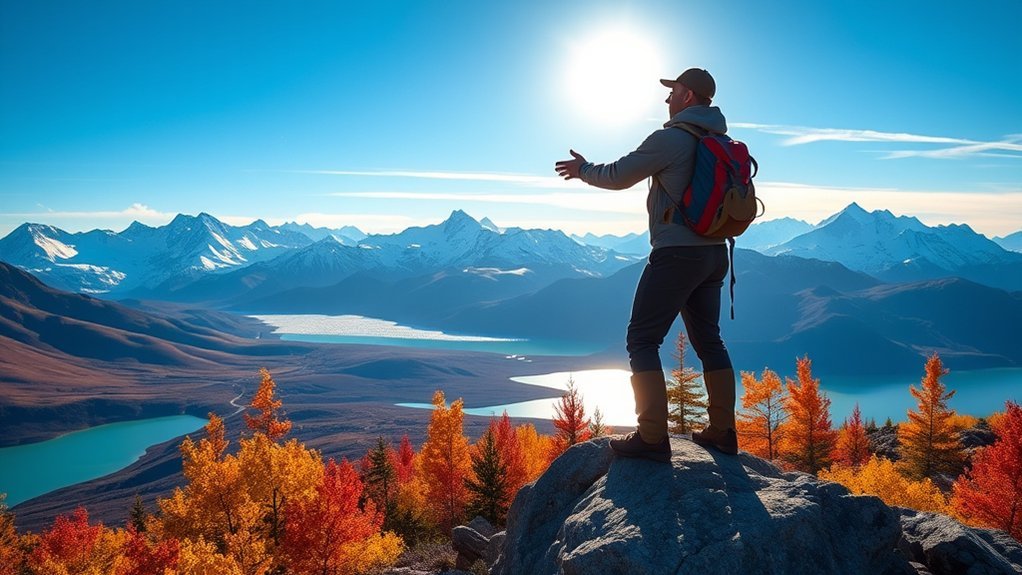
Denali National Park & Preserve is a vast Alaska wilderness known for mountain scenery, wildlife, hiking, and long stretches of open landscape. The best way to plan a visit is to match your trip to the season, check current road conditions, understand how park buses work, and prepare for fast-changing weather.
Quick Answer
The main visiting season in Denali runs from late May through mid-September, with summer offering the most services and activities. For 2026, the Pretty Rocks landslide limits transit buses to Mile 43. Plan around the current road status, park fees, hiking conditions, wildlife safety, and campground or backcountry rules.
Key Takeaways
- Summer is the main season for visitor services, bus trips, ranger programs, and developed camping.
- In 2026, transit buses travel only as far as East Fork at Mile 43 because of the Pretty Rocks landslide.
- Denali charges a $15 entrance fee for visitors age 16 and older; children 15 and younger are free.
- Wildlife sightings are never guaranteed, so allow time for observation and keep a safe distance from animals.
- Backcountry camping requires additional planning and a permit, while developed campgrounds provide a simpler overnight option.
At a Glance
| Best Main Season | Late May through mid-September |
| Difficulty | Easy to strenuous, depending on activity |
| Tools Needed | Weather layers, sturdy footwear, water, navigation, binoculars, and bear-safety equipment when appropriate |
| Basic Entrance Cost | $15 per person age 16 or older; valid for seven days |
Planning Your Visit
Denali is open year-round, but the amount of available services changes sharply with the season. Summer is the main visiting period, while winter offers a quieter experience with fewer facilities and services. The National Park Service lists the main summer season as May 20 through mid-September.
Before traveling, check the National Park Service current conditions page for road closures, seasonal changes, and other alerts.
Warning: Park access can change because of weather, landslides, construction, wildlife activity, or other conditions. In 2026, the Pretty Rocks landslide is affecting bus service, so do not rely on older guides that describe full-length bus travel along the Park Road.
When to Visit
Summer provides the widest range of visitor services. Bus trips, ranger programs, many campgrounds, and other visitor facilities operate during the main season.
Fall brings shorter days and changing vegetation. It can be a good time for visitors who prefer fewer people, but seasonal services begin to close. Winter is much quieter and supports activities such as skiing, snowshoeing, and dog mushing, but visitors need to be prepared for limited services and severe weather.
Spring is a transition period. Snow and weather can still affect travel, while some summer facilities have not yet opened.
2026 Road and Bus Conditions
The Denali Park Road is one of the most important parts of a Denali trip, but access is not normal in 2026. The Pretty Rocks landslide has led to changes in road and bus operations.
For the 2026 summer season, transit buses travel only as far as East Fork at Mile 43. The National Park Service says full bus service along the Park Road is expected to resume in 2027.
As of late August 2026, hikers and cyclists can travel on the road west of East Fork and across the Pretty Rocks bridge, but buses continue to stop at East Fork for the rest of the 2026 season.
Because conditions can change, check the official Denali current conditions information shortly before your trip.
Getting to Denali National Park
Denali is accessible by road, train, and other transportation services. The park entrance is on Alaska Highway 3, also called the George Parks Highway, about 240 miles north of Anchorage and 120 miles south of Fairbanks.
- Drive: Follow Alaska Highway 3 to the park entrance. Driving gives you more flexibility before and after your park visit.
- Train: The Alaska Railroad connects Anchorage and Fairbanks and stops at the Denali entrance area.
- Bus or van: Private transportation companies operate seasonal services between Denali and larger Alaska destinations.
- Fly: Most travelers who fly into Alaska use Anchorage or Fairbanks and then continue to Denali by road or rail.
Healy is the nearest year-round community to the park entrance and is useful for lodging, food, fuel, and other services. Talkeetna is farther south and is especially associated with access to Denali mountaineering operations rather than being the normal gateway for a general park visit.
For official directions and transportation information, see the National Park Service Directions & Transportation guide.
Best Times to Visit
The right time to visit depends on what you want to do. Summer is best for the broadest range of visitor services. Fall offers changing vegetation and shorter-season travel. Winter is suited to snow-based activities and visitors who are comfortable with limited services.
Summer Wildlife Viewing
Summer is a popular time for wildlife viewing because visitors can spend longer periods outside and use seasonal transportation through the park.
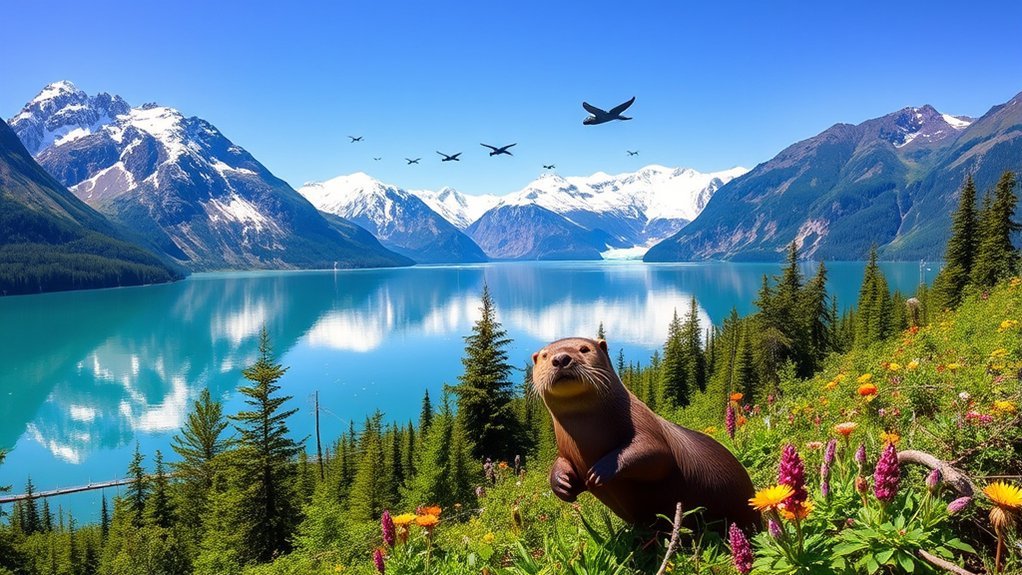
Denali is home to 39 species of mammals, including moose, caribou, Dall sheep, wolves, and grizzly bears. The National Park Service refers to these five as the park’s “Big Five.”
Wildlife movement is unpredictable, so there is no guaranteed time or place to see a particular animal. A longer bus ride can improve your opportunities because you cover more habitat and have more time to scan the landscape.
- Allow plenty of time: Wildlife may appear briefly or remain hidden for long periods.
- Carry binoculars: Many animals are seen at a considerable distance.
- Scan open slopes and valleys: Look carefully rather than expecting animals to be close to the road.
- Keep your distance: Never approach, surround, feed, or intentionally disturb wildlife.
Fall Foliage Colors
Fall can bring strong color changes to Denali’s tundra and shrubs. The exact timing varies with weather and elevation, so there is no single guaranteed peak week.
September is a popular period for visitors who want fall scenery and potentially fewer people than during the busiest part of summer. However, some visitor services begin closing as the season progresses.
If fall scenery is your main goal, check current operating dates before booking transportation or accommodation.
Winter Snow Activities
Winter changes the character of Denali. Snowshoeing, cross-country skiing, dog mushing, and winter camping are among the activities available to prepared visitors.
The park remains open in winter, but facilities and services are much more limited than during summer. Winter visitors should plan carefully for cold temperatures, short daylight periods, changing weather, and limited nearby services.
Overnight winter backcountry camping requires a free backcountry permit obtained in person from the winter visitor center.
Exploring the Park: Trails and Activities
Denali offers both maintained trails and extensive opportunities for off-trail hiking. Many maintained trails are near the park entrance, while the broader wilderness does not have a conventional network of marked trails.
This means hiking in Denali can range from a short walk on a maintained path to a demanding off-trail route that requires strong navigation and wilderness skills.
Popular Hiking Trails
Several maintained trails provide good options for day hikers:
- Mount Healy Overlook Trail: A steep one-way climb of about 2.7 miles with roughly 1,700 feet of elevation gain. The trail reaches an overlook partway up Mount Healy.
- Savage River Loop Trail: A roughly 2-mile loop following the Savage River area.
- Triple Lakes Trail: At just over 9 miles, this is one of the longer maintained trails in the park.
- McKinley Station Trail: A 1.6-mile trail connecting the Denali Visitor Center area with Riley Creek Campground.
- Tundra Loop Trail: A short trail near Eielson Visitor Center, when that area is accessible under current operating conditions.
Trail conditions can include rocks, roots, mud, steep grades, and changing weather. Sturdy footwear is useful, even on maintained trails.
For current trail descriptions, use the National Park Service Denali hiking guide.
Off-Trail Hiking
Denali is different from many national parks because visitors can hike off-trail in much of the wilderness. There are no established trails or designated backcountry campsites throughout the backcountry.
Off-trail hiking requires more preparation than a short maintained trail. You need to understand navigation, river crossings, weather, wildlife, terrain, and how to travel without damaging fragile vegetation.
Streams can be cold, swift, and dangerous to cross. Never assume that a shallow-looking channel is safe.
Pro Tip: If you are new to Denali’s off-trail wilderness, talk with a ranger before leaving the developed trail system. Rangers can provide current information about conditions, closures, river crossings, and backcountry planning.
Guided Walks and Bus Tours
Ranger-led walks are offered during the main summer season, and the National Park Service also provides information about commercial sightseeing bus tours.
Do not confuse narrated tour buses with non-narrated transit buses. They serve different purposes and have different pricing and schedules.
For 2026, NPS lists the East Fork Transit and Camper Bus services with a destination of Mile 43. Commercial narrated tours also have separate schedules and prices.
Current bus schedules and prices should be checked through the National Park Service transit bus information and bus tour information.
Wildlife Viewing Opportunities
Wildlife is one of Denali’s major attractions. The park provides habitat for 39 mammal species, 169 bird species, 14 fish species, and one amphibian species.
Commonly sought-after mammals include:
- Grizzly bears
- Moose
- Caribou
- Dall sheep
- Wolves
Seeing wildlife is never guaranteed. Animals can be far from the road, hidden by vegetation, or simply absent from an area when you pass through.
Use binoculars rather than approaching animals for a closer view. Give wildlife plenty of space, never feed them, and follow any closures or ranger instructions.
Note: Wildlife activity can lead to temporary area closures. Always check current park conditions and obey posted closures when planning a hike.
Camping and Accommodations
Denali has six designated campgrounds, ranging from the entrance-area Riley Creek Campground to more remote sites along the Park Road. Availability, access, and services vary by campground and season.
Riley Creek, Savage River, and Teklanika River are among the campgrounds with RV access, although Denali does not provide electrical or water hookups for RVs inside the park.
Campground amenities also vary. Some have running water and flush toilets, while others have more basic facilities. Check the current campground information before choosing a site.
For developed camping, use the National Park Service Denali campground guide.
Backcountry Camping
Backcountry camping is a much more self-reliant experience. Denali’s backcountry does not have a normal network of established campsites, and overnight backpacking requires a backcountry permit.
The permit process includes an in-person orientation with a ranger. Backcountry units have quotas, and some trips require bear-resistant food containers.
Campers should select durable surfaces, protect fragile vegetation, properly store food and scented items, and pack out garbage.
Summer cooking fires are not permitted in the Denali Wilderness. Backcountry travelers should use a portable camp stove and follow current park regulations.
Entrance Fees and Costs
Denali charges an entrance fee year-round. The current standard entrance fee is $15 per person for visitors age 16 and older. The fee provides a seven-day entrance permit. Visitors age 15 and younger are free.
Denali does not use a $30-per-vehicle entrance fee. Annual and America the Beautiful passes may also cover the entrance requirement for eligible visitors.
Bus trips, camping, and some other activities have additional costs. For example, 2026 non-narrated transit bus tickets and narrated bus tours have separate prices from the standard entrance fee.
Check the National Park Service Fees & Passes page for the latest prices before your trip.
What to Pack for Denali
Denali weather can change quickly, so pack for conditions rather than relying on a single forecast.
- Sturdy hiking shoes or boots
- Warm and moisture-wicking layers
- Waterproof rain jacket and rain pants
- Warm hat and gloves during colder periods
- Sun protection, including sunscreen and sunglasses
- Insect repellent during bug-heavy periods
- Binoculars for wildlife viewing
- Reusable water bottle or hydration system
- Map and navigation equipment for longer hikes
- Bear-safety equipment when appropriate for your activity
- Food and extra layers for longer or remote outings
For backcountry travel, packing needs are more extensive. Food storage, navigation, shelter, emergency equipment, and weather protection become especially important.
Pets in Denali
Pets are allowed in some developed areas, but Denali has strict restrictions. Pets must be on a leash no longer than six feet, and owners must clean up after them.
Pets may be walked on the Park Road, in parking lots, on campground roads, and on certain roadside trails. In general, pets are not allowed on park trails or off-trail in the wilderness. Pets are also not allowed on park buses.
Qualified service animals assisting people with disabilities have different access rules under applicable regulations.
Read the National Park Service Denali pet regulations before bringing an animal.
Safety Tips for Your Adventure
Denali is a wilderness park, so visitors should be prepared to manage changing conditions and limited services. Your safety plan should match the difficulty and remoteness of your activity.
- Check current conditions: Look for road closures, weather changes, wildfire information, and wildlife-related restrictions before setting out.
- Respect wildlife: Keep a safe distance and never approach or feed animals.
- Prepare for bears: Learn proper bear-safety practices and carry bear spray when appropriate for your activity.
- Watch river crossings: Cold, fast-moving water can be dangerous even when a stream appears shallow.
- Carry navigation equipment: Off-trail travel does not provide the same route markers found on conventional hiking trails.
- Dress in layers: Weather can change rapidly, particularly in exposed areas.
- Tell someone your plans: For longer or remote hikes, leave your itinerary and expected return time with a responsible person.
- Know your limits: Turn around when terrain, weather, water levels, or visibility make the route unsafe.
Frequently Asked Questions
What should I pack for a trip to Denali National Park?
Pack sturdy footwear, layered clothing, a waterproof outer layer, sun protection, insect repellent, water, food, binoculars, and navigation equipment. For remote hikes, add appropriate emergency and bear-safety equipment.
How much is the Denali National Park entrance fee?
The standard entrance fee is $15 per person for visitors age 16 and older and is valid for seven days. Visitors age 15 and younger are free. Denali does not charge a $30-per-vehicle entrance fee.
Can I bring my pet to Denali National Park?
Yes, but pets have limited access. They must be leashed and are generally restricted from park trails and the wilderness. They may use certain roads and developed areas, but pets are not permitted on park buses.
Are guided tours available in Denali?
Yes. Ranger-led walks are offered during the main summer season, and commercial sightseeing bus tours are also available. Transit buses provide another way to travel into the park. Schedules and availability vary by season and current operating conditions.
What should I do in an emergency in Denali?
Prioritize immediate safety, avoid making a dangerous situation worse, and use available communication or emergency resources. Before a remote hike, tell someone your itinerary, carry appropriate navigation and emergency equipment, and check with a ranger about current conditions and route hazards.
Can I hike off-trail in Denali?
Yes. Denali permits off-trail hiking in much of its wilderness, which differs from many national parks. However, off-trail travel requires stronger navigation and wilderness skills, and visitors must follow current closures, wildlife rules, and backcountry regulations.
Conclusion
Denali National Park rewards visitors who plan around its conditions rather than treating it like a conventional sightseeing destination. Summer provides the broadest range of services, while fall and winter offer different experiences with fewer or more limited facilities. In 2026, the Pretty Rocks road changes are especially important because transit buses stop at Mile 43. Check current NPS conditions, understand the rules for hiking and camping, prepare for wildlife encounters, and pack for changing weather. With those basics covered, you can make the most of Denali’s wilderness while helping protect the park for future visitors.
Sources
- National Park Service — Denali Current Conditions — current 2026 road, seasonal, and operational information.
- National Park Service — Denali Fees & Passes — current entrance fees and pass information.
- National Park Service — Directions & Transportation — official information on driving, trains, airports, and transportation to Denali.
- National Park Service — Hiking — maintained trails, off-trail hiking, and hiking guidance.
- National Park Service — Pets — official pet restrictions and service-animal information.
- National Park Service — Campgrounds — campground locations, amenities, access, and camping rules.