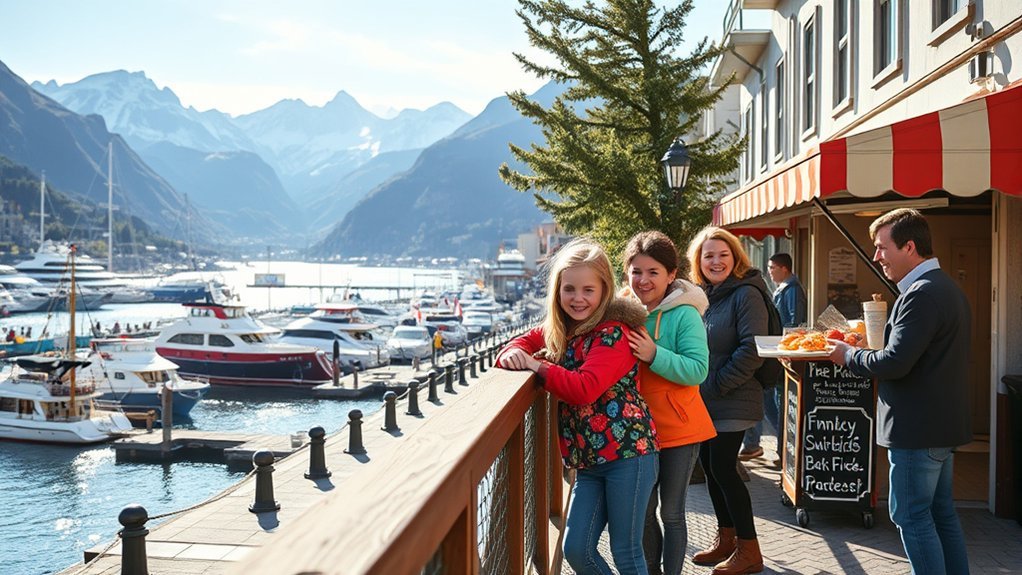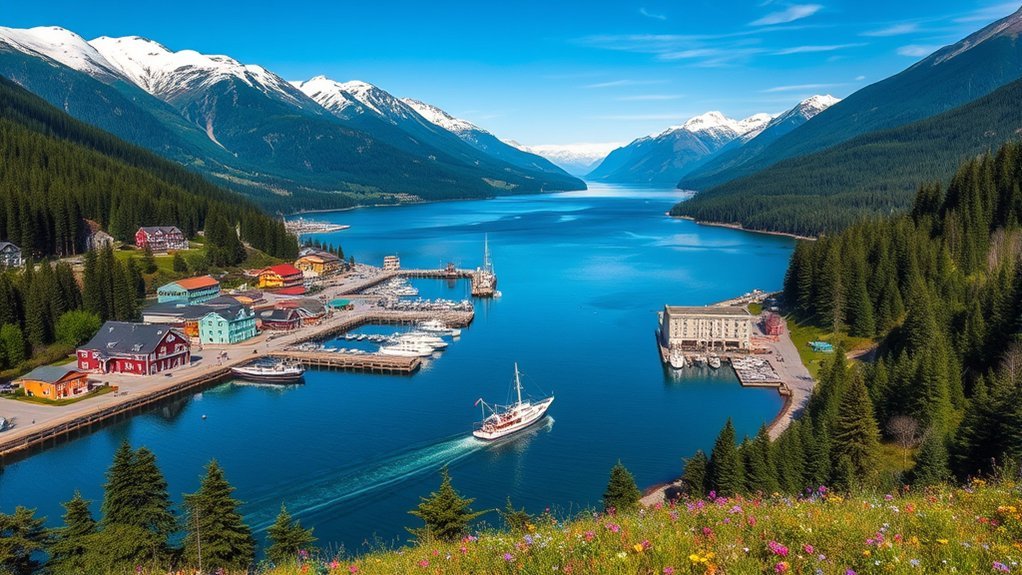
Anchorage combines a real city with easy access to mountains, wildlife, Alaska Native culture, coastal trails, salmon streams, and glacier country. You can spend the morning at a museum, bike beside Cook Inlet in the afternoon, and still have time for fresh seafood downtown. The best trip mixes a few city attractions with one or two longer adventures south toward Girdwood, Portage, or Whittier.
Quick Answer
The best things to do in Anchorage include biking the Tony Knowles Coastal Trail, learning at the Alaska Native Heritage Center and Anchorage Museum, hiking near Flattop Mountain, watching wildlife, visiting Ship Creek, driving Turnagain Arm, riding the Alyeska Aerial Tram, and taking a glacier cruise from Whittier.
Key Takeaways
- You do not have to leave Anchorage to find excellent trails, wildlife, museums, salmon fishing, food, and Alaska Native cultural experiences.
- Flattop Mountain’s summit route is a difficult hike with steep scrambling, so choose the easier Glen Alps overlook or Blueberry Loop if you want views without the summit climb.
- Alyeska Resort, the Alaska Wildlife Conservation Center, and Whittier are south of central Anchorage and work best as half-day or full-day outings.
- Fishing regulations, attraction hours, tram operations, cruises, and seasonal markets can change, so verify current details before your visit.
- Never walk onto Cook Inlet or Ship Creek mudflats. Fast tides and deep mud can trap people.
Explore the Tony Knowles Coastal Trail
The Tony Knowles Coastal Trail is one of the easiest ways to experience Anchorage’s unusual mix of city and wilderness. The paved trail runs about 11 miles from downtown Anchorage to Kincaid Park along the edge of Cook Inlet.
You can walk a short downtown section or rent a bike and make a longer ride. The route passes coastal marshes, wooded areas, Earthquake Park, overlooks, and open stretches with views across the inlet.
Moose and bald eagles are among the animals regularly associated with the trail. Wildlife sightings are never guaranteed, so slow down around blind corners and give animals plenty of room.
The Coastal Trail gives you an 11-mile paved connection between downtown Anchorage and Kincaid Park without requiring a wilderness hike.
Pro Tip: If you do not have time for the full trail, ride or walk from downtown toward Westchester Lagoon and Earthquake Park, then turn around when your schedule requires.
Visit the Alaska Native Heritage Center
The Alaska Native Heritage Center is one of Anchorage’s most important cultural attractions. Rather than treating Alaska Native cultures only as history, the center presents living cultures through Alaska Native voices, art, dance, storytelling, demonstrations, exhibitions, and educational programs.
Outdoor village sites help visitors learn how different Alaska Native peoples developed homes, tools, transportation, clothing, and traditions suited to distinct regions of Alaska. During the summer season, guided village-site tours are typically led by Alaska Native culture bearers.
Plan enough time to see both indoor exhibits and the outdoor areas. Program schedules vary by season, so check the center’s current calendar before going.
The Ch’k’iqadi Gallery also provides an opportunity to purchase work sourced directly from Alaska Native artists. Buying from artists or reputable organizations is a better approach than assuming every souvenir labeled “Alaska Native style” is authentic Native-made art.
Discover the Anchorage Museum
The Anchorage Museum is a strong first-day stop because it provides context for almost everything else you will see around Southcentral Alaska. Its exhibitions explore art, Alaska Native cultures, history, the North, landscape, science, and contemporary life.
The museum is downtown, making it easy to pair with Fourth Avenue, Ship Creek, restaurants, and local shops.
Exhibits and Collections Overview
Expect a mix of permanent and rotating material rather than one fixed experience. Galleries may include historical objects, Alaska Native art, contemporary art, photography, multimedia work, and exhibitions examining how people live in northern environments.
Because temporary exhibitions change, check the museum’s current exhibition list instead of planning your visit around a specific installation you saw mentioned in an older guide.
Interactive Learning Opportunities
The museum’s Discovery Center uses hands-on exhibits to explore the physical and natural sciences of Alaska. Current areas focus on topics such as land, water, natural forces, design, and the state’s northern environment.
- Hands-on science: Experiment with exhibits designed to explain Alaska’s land, water, weather, and physical environment.
- Family learning: The Discovery Center gives children a more active alternative to traditional gallery viewing.
- Rotating programs: Workshops, demonstrations, films, talks, and multimedia experiences vary throughout the year.
If you are traveling with young children, also check whether the museum’s TOTE Kidspace and current family programs fit their ages.
Experience Flattop Mountain and Glen Alps
Flattop Mountain is one of Anchorage’s best-known hikes, but the summit should not be described as an easy sightseeing walk. The classic route begins at the Glen Alps Trailhead in Chugach State Park.
According to Alaska State Parks, the summit route is approximately 1.5 miles one way with about 1,300 feet of elevation gain and is rated difficult. The upper portion is steep and involves scrambling.
Scenic Views Await Hikers
You do not need to reach the summit to enjoy the area. Glen Alps has broad views over Anchorage, Cook Inlet, and the surrounding mountains almost immediately from the trailhead.
- Use the short paved overlook for the easiest views.
- Choose Blueberry Loop for a more moderate outing.
- Attempt the Flattop summit only if your footwear, fitness, weather, and comfort with scrambling are appropriate.
Trail Difficulty and Safety
The summit route becomes rocky and steep near the top. Falls and rockfall are real hazards, and hikers above you can dislodge loose stones.
Warning: Do not treat Flattop’s summit route as a beginner walk. Wear sturdy footwear, carry water and layers, turn around if weather deteriorates, and keep children away from exposed scrambling sections unless they have suitable experience and close supervision.
Mountain weather can change quickly even when conditions look pleasant in Anchorage. Snow, ice, wind, and wet rock can make the route substantially harder.
Take a Scenic Drive Along Turnagain Arm
The Seward Highway follows Turnagain Arm south of Anchorage and is one of the region’s most rewarding drives. Alaska DOT&PF describes the first portion of the highway as a route between the Chugach Mountains and Turnagain Arm, with opportunities to see waterfalls, eagles, Dall sheep, and occasionally beluga whales.
Useful stops include Beluga Point, Bird Point, Girdwood, and Portage Valley. Do not rush from one attraction to another. The pullouts are a major part of the experience.
- Watch the mountainsides as well as the water.
- Use designated pullouts rather than stopping on the highway shoulder.
- Check the bore-tide forecast if seeing the unusual tidal wave is important to you.
- Bring layers because conditions beside Turnagain Arm can feel much colder and windier than central Anchorage.
Warning: Never walk onto the exposed mudflats of Cook Inlet or Turnagain Arm. The mud can trap people, and incoming tides can move rapidly.
Go Wildlife Viewing at the Alaska Wildlife Conservation Center
The Alaska Wildlife Conservation Center is a nonprofit wildlife sanctuary near Portage, roughly 47 road miles south of Anchorage. It is a convenient stop on a Turnagain Arm, Portage, Girdwood, or Whittier day trip.
The center cares for Alaska wildlife and supports conservation, education, research, and animal care. Depending on the current residents, visitors may see animals such as bears, moose, muskoxen, bison, wolves, elk, reindeer, porcupines, and birds.
A scenic loop of about 1.5 miles can be explored on foot, by bicycle, or by vehicle. Give yourself more time than you would for a traditional zoo because the enclosures are spread across a large property.
This is also a good option if you want dependable opportunities to observe Alaska wildlife without depending entirely on chance encounters along a highway or trail.
Enjoy a Day at Kincaid Park
Kincaid Park occupies a large stretch of western Anchorage beside Cook Inlet. The park has an extensive network of walking, running, skiing, and cycling routes, with roughly 60 kilometers of interconnected trails according to Anchorage Parks and Recreation.
Scenic Trails Exploration
The landscape includes forest, rolling terrain, coastal viewpoints, open spaces, and connections with the Tony Knowles Coastal Trail. Mountain bikers can also use a substantial single-track network.
- Walk forest trails near the chalet.
- Connect with the Coastal Trail for a longer ride.
- Visit coastal viewpoints for Cook Inlet scenery.
- Use winter trails for cross-country skiing when conditions allow.
Wildlife Viewing Opportunities
Moose are regularly seen in and around Kincaid Park, and birds are common. Bears also occur in the Anchorage area, so stay alert and follow current wildlife guidance.
Do not approach a moose for a photograph. Moose can move surprisingly fast and may become aggressive if they feel crowded, particularly cows with calves.
Picnic Areas Available
Kincaid is also useful when your group wants a low-key outdoor day rather than a long hike. Pack food, use established picnic facilities, and combine lunch with a short walk or playground visit.
Views from this side of the park look toward Cook Inlet, not directly over Turnagain Arm.
Stroll Through a Downtown Anchorage Market
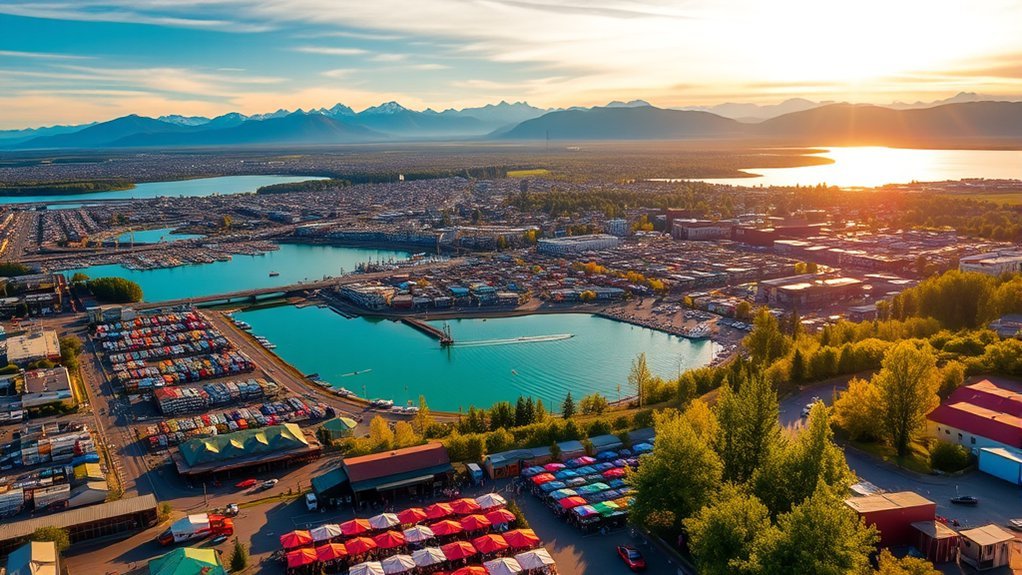
Summer markets are an easy place to browse local crafts, food, produce, gifts, and work from Alaska makers. Market names, sites, and schedules can change between seasons, so verify the current event listing before planning an entire day around one market.
For the 2026 summer season, Visit Anchorage lists the Anchorage Weekend Downtown Market at 225 E Street on Saturdays and Sundays from May through September.
Typical market finds include handmade crafts, Alaska-themed gifts, artwork, food trucks, reindeer sausage, salmon dishes, and international foods.
Markets are especially useful if your trip includes people with different interests because visitors can shop, eat, and listen to entertainment without committing to a long structured attraction.
Visit Historic Ship Creek
Ship Creek is more than a fishing spot. It is closely connected with Anchorage’s beginnings as a modern city. In 1915, the federal Alaska Engineering Commission selected the mouth of Ship Creek as the main southern construction camp for building the Alaska Railroad.
Today the area combines railroad and industrial history, salmon fishing, walking trails, viewpoints, and downtown development.
- Walk part of the paved Ship Creek Trail.
- Watch anglers during salmon runs.
- Look for salmon from designated viewing areas.
- Visit nearby downtown shops and attractions.
The Ship Creek Trail itself provides an easy route along the northern edge of downtown and connects natural history with the city’s railroad heritage.
Warning: Stay off Ship Creek’s mudflats. Alaska Department of Fish and Game warns that fast tides and sticky mud can trap visitors.
Ride the Alyeska Aerial Tram in Girdwood
Alyeska Resort is in Girdwood, south of central Anchorage. Its aerial tram climbs from the resort toward the upper mountain and provides broad views across the Girdwood valley and surrounding Chugach Mountains.
The tram ride is short, but allow extra time for viewpoints, food, hiking, weather changes, and the drive along Turnagain Arm.
Summer and winter operations are seasonal, and maintenance closures occur, so check the resort’s current tram status before leaving Anchorage.
If you enjoy hiking, Alyeska also has mountain routes, but trail availability can change because of snow, maintenance, construction, and seasonal operations.
Pro Tip: Combine Alyeska with the Turnagain Arm drive rather than treating Girdwood as a separate round trip. It makes a much more efficient half-day or full-day itinerary.
Take a Glacier Cruise From Whittier
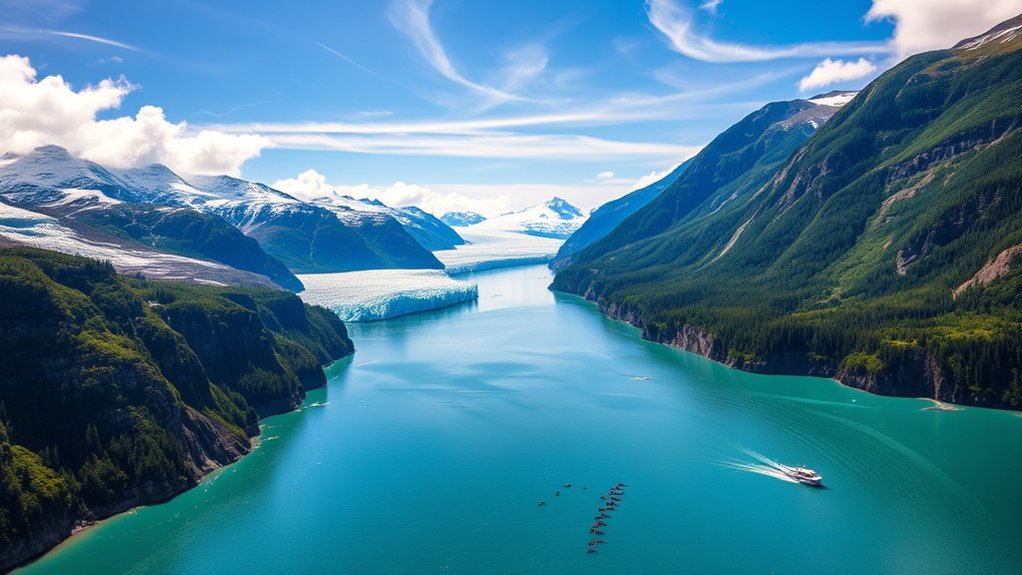
Whittier is one of the main gateways to Prince William Sound and works well as a full-day excursion from Anchorage. Day cruises travel through glacier-carved fjords where passengers may see tidewater glaciers, waterfalls, marine birds, sea otters, seals, sea lions, and occasionally whales.
For example, the 26 Glacier Cruise operates as a multi-hour catamaran trip through Prince William Sound. Other operators and itineraries may cover different bays or shorter routes.
- Glaciers: The main attraction is seeing multiple glaciers from the water.
- Wildlife: Marine wildlife sightings are possible but never guaranteed.
- Photography: Outdoor decks provide changing views throughout the cruise.
- Weather: Bring a warm, wind-resistant layer even on a pleasant Anchorage day.
A standard Whittier sightseeing cruise does not normally include walking on a glacier. Glacier hiking is a separate guided activity that requires different transportation, equipment, and safety planning.
Note: Road access to Whittier uses the Anton Anderson Memorial Tunnel, which operates on a timed traffic schedule. Build tunnel timing, parking, and cruise check-in into your plan.
Discover Anchorage’s Local Food
Anchorage’s food scene mixes Alaska seafood, local ingredients, international influences, breweries, bakeries, food trucks, and casual neighborhood restaurants.
Wild Alaska salmon and halibut are natural choices if you enjoy seafood. Reindeer sausage is another recognizable Anchorage street-food experience and is often served from carts or in breakfast dishes.
Moose’s Tooth Pub & Pizzeria remains one of the city’s best-known casual dining stops for handcrafted pizza. Downtown also has seafood, steakhouses, cafés, brewpubs, food stands, and restaurants within walking distance of major attractions.
Rather than building your entire meal plan around one famous restaurant, choose places near the part of town you are already exploring. Anchorage is spread out, and crossing the city at peak dining time can add unnecessary driving.
Go Fishing in Anchorage’s Rivers and Lakes
Anchorage is unusual because you can fish for salmon within sight of downtown buildings. Ship Creek is the best-known example, while area lakes and streams provide additional opportunities for trout and other species.
Fishing rules are not static. Alaska Department of Fish and Game can change bag limits, closures, gear restrictions, and other requirements through emergency orders during the season.
Best Fishing Options
- Ship Creek: The most convenient salmon fishery for downtown visitors, with king and coho runs at different points in the summer.
- Anchorage-area lakes: A useful option for visitors who prefer quieter freshwater fishing and do not need to target salmon.
- Eagle River area: Offers fishing opportunities north of central Anchorage, but regulations differ by drainage and species.
- Kenai River: A famous Alaska fishing destination, but it is a separate Kenai Peninsula day trip rather than an in-city Anchorage fishing spot.
Fishing Rules and Seasonal Tips
Salmon timing varies by species, stream, weather, and year. Ship Creek typically receives king salmon earlier in summer and coho later, but annual runs and management actions can change.
Before fishing, check the current Anchorage ADF&G fishing report, the Southcentral Alaska regulation booklet, and active emergency orders.
Most adult residents and nonresidents need an Alaska sport fishing license, and anglers targeting king salmon may also need the appropriate king salmon stamp unless an exemption applies.
Warning: Never rely on an old blog post for current Alaska fishing limits. Regulations can change during the same season, sometimes with little notice.
Attend the Iditarod Ceremonial Start
The Iditarod is one of Alaska’s best-known winter events, and downtown Anchorage hosts the ceremonial start rather than the main timed restart.
According to the official Iditarod calendar, the next Anchorage ceremonial start is scheduled for March 6, 2027 at 10 a.m. The official restart is scheduled for the following day in Willow.
At the ceremonial start, spectators can see mushers, sled dogs, handlers, volunteers, and teams along the downtown route. Arrive early because streets close and viewing areas fill.
- Expect crowds: Downtown becomes busy well before the first team leaves.
- Dress for standing outdoors: Watching is much colder than actively hiking or skiing.
- Respect the dogs and teams: Do not enter working areas or touch dogs without permission.
Explore Fourth Avenue and Downtown Anchorage’s Arts Scene
Fourth Avenue remains an important downtown corridor, but visitors should not depend on older descriptions of the 4th Avenue Marketplace as a finished, traditional indoor arts marketplace.
The property has been part of a major redevelopment effort, with plans for a future open-market concept, retail, grocery, and residential space. Construction and tenant availability can therefore affect what is open during your visit.
Instead, treat Fourth Avenue as one part of a broader downtown arts walk. Look for galleries, public art, Alaska-made goods, museum shops, seasonal markets, and local businesses throughout the downtown core.
For authentic Alaska Native art, reputable options include the Alaska Native Heritage Center’s gallery and museum gift shops that work directly with artists.
Watch Birds and Wildlife at Potter Marsh
Potter Marsh is an easy addition to a southbound itinerary because it sits near the Seward Highway on the edge of Anchorage. A boardwalk crosses wetland habitat and gives visitors a chance to look for waterfowl, shorebirds, eagles, and other wildlife without a strenuous hike.
Wildlife changes with the season, so bring binoculars rather than expecting one particular animal. Early morning can be quieter and more productive for birding.
Potter Marsh works especially well for families, photographers, and travelers who want a nature stop without committing to several hours on a trail.
Learn About the 1964 Earthquake at Earthquake Park
Earthquake Park preserves part of the landscape altered by the magnitude 9.2 Great Alaska Earthquake of March 27, 1964. The disaster dramatically changed parts of Anchorage through shaking, landslides, and ground failure.
Interpretive signs help explain what happened, and nearby trails connect with the Tony Knowles Coastal Trail.
This is not a large museum-style attraction. Its value comes from seeing the landscape while learning how the earthquake physically reshaped Anchorage.
Visit the Alaska Aviation Museum and Lake Hood
Aviation is central to life in Alaska because many communities cannot be reached by road. The Alaska Aviation Museum near Lake Hood provides useful context through aircraft, artifacts, restoration work, and stories from Alaska’s aviation history.
Lake Hood itself is part of the experience. The area is known for intense floatplane activity during the flying season, giving visitors a close look at how small aircraft remain an everyday form of transportation in Alaska.
Families and travelers interested in engineering, bush planes, military history, or transportation can easily spend several hours here.
Visit the Alaska Zoo With Kids
The Alaska Zoo is another family-friendly Anchorage option, especially when children need a slower day between hikes or long drives.
The zoo cares for northern and cold-climate animals and participates in wildlife education and conservation work. Because exhibits and animal residents can change, check the current zoo map and program schedule before visiting.
Allow extra time if you are pushing a stroller or visiting with young children because the grounds are wooded and spread out rather than arranged like an indoor attraction.
Plan Your Anchorage Activities by Season
Anchorage changes dramatically through the year, so the “best” activity depends on when you visit.
| Season | Best For | What to Know |
|---|---|---|
| Summer | Hiking, biking, glacier cruises, markets, wildlife, fishing | Long daylight gives you unusually flexible sightseeing hours. |
| Fall | Fewer crowds, fall color, early aurora opportunities | Some summer tours and attractions reduce schedules. |
| Winter | Northern lights, skiing, winter festivals, Iditarod season | Cold, snow, and short daylight require more planning. |
| Spring | Increasing daylight, shoulder-season travel | Trail conditions can be muddy, icy, or snow-covered. |
Summer daytime temperatures commonly reach the 60s and sometimes the low 70s, but evenings, coastal areas, mountain locations, and glacier cruises can feel much cooler. Pack layers rather than relying on one heavy jacket.
Getting Around Anchorage Without a Car
A rental car gives you the greatest flexibility, especially for Glen Alps, Turnagain Arm, Girdwood, Portage, and Whittier. However, you can still build an Anchorage trip without one.
- Downtown walking: Anchorage Museum, Fourth Avenue, restaurants, shops, and Ship Creek can be combined on foot if you are comfortable walking.
- People Mover: Anchorage’s municipal bus system serves many parts of the city.
- Bicycle: Anchorage’s paved trail system makes biking useful during suitable weather.
- Shuttles and tours: Seasonal services can reach places such as Glen Alps, Girdwood, Whittier, and cruise departure points.
- Rail: The Alaska Railroad can be useful for certain regional excursions, depending on the season and schedule.
Anchorage Parks and Recreation maintains approximately 250 miles of trails and greenbelts, including a large paved network, but distances between neighborhoods can still be substantial.
Frequently Asked Questions
What is the best time of year to visit Anchorage?
June through August is the easiest period for first-time visitors who want hiking, biking, long daylight, glacier cruises, fishing, and summer attractions. September through early spring is better for northern lights and winter experiences. Your ideal month depends on whether you prioritize summer access or winter activities.
Are there family-friendly activities in Anchorage?
Yes. Good family choices include the Anchorage Museum and Discovery Center, Alaska Zoo, Alaska Native Heritage Center, Potter Marsh, short sections of the Tony Knowles Coastal Trail, Kincaid Park, and wildlife viewing at the Alaska Wildlife Conservation Center south of the city.
How can I get around Anchorage without a car?
You can walk around downtown, use People Mover buses, rent a bicycle, and book shuttles or tours for selected attractions. A car is still the most flexible option for Glen Alps, Turnagain Arm, Girdwood, Portage, and Whittier.
What is the average summer temperature in Anchorage?
Summer days commonly reach the 60s Fahrenheit, with some days reaching the low 70s or warmer. Nights are cooler. Conditions can feel substantially colder beside glaciers, on boats, or in windy mountain areas, so bring layers and rain protection.
Are there local events and festivals in Anchorage throughout the year?
Yes. Major annual events include Fur Rendezvous, the Iditarod ceremonial start, summer solstice celebrations, running events, markets, arts programs, and seasonal cultural festivals. Dates can change each year, so confirm the official event calendar before booking around a specific festival.
Can you see the northern lights from Anchorage?
Yes, when skies are dark and clear. The best season is generally from September through April. Summer skies remain too bright for useful aurora viewing even though auroral activity still occurs.
How many days do you need in Anchorage?
Two full days are enough for major city sights and a local trail, while three to four days allow time for a Turnagain Arm, Girdwood, wildlife, or Whittier excursion without rushing. Add more time if Anchorage is your base for multiple regional day trips.
What should I book in advance?
Reserve popular glacier cruises, guided wildlife trips, fishing charters, rental cars, and peak-summer accommodations early. Museum visits and urban parks generally require less advance planning, but always check seasonal hours before traveling.
Conclusion
Anchorage works best when you take advantage of both sides of the destination. Spend time downtown learning about Alaska Native cultures and the state’s history, then head outside for coastal trails, wildlife, mountain views, fishing, or a glacier day trip. You do not need to fit every attraction into one visit. Choose a few city experiences, one good outdoor activity, and one regional excursion, then leave enough time to enjoy the scenery between them.
Sources
- Alaska State Parks, Chugach State Park Recreational Opportunities – Flattop Mountain distance, elevation gain, difficulty, scrambling, and safety.
- Alaska Department of Fish and Game, Anchorage Fishing Report – current fishing conditions, regulations, and emergency-order guidance.
- Alaska Native Heritage Center – visitor programs, cultural exhibits, tours, and Alaska Native cultural experiences.
- Anchorage Museum – current museum exhibits, Discovery Center, visitor information, and family experiences.
- Visit Anchorage, Tony Knowles Coastal Trail – trail route, length, activities, and commonly observed wildlife.
- Iditarod Trail Committee – current ceremonial-start and race-event schedule.