Glacier Bay National Park and Preserve is one of Alaska’s most dramatic coastal wilderness areas, combining tidewater glaciers, temperate rainforest, marine wildlife, mountain scenery, and the living cultural heritage of the Huna Łingít. A visit can be as simple as a cruise through the bay or as adventurous as several days of kayaking and backcountry camping. The key is understanding how remote the park is, what services are seasonal, and how weather, tides, wildlife rules, and permits can affect your plans.
Quick Answer
Glacier Bay National Park is best visited in summer for the widest choice of boat trips, ranger programs, lodging, hiking, kayaking, and wildlife viewing. You can reach the Gustavus and Bartlett Cove area only by air or sea, and the park charges no entrance fee. Plan ahead for transportation, weather, permits, and seasonal services.
Key Takeaways
- Glacier Bay has no entrance fee, although tours, transportation, lodging, and other commercial services cost extra.
- There is no road connection from Juneau to Gustavus. Most independent visitors arrive by plane or ferry, while many others experience the park from a cruise ship.
- Summer offers the most visitor services and the best overall combination of glacier viewing, hiking, boating, and wildlife activity.
- Bartlett Cove is the park’s main developed visitor area; most of Glacier Bay beyond it is remote wilderness.
- Kayakers and backcountry campers must take tides, bears, cold water, changing weather, permits, and temporary wildlife closures seriously.
Overview of Glacier Bay National Park
Glacier Bay National Park and Preserve protects an enormous landscape of mountains, glaciers, coastal rainforest, islands, fjords, and marine waters in Southeast Alaska. The park is part of a rapidly changing environment where glaciers have retreated dramatically over the last few centuries and plants and wildlife have recolonized newly exposed land.
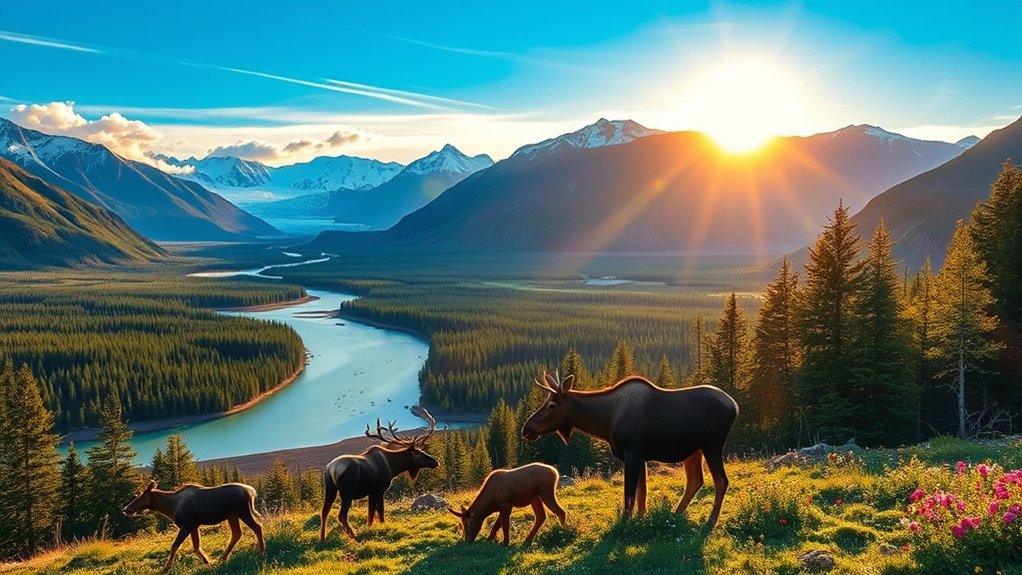
The bay is best known for tidewater glaciers such as Margerie Glacier and Johns Hopkins Glacier. Visitors may also see humpback whales, sea otters, harbor seals, Steller sea lions, bald eagles, seabirds, mountain goats, moose, black bears, and brown bears, although wildlife sightings are never guaranteed.
Glacier Bay is also the ancestral Homeland of the Huna Łingít. Their relationship with this landscape did not end when glaciers advanced over earlier settlements. Huna Łingít people returned as the ice retreated and maintain cultural, spiritual, and subsistence connections with the area today.
Glacier Bay is not simply a place to see ice. It is a living landscape shaped by glaciers, ocean tides, wildlife, and generations of Huna Łingít history.
Getting There: Transportation Options
Glacier Bay is remote, and understanding its transportation system is essential. The park lies west of Juneau and is not connected to Juneau or the continental highway network by road.
Flying to Gustavus
Independent visitors commonly travel first to Juneau and then fly to Gustavus, the small gateway community near the park. Seasonal jet service and smaller scheduled or charter aircraft connect Juneau and Gustavus. The flight is short, but Southeast Alaska weather can affect schedules, so avoid extremely tight connections.
Taking the Ferry
Seasonal Alaska Marine Highway ferry service can connect Juneau with Gustavus. Ferry schedules vary, so confirm the sailing calendar before building the rest of your trip around a particular departure.
Arriving by Cruise Ship or Boat
Many people experience Glacier Bay entirely from a cruise ship. Ships permitted to enter the bay can spend much of the day traveling through the park while passengers watch for glaciers and wildlife from the vessel.
Private boats and charter vessels also enter Glacier Bay, but vessel permits, seasonal quotas, wildlife-protection rules, radio procedures, and temporary operating restrictions may apply.
Gustavus to Bartlett Cove
Once you arrive in Gustavus, the developed area at Bartlett Cove is roughly 10 miles away by local road. Depending on where you stay, transportation may include lodge shuttles, taxis, arranged transfers, bicycles, or other local services.
Note: A vehicle can be useful around Gustavus and Bartlett Cove, but there is no road system that takes you deep into Glacier Bay. The park’s famous glaciers are primarily reached or viewed by boat, cruise ship, kayak, or aircraft.
Best Times to Visit
The park is open year-round, but your experience changes dramatically by season. For most first-time visitors, the main summer visitor season offers the easiest logistics and broadest range of activities.
Summer Peak Season
June through August is the most practical period for a classic Glacier Bay trip. Days are long, visitor services are operating, boat excursions are available, trails are accessible, and summer is the primary season for humpback-whale activity in the region.
Summer highlights can include:
- Viewing tidewater glaciers from a cruise or tour boat
- Watching for humpback whales and other marine mammals
- Seeing seabirds and Steller sea lions near islands such as South Marble Island
- Hiking the Bartlett Cove trail system
- Joining ranger programs
- Kayaking or planning a permitted backcountry trip
Do not interpret “summer” as guaranteed warm or dry weather. Southeast Alaska is cool and wet, and rain, fog, wind, and rapidly changing conditions are normal.
Fall Colors and Quieter Travel
September can be rewarding if you value fewer visitors and a quieter atmosphere. You may see seasonal color in shrubs and deciduous vegetation, but Glacier Bay should not be treated like a classic New England-style fall-foliage destination.
The trade-off is reduced visitor infrastructure. Seasonal businesses, visitor facilities, transportation, ranger programs, and tours begin tapering off as the main season ends. Days also become shorter, and wet or stormy weather can affect travel. For related tips and details, explore our Best Hikes in Glacier Bay National Park: Bartlett Cove.
For a first visit focused on glaciers and organized activities, early or midsummer is generally easier than late September or October.
Winter Wildlife Viewing
Winter offers solitude, snowy scenery, coastal birdlife, animal tracks, and a very different view of Southeast Alaska. However, it is not the easiest season for a conventional Glacier Bay vacation.
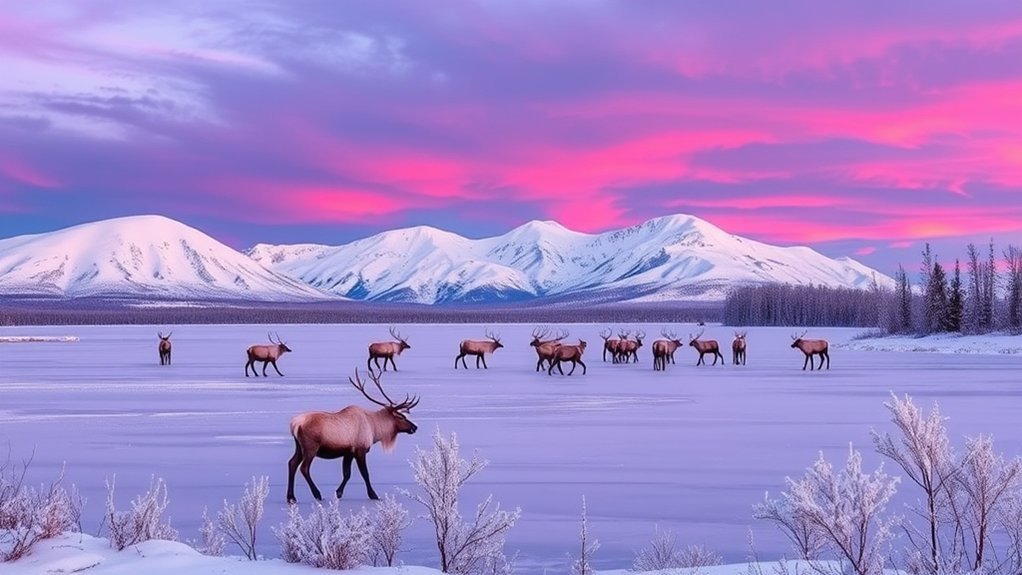
Most tourism services are limited or closed. Many migratory animals are less abundant than in summer, and most humpback whales leave northern feeding areas for lower-latitude winter breeding grounds. Some whales may remain in Southeast Alaska, but visitors should not plan a winter trip around dependable whale sightings.
If you visit in the off-season, plan for limited services, cold and wet conditions, short daylight hours, and transportation disruptions.
Planning Your Visit: Services, Permits, and Reservations
Glacier Bay rewards advance planning because transportation and visitor services are limited compared with road-accessible national parks.
Reservations
Reserve important trip components early when traveling during summer, especially if you need:
- Lodging in Gustavus or at Glacier Bay Lodge
- Flights or ferry transportation
- A Glacier Bay boat tour
- Kayak rentals
- Kayak drop-off transportation
- Guided wilderness trips
Entrance Fees
There is no entrance fee to enter Glacier Bay National Park and Preserve. You may still pay for transportation, lodging, commercial tours, food, equipment rentals, fishing licenses, or other services.
Camping Permits
Glacier Bay has a free walk-in campground at Bartlett Cove as well as extensive wilderness camping opportunities. During the main season, campers must follow park permit and orientation requirements.
The Bartlett Cove campground is first come, first served and does not provide RV hookups or drive-in campsites. Campers must follow strict food-storage and cooking rules because bears live throughout the region.
Backcountry campers and overnight kayakers should complete the required orientation, obtain the appropriate free permit, carry approved food storage, and learn current wildlife closures before departing.
Top Attractions and Landmarks
The park’s major sights are spread across a vast marine landscape. Unlike many national parks, you cannot drive from one attraction to another.
Margerie Glacier
Margerie Glacier is one of Glacier Bay’s best-known tidewater glaciers. It lies far up the West Arm and is usually experienced from a cruise ship or tour vessel rather than from land.
If conditions permit, visitors may see exposed blue ice, crevasses, surrounding mountains, floating ice, and occasional calving. Keep in mind that glacier activity is unpredictable.
Johns Hopkins Glacier
Johns Hopkins Glacier sits in a spectacular mountain setting and is another major up-bay attraction. Access to Johns Hopkins Inlet is seasonally regulated to protect harbor seals during sensitive pupping and molting periods, so boats cannot always approach as closely as visitors might expect.
South Marble Island
Tour vessels commonly pass South Marble Island, where visitors can look for Steller sea lions and nesting seabirds such as puffins, murres, cormorants, and kittiwakes.
Bartlett Cove
Bartlett Cove is the best area for land-based exploration. It contains the park’s main visitor facilities, hiking trails, public dock, campground, Glacier Bay Lodge, and cultural sites. For related tips and details, explore our How to Visit Glacier Bay National Park: Getting There, When.
Xunaa Shuká Hít
Xunaa Shuká Hít, the Huna Ancestors’ House, stands in Bartlett Cove and provides an important place for Huna Łingít cultural activities and visitor learning. Its carved and painted cultural elements communicate clan histories, values, relationships, and continuing ties to Glacier Bay.
The most famous glaciers are far from Bartlett Cove, so a boat-based experience is essential if seeing major tidewater glaciers is one of your main goals.
Activities and Adventures
Glacier Bay supports everything from easy walks near the lodge to self-supported wilderness expeditions. Match the activity to your experience, preparation, and available time.
Boat Tours and Cruising
A boat trip is one of the most efficient ways to experience the scale of Glacier Bay. A full-day tour can combine glacier viewing with opportunities to see whales, sea lions, seabirds, mountain goats, bears, and other wildlife.
Cruise passengers may experience many of the same landscapes without staying in Gustavus, although they have less opportunity to hike, camp, or explore Bartlett Cove independently.
Kayaking
Sea kayaking gives you an intimate view of Glacier Bay, but this is serious cold-water wilderness. Trips can begin at Bartlett Cove, and experienced paddlers may use authorized transport to start farther up the bay.
Warning: Glacier Bay has large tidal changes, strong currents, cold water, rapidly changing weather, bears, and areas with seasonal wildlife closures. Do not treat an overnight kayak trip like a casual lake paddle. Study tides, carry suitable safety equipment, complete required permits and orientations, and plan conservatively.
Tidal changes can approach roughly 20 to 25 feet. Strong flow through narrow areas can create difficult conditions, so kayakers should understand tide tables and current direction before making crossings.
Camping
You can camp at the primitive Bartlett Cove campground or travel into the backcountry. The developed campground includes basic facilities such as food-storage caches and composting toilets, but it remains a walk-in campground rather than a conventional vehicle campground.
Fishing
Sport fishing is available in fresh and salt water. Alaska fishing regulations apply, and anglers need the appropriate state fishing license unless an exemption applies.
Wildlife Viewing Opportunities
Glacier Bay supports a rich marine and coastal ecosystem, but the best sightings depend on season, location, weather, food availability, and simple luck.
Best Viewing Locations
- Bartlett Cove: Look for sea otters, birds, eagles, seals, and occasionally humpback whales from the shoreline or dock area.
- South Marble Island: A major boat-tour wildlife stop for Steller sea lions and nesting seabirds.
- Lower Glacier Bay and Icy Strait approaches: Productive summer areas for humpback whales and other marine mammals.
- Up-bay shorelines: Boat passengers may spot bears, moose, wolves, or mountain goats along beaches and mountainsides.
- Johns Hopkins Inlet: An important harbor-seal area that is protected by seasonal vessel restrictions.
Exact whale concentrations change during the season. Park managers may create temporary whale-protection operating areas when animals gather to feed, so boaters should check current rules rather than relying on an old map or itinerary.
Seasonal Wildlife Highlights
Spring: Migratory birds return, and marine wildlife activity increases as daylight lengthens.
Summer: Humpback whales are a major attraction. Harbor seals, sea lions, sea otters, porpoises, seabirds, bears, mountain goats, and other species may also be seen.
Autumn: Wildlife remains present, but changing weather, shortening days, and declining visitor services become increasingly important travel factors.
Winter: Coastal birds, bald eagles, tracks of terrestrial mammals, and occasional marine mammals can still be observed, but many summer migrants have left the region.
Responsible Viewing Practices
Responsible wildlife viewing protects both you and the animals.
- Give wildlife plenty of space and use binoculars or a telephoto lens.
- Never feed wild animals.
- Do not approach seals resting on ice or sea lions hauled out on rocks.
- Follow all seasonal closures and vessel-speed restrictions.
- Keep food and scented items secured in bear country.
- If an animal changes its behavior because of your presence, increase your distance.
Tips for Hiking in the Park
Bartlett Cove is the main developed hiking area. Its trails range from short rainforest walks to longer outings that can take most of the day. For related tips and details, explore our How to Visit Wrangell-St. Elias National Park: Getting There,.
| Trail or Route | Approximate Distance | What to Expect |
|---|---|---|
| Forest Trail | About 1-mile loop | Temperate rainforest, beach environment, boardwalk and dirt surfaces. |
| Tlingit Trail | About 1/2 mile one way | Bartlett Cove shoreline, cultural interpretation, and access toward Xunaa Shuká Hít. |
| Bartlett River Trail | About 4 miles round trip | Forest, lagoon, estuary, mud, roots, and possible wildlife. |
| Bartlett Lake Trail | About 8 miles round trip | A longer, less-maintained route requiring more time and route awareness. |
Use these practices on any hike:
- Wear waterproof layers: Rain and wet vegetation are common.
- Choose footwear with good traction: Roots, boardwalks, rocks, and mud can be slippery.
- Carry water and food: Do not assume services are available along trails.
- Know your route: Use current park trail information rather than relying solely on a phone signal.
- Stay bear aware: Make your presence known and know how to react if you encounter a bear.
- Check tides for shoreline travel: Water levels can change dramatically.
- Leave No Trace: Pack out waste and avoid disturbing wildlife or vegetation.
Pro Tip: If you have only a few hours on land, combine the Forest Trail and Tlingit Trail with time at the shoreline and Xunaa Shuká Hít. You will experience rainforest, coastal scenery, wildlife possibilities, and cultural interpretation without committing to a full-day hike.
Weather and What to Pack
Glacier Bay’s coastal climate can be cool, wet, windy, and changeable even in midsummer. Conditions near a glacier can also feel considerably colder than conditions around Gustavus.
A practical day-trip packing list includes:
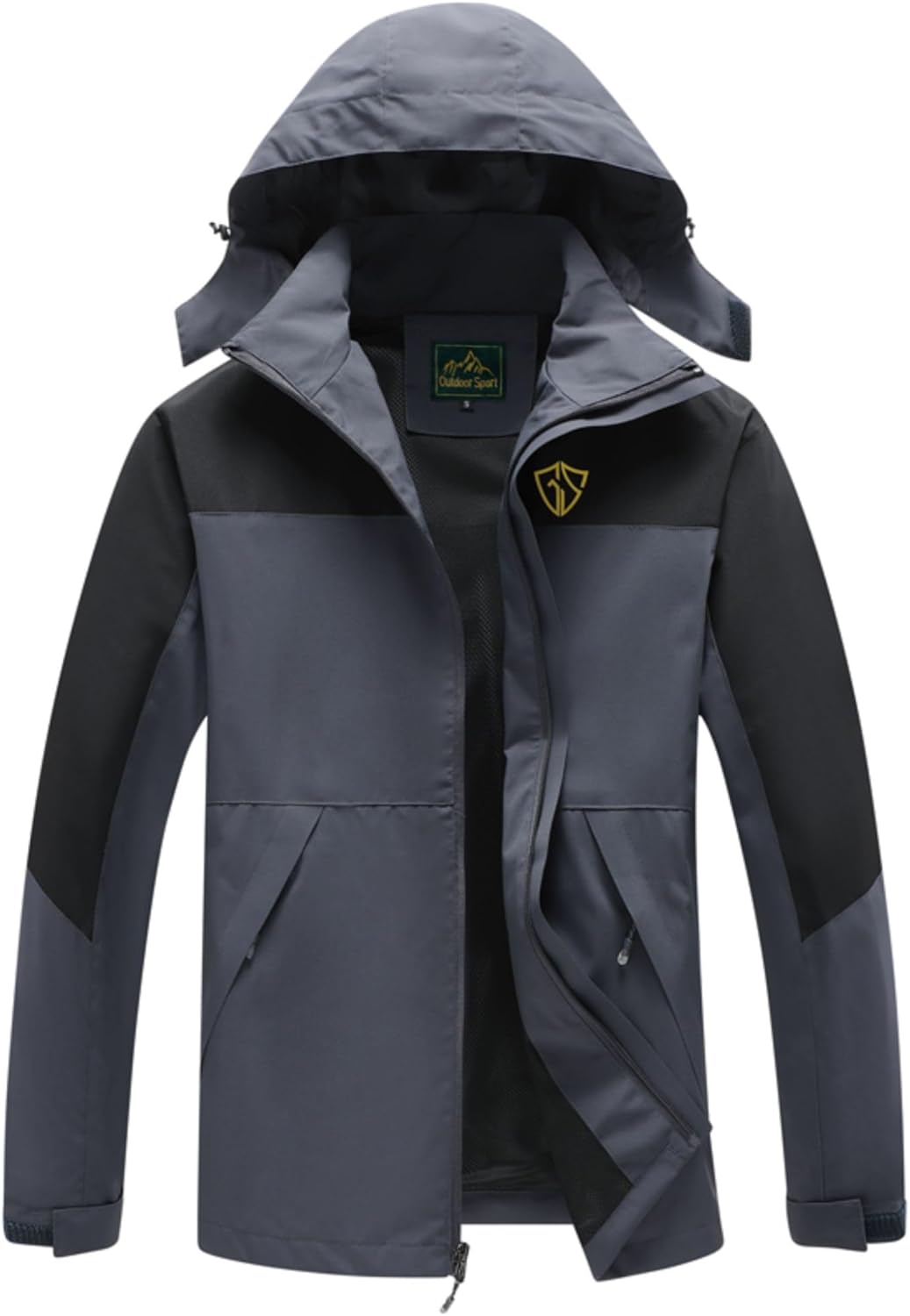
- Waterproof rain jacket
- Warm insulating layer
- Long pants
- Sturdy water-resistant footwear
- Warm hat and light gloves
- Reusable water bottle
- Binoculars
- Camera with weather protection
- Sun protection
- Dry bag for electronics if boating or kayaking
Dress in layers rather than relying on one heavy garment. You may experience sun, rain, cold wind, and calm weather within the same day.
Safety in Glacier Bay
The developed Bartlett Cove area is approachable for ordinary visitors, but Glacier Bay quickly becomes remote wilderness once you leave the main facilities.
Bear Safety
Both black bears and brown bears live in Glacier Bay. Keep food and scented items secured, give bears room, avoid surprising them, and learn current bear-safety recommendations before hiking or camping.
Backcountry visitors should follow the park’s food-storage requirements and use approved bear-resistant containers where required.
Tides and Cold Water
Tides are one of Glacier Bay’s most important hazards. A beach that appears broad and safe at low tide can look completely different several hours later. Kayakers must also account for strong tidal currents in narrow passages.
Cold-water immersion can quickly become life-threatening. Wear activity-appropriate flotation and thermal protection when paddling, and do not rely on warm air temperatures as evidence that the water is safe.
Changing Wildlife Closures
Some marine areas have seasonal or temporary restrictions to protect whales, harbor seals, sea lions, or nesting birds. These rules are especially important for boaters and kayakers and may change during the visitor season.
Cultural History and Native Heritage
Glacier Bay is the ancestral Homeland of the Huna Łingít, whose ancestors lived in and used the lands and waters of the bay long before the creation of the national park.
During the Little Ice Age, advancing ice transformed the landscape and overtook earlier settlements. Huna Łingít clans survived by moving to other areas around Icy Strait and later returned to Glacier Bay as the ice retreated.
That connection continues today through cultural practices, place names, traditional knowledge, harvests, ceremonies, art, and collaboration between tribal organizations and the National Park Service.
At Bartlett Cove, Xunaa Shuká Hít—often translated as Huna Ancestors’ House—provides a gathering place for tribal members and an opportunity for visitors to learn about Huna Łingít history, culture, art, and relationships with the Homeland.
Visitors should approach the site as a living cultural place rather than simply as another park attraction.
Photography Tips for Stunning Shots
Glacier Bay changes constantly, which makes photography rewarding even when the weather is cloudy.
- Protect your equipment from rain: Carry a rain cover or dry bag.
- Use a telephoto lens for wildlife: It allows close-looking photographs without approaching animals.
- Include scale: A boat, mountain, bird, or foreground shoreline can help show how enormous a glacier or fjord really is.
- Use fast shutter speeds from moving boats: Vessel motion can blur photographs even when the subject is still.
- Photograph changing weather: Fog, clouds, rain, and shafts of light are part of Glacier Bay’s character.
- Keep your camera ready: Whale surfacing and glacier calving may happen with little warning.
For wildlife photography, distance is part of good technique. A telephoto lens gives you a stronger image without pressuring an animal to move or change its behavior.
Frequently Asked Questions
Are there any entrance fees for Glacier Bay National Park?
No. Glacier Bay National Park and Preserve does not charge an entrance fee. Commercial tours, lodging, flights, ferries, food, rentals, and other services still have their own costs.
Can I bring my pet to Glacier Bay National Park?
Pet access is very limited. Pets are allowed in only a few specified developed areas around Bartlett Cove and must remain restrained. They are generally prohibited on park trails, most beaches, and in the backcountry. Service animals are subject to separate rules.
Is camping allowed in Glacier Bay National Park?
Yes. A free primitive walk-in campground is available at Bartlett Cove, and wilderness camping is also possible. Permit and orientation requirements apply during the main visitor season, and campers must follow strict bear-safe food-storage rules.
What amenities are available in the park?
Most developed visitor services are concentrated at Bartlett Cove. Depending on the season, these can include visitor information, Glacier Bay Lodge, food service, a public dock, restrooms, campground facilities, ranger programs, and transportation connections. Away from Bartlett Cove, expect wilderness rather than developed facilities.
Are guided tours available in Glacier Bay National Park?
Yes. Depending on the season, options can include full-day boat excursions, guided kayaking, charter services, ranger-led activities, and other authorized commercial trips. Reserve high-demand summer activities well in advance.
Can I drive to Glacier Bay from Juneau?
No. Gustavus and Glacier Bay are not connected to Juneau by road. Independent visitors normally reach Gustavus by plane or ferry and then use the local road to travel between Gustavus and Bartlett Cove.
How many days do I need at Glacier Bay?
Cruise passengers commonly experience the park in a single day from their ship. For an independent land-based visit, two or three nights around Gustavus and Bartlett Cove gives you more flexibility for a full-day boat trip, hiking, cultural sites, and possible weather delays. Backcountry trips require additional time.
Do I need reservations before visiting?
You do not need an entrance reservation simply to enter the park, but advance reservations are strongly recommended for summer lodging, flights, ferries, boat tours, kayak rentals, guided trips, and other limited-capacity services.
Sources
- U.S. National Park Service, Glacier Bay National Park & Preserve — Directions and transportation information.
- U.S. National Park Service, Glacier Bay National Park & Preserve — Fees, permits, reservations, and campground regulations.
- U.S. National Park Service, Glacier Bay National Park & Preserve — Hiking, kayaking, tide, bear-safety, and boating guidance.
- U.S. National Park Service, Glacier Bay National Park & Preserve — Seasonal wildlife and humpback-whale information.
- U.S. National Park Service, Glacier Bay National Park & Preserve — Huna Łingít history and Xunaa Shuká Hít cultural information.
- U.S. National Park Service, Glacier Bay National Park & Preserve — Operating hours, seasons, and visitor-service information.
Related Guides
- Alaska Travel Guide: Top Attractions, Itineraries & Tips
- Best Places To Visit In Alaska
- 15 Best Things to Do in Alaska, Alaska
Conclusion
Glacier Bay National Park is at its best when you plan around its remoteness rather than treating it like a road-accessible sightseeing park. Decide first whether you want a cruise-based visit or an independent stay in Gustavus and Bartlett Cove, then reserve the transportation and activities that matter most to you.
Summer provides the easiest access to glacier viewing, wildlife, hiking, ranger programs, kayaking, and visitor services, while the shoulder and winter seasons offer greater solitude with fewer conveniences. Whether you spend one day on the water or several days exploring the area, respect changing weather, powerful tides, wildlife closures, bear-safety rules, and the park’s continuing importance as the ancestral Homeland of the Huna Łingít.