Planning a visit to Mendenhall Glacier is easier when you know what is free, what requires a pass, which trails fit your schedule, and how to handle Juneau’s quick-changing weather. This guide covers the best time to go, what to wear, top sights like Nugget Falls, current visitor tips, and the safety rules that matter most around bears, water, and glacier ice.
Quick Answer
The easiest way to visit Mendenhall Glacier is to go to the Forest Service visitor center area, allow 2–3 hours, walk Photo Point and Nugget Falls Trail, dress in rain-ready layers, and use a permitted guide if you want to paddle, trek, or get close to glacier ice.
Key Takeaways
- May through September is the most convenient season because the visitor center is open daily and daylight is long.
- Bring rain gear, non-cotton layers, sturdy shoes, and binoculars; Juneau weather can shift quickly.
- Nugget Falls Trail is one of the best short walks, starting near Photo Point and following Mendenhall Lake to the waterfall.
- Do not walk onto glacier ice, ice caves, or lake ice without proper guided support and current conditions knowledge.
- Food is restricted in much of the visitor center area to protect people and wildlife, especially bears.
At a Glance
| Time Required | 1 hour for a quick viewpoint stop; 2–3 hours for the visitor center, Photo Point, and Nugget Falls; longer for East Glacier, West Glacier, paddling, or guided trekking. |
| Difficulty | Easy for the visitor center, Photo Point, and Nugget Falls; moderate to difficult for longer forest trails and any backcountry route. |
| Tools Needed | Rain jacket, warm layers, grippy walking shoes or hiking boots, water, camera, binoculars, and a day pack. Use guides and technical gear for glacier travel. |
| Cost | The Forest Service lists a $5 daily pass for visitors 16+ in pass-required areas during the main season; some trails and parking areas are fee-exempt. Tours and shuttles cost extra. |
Best Time to Visit Mendenhall Glacier
The best overall time to visit Mendenhall Glacier is from May through September, when the Mendenhall Glacier Visitor Center is typically open daily, daylight is long, and trails are easier for most visitors. Summer is also the busiest season, especially when cruise ships are in Juneau, so arrive earlier in the day if you want easier parking, clearer views at Photo Point, and more space on Nugget Falls Trail.
Late spring and early summer are good for long daylight and fresh green growth. Mid-summer is best for full visitor services and active tour options. Late summer into early fall can bring salmon activity at Steep Creek, better chances of seeing bears from designated viewing areas, and fewer crowds as the season winds down.
September can be beautiful, but it is also cooler and wetter, so pack for rain and shorter daylight. Winter visits can be quiet and dramatic, but visitor center hours are limited and trail conditions may involve snow, ice, or closures.
Note: The Forest Service lists the visitor center grounds as open from 6 a.m. to midnight year-round, but indoor visitor center hours change by season. Check the official visitor center page before you go.
Current Hours, Fees, and Passes
As listed by the USDA Forest Service, the visitor center is generally open 9 a.m. to 6 p.m. daily from May through September. Winter hours are more limited, with the center generally open Fridays and Saturdays from 10 a.m. to 4 p.m. from November through March. April and October may be intermittent.
From May 1 through September 30, visitors age 16 and older need a pass for the visitor center and certain developed areas. The Forest Service lists the Mendenhall Glacier Visitor Center daily fee as $5, with visitors 15 and under free. America the Beautiful, Senior, Access, Military, and Volunteer passes are accepted for the passholder and eligible group members.
Important detail: the Forest Service lists several areas as fee-exempt, including the parking area, Nugget Falls Trail, East Glacier Trail, Powerline Trail, Moraine Ecology Trail, Trail of Time, Dredge Lakes trails, and West Glacier trails. You may still need a pass if your plan includes the visitor center, Photo Point Trail, Steep Creek, restrooms, bus shelter, or pavilion.
How to Get There From Juneau
Mendenhall Glacier Visitor Center is about 13 miles from downtown Juneau and the cruise ship docks. Since Juneau is not connected to the North American road system, most visitors arrive by cruise ship, ferry, or plane and then use local transportation.
- Rental car: Best if you want flexibility and time for multiple trails.
- Taxi or rideshare-style local transport: Useful for small groups, but return availability can vary during peak cruise times.
- Shuttle or tour bus: Convenient from the cruise docks, especially if you only have a few hours in port.
- City bus: Budget-friendly, but it may require a long walk from the stop to the visitor center area, so it is not ideal for tight cruise schedules or limited mobility.
The Forest Service does not endorse one transport company over another, so book based on your schedule, mobility needs, and how much time you want at the glacier.
What to Wear for Your Trip
Layering is key at Mendenhall Glacier. Juneau weather can be damp, cool, and windy even in summer, and the area near the lake can feel colder than downtown. Start with a moisture-wicking base layer, add a fleece or light insulated jacket, and finish with a waterproof rain shell.
Wear sturdy walking shoes or hiking boots with good tread. The main developed paths are manageable for most visitors, but rain, gravel, wet boardwalks, and muddy trail edges can make footing slick. Bring a warm hat or cap, lightweight gloves, and sunglasses for glare off water and ice.
A small day pack is useful for water, extra layers, binoculars, and a camera. If you bring snacks, keep them packed away and only eat in allowed areas because food restrictions help reduce bear conflicts around the visitor center.
Must-See Attractions and Activities
Mendenhall Glacier is more than one viewpoint. The visitor center area combines glacier views, lake scenery, short walks, waterfall access, salmon habitat, and ranger interpretation. Choose activities based on your time, fitness level, and comfort with weather.
Mendenhall Glacier Visitor Center
The visitor center offers the easiest glacier view, indoor exhibits, ranger information, and a 15-minute film about the Tongass National Forest and glaciers. It is also accessible from the parking lots by stairs, elevators, and an easy ramp, making it the best first stop for many visitors.
Photo Point Trail
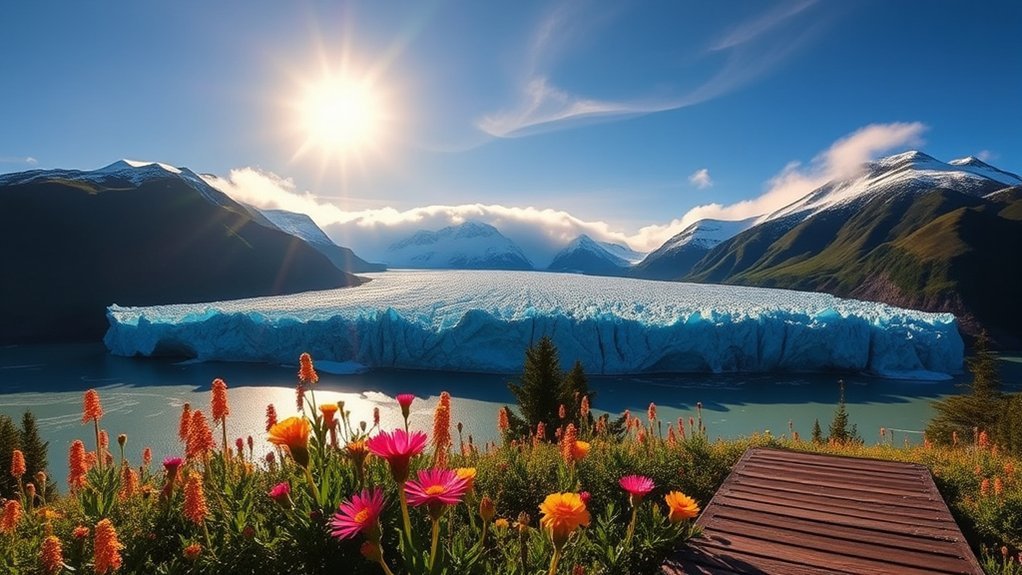
Photo Point is a short, popular walk with one of the classic views of Mendenhall Glacier and Mendenhall Lake. It is a smart choice if you have limited time or want a good glacier photo without a long hike.
Nugget Falls Trail
Nugget Falls Trail is one of the most rewarding short walks in the area. The Forest Service lists the trail as 0.8 miles long, beginning partway down Photo Point Trail and continuing along Mendenhall Lake to Nugget Falls. The route is low-gradient and gives you a close look at the waterfall with glacier and lake scenery nearby.
Steep Creek and Wildlife Viewing
Steep Creek can be a highlight in salmon season, when bears may feed in the area. Use designated viewing platforms, follow ranger instructions, never approach wildlife, and keep food packed away. The area is wild habitat, not a zoo, so sightings are never guaranteed.
The best Mendenhall visit is usually a simple one: visitor center, Photo Point, Nugget Falls, and enough time to slow down when the weather, light, or wildlife changes.
Guided Tours, Paddling, and Glacier Trekking
If you want to kayak or canoe on Mendenhall Lake, hike near the glacier edge, join a cycling tour, or take a helicopter glacier experience, use a permitted operator. The Forest Service maintains a list of permitted guided tour companies for the Mendenhall Glacier Recreation Area.
Tips for Exploring the Glacier
Start with the visitor center or Photo Point so you understand the landscape before heading farther out. Then choose one main trail or activity rather than trying to rush everything. For most first-time visitors, Photo Point plus Nugget Falls is the best balance of scenery, effort, and time.
| Essential Gear | Tips for Use | Why It’s Important |
|---|---|---|
| Layered Clothing | Choose moisture-wicking, non-cotton layers. | Keeps you warmer when rain, wind, or sweat cools you down. |
| Waterproof Footwear | Wear grippy shoes or hiking boots. | Helps prevent slips on wet paths, gravel, and muddy trail edges. |
| Rain Jacket | Pack it even if the forecast looks mild. | Juneau weather changes quickly, and staying dry keeps you comfortable. |
| Binoculars | Use them for bears, birds, mountain goats, and glacier details. | Lets you observe wildlife from a safe distance. |
| Water and Packed Snacks | Keep snacks sealed and eat only where allowed. | Supports energy while respecting food rules in bear habitat. |
Pro Tip: On busy cruise days, walk to Nugget Falls first if the weather is clear, then visit the exhibits after. The lake and waterfall views are often the highlight, and indoor time is easier to save for rain.
Food, Bears, and Wildlife Rules
The Forest Service has strict food rules around the Mendenhall Glacier Visitor Center area because food can attract bears and other wildlife. There are no food concessions, vending machines, or lockers on site, so plan ahead.
Do not eat on trails unless you are in a designated food area. Pack out everything you bring in, including wrappers, fruit peels, and crumbs. Give all wildlife plenty of space, stay on marked routes, and follow posted closures around Steep Creek or salmon habitat.
Safety Considerations and Guidelines
Mendenhall Glacier is accessible, but it is still a wild, changing environment. Stay on marked trails in the developed visitor area, keep children close near water, and never climb on icebergs, lake ice, or unstable glacier edges. Mendenhall Lake is cold, and wind can make conditions worse quickly.
If you are considering West Glacier Trail, glacier trekking, ice caves, or paddling close to the glacier, treat it as a serious backcountry activity. The Forest Service warns that leaving West Glacier Trail to access the glacier involves extremely rough and hazardous ground and is not recommended without backcountry experience, strong fitness, and enough time.
Warning: Do not enter ice caves or walk onto glacier ice on your own. Glacier ice shifts, caves collapse, streams cut through the ice, and safe routes can change without warning. Use a permitted guide with current local knowledge and proper equipment.
For everyday visitors, the safest plan is simple: use the visitor center area, Photo Point, Nugget Falls Trail, and designated wildlife-viewing platforms. Check posted signs, watch the weather, and turn around if trails become flooded, icy, or too muddy for your footwear.
Accessibility, Restrooms, and Visitor Comfort
The visitor center is accessible from the parking lots by stairs, elevators, and an easy ramp. Restrooms are available in the developed visitor center area, but access to some developed facilities may require a seasonal pass for visitors age 16 and older. If you plan to use the West Glacier Trailhead instead, note that Forest Service information lists no restroom facilities at that trailhead.
There is no restaurant at the visitor center, and food storage options are limited. Eat before you arrive, use designated food areas if needed, and keep your visit flexible in case rain, wind, bears, or trail work changes your plan.
Frequently Asked Questions
Are there any fees for visiting Mendenhall Glacier?
Yes, some areas require a pass during the main season. The Forest Service lists a $5 daily pass for visitors age 16 and older from May 1 through September 30 for the visitor center and certain developed areas. Visitors 15 and under are free, and several trails plus the parking area are listed as fee-exempt.
Can I bring my pet to Mendenhall Glacier?
Do not bring pets into the visitor center or bear-viewing areas such as Steep Creek. Trail rules can vary by area and season, so follow posted signs, keep dogs leashed where allowed, and avoid salmon streams, bears, and crowded viewing platforms. For the smoothest visit, many travelers leave pets at lodging.
Is there parking available at Mendenhall Glacier?
Yes. There are parking areas near the visitor center, and the Forest Service lists the parking area as fee-exempt. Parking can still fill during peak cruise and tour times, so arrive early or use a shuttle or tour if you are on a tight schedule.
Are guided tours offered at Mendenhall Glacier?
Yes. Permitted companies offer hiking, cycling, lake paddling, glacier trekking, and helicopter-based glacier experiences. Use a permitted operator for any activity that goes beyond the developed visitor area, especially glacier travel or paddling near ice.
What are the restroom facilities like at the glacier?
Restrooms are available in the developed visitor center area, but seasonal pass rules may apply to access. If you are using the West Glacier Trailhead instead of the main visitor center area, plan ahead because the Forest Service lists no restroom facilities there.
How long should I spend at Mendenhall Glacier?
Allow at least 1 hour for a quick visitor center and viewpoint stop. For the best first visit, plan 2–3 hours so you can see the exhibits, walk to Photo Point, and continue to Nugget Falls without rushing.
Can I walk on Mendenhall Glacier without a guide?
Casual visitors should not walk onto the glacier without a guide. Routes to glacier ice can involve rough terrain, changing conditions, unstable ice, hidden water channels, and serious fall hazards. Stay on developed trails unless you have the right experience, equipment, and current local guidance.
Sources
- USDA Forest Service: Mendenhall Glacier Visitor Center — visitor center hours, access, glacier description, wildlife, and facilities.
- USDA Forest Service: Mendenhall Fees and Passes — current pass prices, age exemptions, accepted federal passes, and fee-exempt areas.
- USDA Forest Service: Nugget Falls Trail — trail length, route description, and use details.
- USDA Forest Service: Getting to Mendenhall Glacier Visitor Center & Recreation Area — distance from downtown Juneau and transportation options.
- USDA Forest Service: Mendenhall Food Closure Area — food restrictions, lack of food concessions, and wildlife-safety guidance.
- Alaska Department of Fish and Game: Bear Viewing at Mendenhall Glacier — bear-viewing context and wildlife safety considerations.