

“Asian melon” is a loose label. In many stores it means oriental (Korean) melon—a crisp, sweet melon in the Cucumis melo Makuwa Group. In Korea it’s called chamoe. In Japan you may see it as makuwa-uri. The same label is also used for other melons grown across Asia, such as premium Japanese muskmelons and China’s Hami melons. Here’s how to tell them apart and use them well.
Key takeaways
- In many markets, “Asian melon” most often means oriental/Korean melon (Cucumis melo, Makuwa Group).
- Fresh melons are high in water and tend to be low in calories, so they’re an easy, hydrating snack.
- Yubari melons from Japan are a protected regional specialty (GI) and are famous for gift-giving.
- “Winter melon” is a wax gourd (Benincasa hispida) and is usually cooked, not eaten like dessert melon.
The different varieties of Asian melon
Korean (oriental) melon: chamoe
Often sold as “Korean melon,” chamoe is small and oval with yellow skin and pale stripes. It’s known for a crisp bite and gentle sweetness. Many people eat it chilled and sliced.
Japanese muskmelon: Yubari melon
Japan grows many muskmelons, but the Yubari melon (variety “Yubari King”) is a standout from Yubari City, Hokkaido. It’s registered as a Geographical Indication (GI) product. Official GI summaries describe orange flesh, a netted rind, and high sweetness that’s graded for gifting.
Chinese Hami melons
“Hami melon” is a group name for sweet melons from Xinjiang, China. Many are prized for a crisp texture and strong aroma. Some types are also chosen because they store and ship better.
Winter melon (wax gourd)
“Winter melon” shows up in many Asian recipes, but it isn’t a dessert melon. It’s a wax gourd (Benincasa hispida). It has a mild taste and soaks up flavors, which is why it works well in soups and braises.
The history and origins of Asian melon
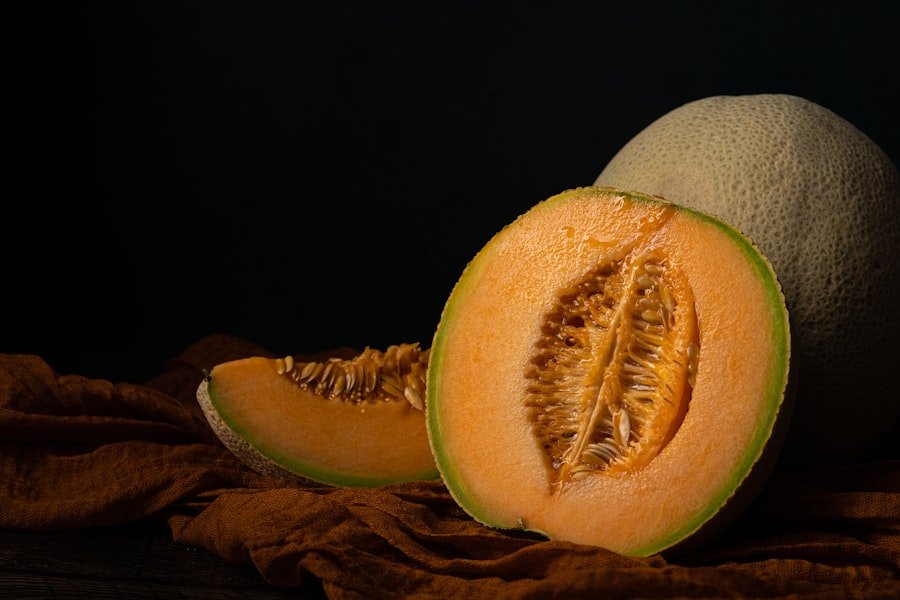
Melons in the species Cucumis melo have been grown for thousands of years. Scientists still debate where the plant was first domesticated. What’s clear is that it spread widely across Asia and developed into many local types.
Health benefits of Asian melon
Asian melons are best known for their taste and refreshment. They can also support a balanced diet:
- Hydration: Many melons are about 90% water.
- Vitamin C: Common dessert melons provide vitamin C, which supports normal immune function and skin health.
- Vitamin A (some types): Orange-fleshed muskmelons often provide more beta-carotene.
- Fiber: Melons add some fiber, which helps support regular digestion.
- Snack-friendly: Fresh fruit is generally lower in calories than many packaged sweets.
How to select and store Asian melon
Pick a melon that feels heavy for its size and has an even, unbroken rind. For fragrant types, a sweet smell at the blossom end can signal ripeness. Once cut, store it sealed in the fridge and eat within a few days for the best crunch.
Whole winter melon (wax gourd) is different: mature fruit develops a waxy coating and can last for months in a cool, dry spot.
Culinary uses of Asian melon
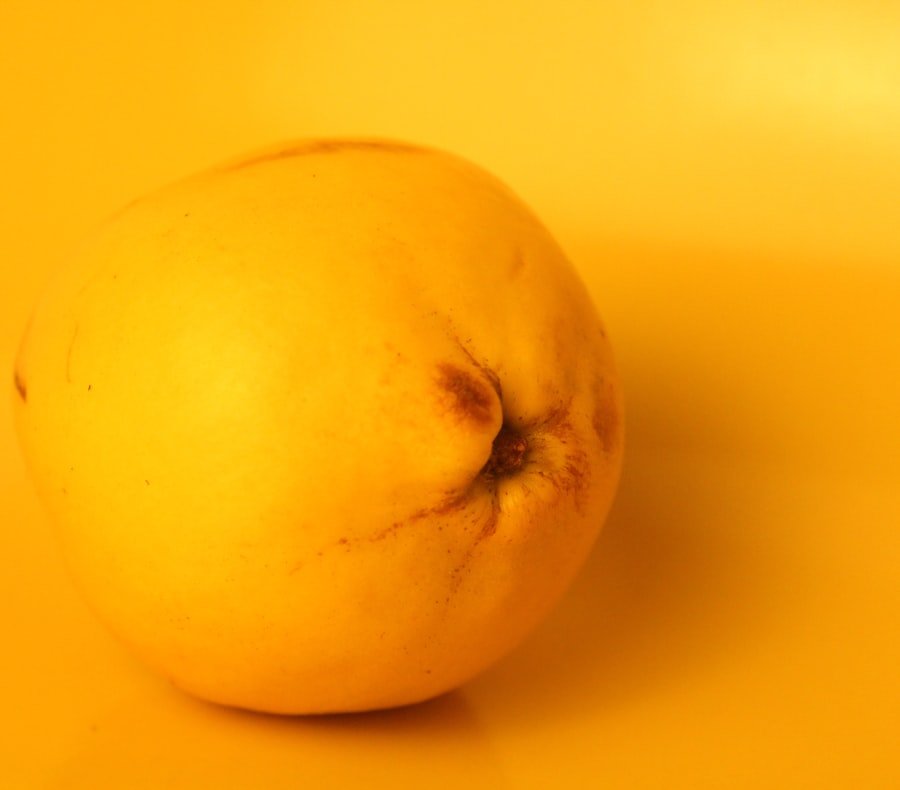
Most “Asian melons” are best fresh. Slice them for snacks, fruit salads, and chilled desserts. Crisp oriental melon also pairs well with salty foods because it refreshes the palate.
Winter melon (wax gourd) is usually cooked. It’s often simmered in soup, braised, or added to stir-fries, where it takes on the flavor of the broth or sauce.
Asian melon in traditional medicine
In several Asian traditions, melons and gourds are also used in folk and traditional medicine. For example, wax gourd has a long history of use in Traditional Chinese Medicine, and oriental melon appears in some traditional Korean medicine references. These uses are part of cultural practice and don’t replace medical care.
Growing Asian melon at home
Oriental melon and other Cucumis melo types like warm weather, full sun, and well-drained soil. Water regularly, but don’t let the soil stay soggy. A trellis can help keep fruit clean and reduce rot. Harvest when the rind color is fully developed and the fruit gives slightly at the ends.
Asian melon in Asian culture and cuisine
In Korea, chamoe is a classic summer fruit, often eaten chilled. In Japan, premium muskmelons—especially Yubari melons—are often given as gifts, and strict grading supports that tradition.
Fun facts about Asian melon
- Japan’s Yubari melons are a registered GI product; official summaries describe “Yubari King” melons with sweetness of 10° Brix or more.
- The Korean government has noted that “Korean melon” was standardized internationally by the Codex Alimentarius Commission in 2016.
- Missouri Botanical Garden notes that mature winter melons often weigh about 5–20 lb, but can grow much larger in ideal conditions.
Exploring Asian melon in different Asian countries
In Korea, oriental melon is common as fresh fruit and also in preserved side dishes. In Japan, muskmelon growing often focuses on looks and sweetness for gifting. In China, Hami-type melons are popular in season, while winter melon is cooked year-round in soups and braises.
FAQs
What is an Asian melon?
It’s a broad label used for several melons popular in Asian cuisines. In many markets, it most often refers to oriental/Korean melon (Cucumis melo, Makuwa Group).
What does an oriental (Korean) melon look and taste like?
It’s usually small, oval, and yellow with pale stripes. The flesh is crisp and mildly sweet.
Is winter melon the same as honeydew?
No. Honeydew is a sweet dessert melon in the species Cucumis melo. Winter melon is a wax gourd (Benincasa hispida) that’s usually cooked.
How do you eat Asian melon?
Oriental/Korean melon and many other dessert melons are eaten fresh, chilled, and sliced. Winter melon is typically cooked in soups, braises, and stir-fries.
How do you select a ripe melon?
Choose fruit that feels heavy for its size and has an even rind. For fragrant types, a sweet smell at the blossom end can help.
How do you store Asian melon?
Store whole dessert melons at room temperature until ripe, then refrigerate. Once cut, refrigerate sealed and eat within a few days. Whole winter melon keeps much longer when stored cool and dry.

24 thoughts on “Asian Melon: Varieties, Benefits, and Uses”